Unlock the secret behind the popularity of wearing gym clothes outside the gym
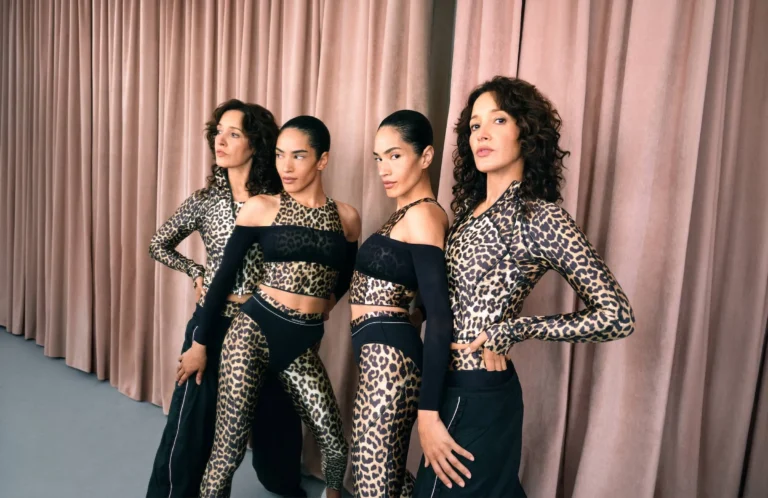
If you’ve stepped outside lately, you’ve probably noticed gym clothes turning up in places they were never meant to be. Once confined to spin classes and weight rooms, gym clothes are now turning into part of Britain’s everyday uniform.
What started out as kit designed to get sweaty has quietly muscled its way into school runs, supermarket queues, office Zoom calls and even the odd dinner reservation. And really, who’s shocked? Pull on a well-cut hoodie or a pair of leggings that actually fit and you quickly realise how much regular clothing has been getting away with.
According to the research from R3 Sport, a sports and entertainment group, more than a quarter of UK adults – 26% to be precise – now wear their workout gear even when they’re not exercising. Around one in three people (33 per cent) say they’ve been reaching for activewear more often over the past couple of years, even on days when the closest they get to a gym is driving past it.
Comfort Is King – And Everyone Knows It

The main driver behind the shift is brutally simple: comfort. Nearly three-quarters of respondents – seventy-three percent – said the appeal of this kind of clothing is all about how it feels. Stretchy, breathable fabrics that move with you instead of digging in, rubbing, or reminding you of every mince pie you’ve ever eaten.
Once you’ve lived in clothes that feel like a second skin, stiff waistbands and scratchy seams start to feel like a punishment rather than a dress code.
But it isn’t just about feeling cosy. Over a third (35%) of people say gym wear suits their lifestyle better. Think about it: you’re working from home, bouncing between online meetings, walking the dog, picking up groceries and trying to remember which child needs to be where. One outfit that can handle all of that suddenly looks like the only sensible option.
Working from home has poured fuel on the fire. Almost a quarter of those surveyed – 23 per cent – admit that ditching the daily commute has totally changed the way they dress. If you don’t have to endure a packed train or sit in a boardroom, the urge to squeeze into formal trousers disappears pretty fast.
And then there’s style. More than a third of people (34%) now think gym clothes are flat-out more fashionable than a lot of their so-called “proper” clothing. With modern cuts, better fabrics and more brands in the game, activewear has moved a long way from saggy grey joggers and faded cotton tees.
Why Britain Is Living in Gym Gear
R3 Sport’s research breaks down exactly why so many people are spending more of their lives in performance fabrics. To make it easy, here’s a snapshot:
| Reason for wearing gym clothes more often | Share who agree |
|---|---|
| 🏋️♀️ They are more comfortable | 73% |
| 👟 They suit my lifestyle better | 35% |
| 🧘♀️ They are more fashionable | 34% |
| 🖥️ I work from home, so I don’t need formal wear | 23% |
| 🎨 There’s more variety than regular clothes | 17% |
| ⏱️ Started during COVID and stuck with it | 12% |
| 👀 Other people are doing it, so why not? | 6% |
| ✳️ Other | 1% |
It paints a pretty clear picture: comfort leads the charge, but lifestyle, fashion and sheer practicality are right behind it.
The Gym Without the Guilt (Or the Workout)
The research also uncovers some frankly entertaining habits inside the gym itself. Just over one in five people – 22% – say they regularly go to the gym to work out. Among that group, though, more than a quarter (28 per cent) confess they sometimes turn up in full kit with no actual plan to exercise.
They get all the visual credibility of being “gym types” without so much as a warm-up. It’s the fitness equivalent of owning a sports car and never taking it out of third gear.
Then you’ve got the efficiency squad. Roughly two in five regular gym goers (40%) roll in and out wearing exactly the same clothes, skipping the locker-room costume change entirely. On the other side, 32% still follow the traditional routine of changing when they arrive and changing again before they leave, with a further 27 per cent saying they “usually” do the same.
But if your gym clothes look good enough to pass in public and feel good enough to live in, the urge to change quickly starts to evaporate.
From One-Hour Outfit to Daily Uniform
The report also shows just how long people stay in their gym clothes beyond the actual workout. Nearly half – 44% – wear them for up to an hour before or after a session. Another chunk, 29 per cent, stay in their kit for between one and two hours, while 15% keep theirs on for two to three hours.
At that point, it’s less “gym outfit” and more “daywear that happens to survive burpees”.
Crucially, this isn’t some short-lived post-pandemic quirk. Around eleven percent of UK adults expect to lean on gym wear even more in the next couple of years. Just over half (54%) don’t see their habits changing at all—they’re already fully signed up to the athleisure lifestyle. Another 14 per cent say they’ll see which way fashion trends go, but the momentum is clearly with comfort and practicality.
“No Longer Reserved for the Treadmill”
As Jonathan Rowland, co-founder and chairman of R3 Sport, puts it: “Be it on the school run, at work, or even out for dinner, activewear as everyday wear is becoming increasingly popular.
Our research shows that gym wear is no longer reserved for the treadmill as more people consider their gym clothes part of their everyday wardrobe.”
He’s right. Modern activewear isn’t just about chasing personal bests. It’s about clothes that work with real life—sitting, stretching, sprinting for the bus, hauling shopping bags, or collapsing on the sofa without having to unbutton anything.
With a huge variety of colours, fabrics and designs, it’s never been easier to find gym clothes that you can wear to brunch, the gym and back home again without feeling underdressed or overdressed.