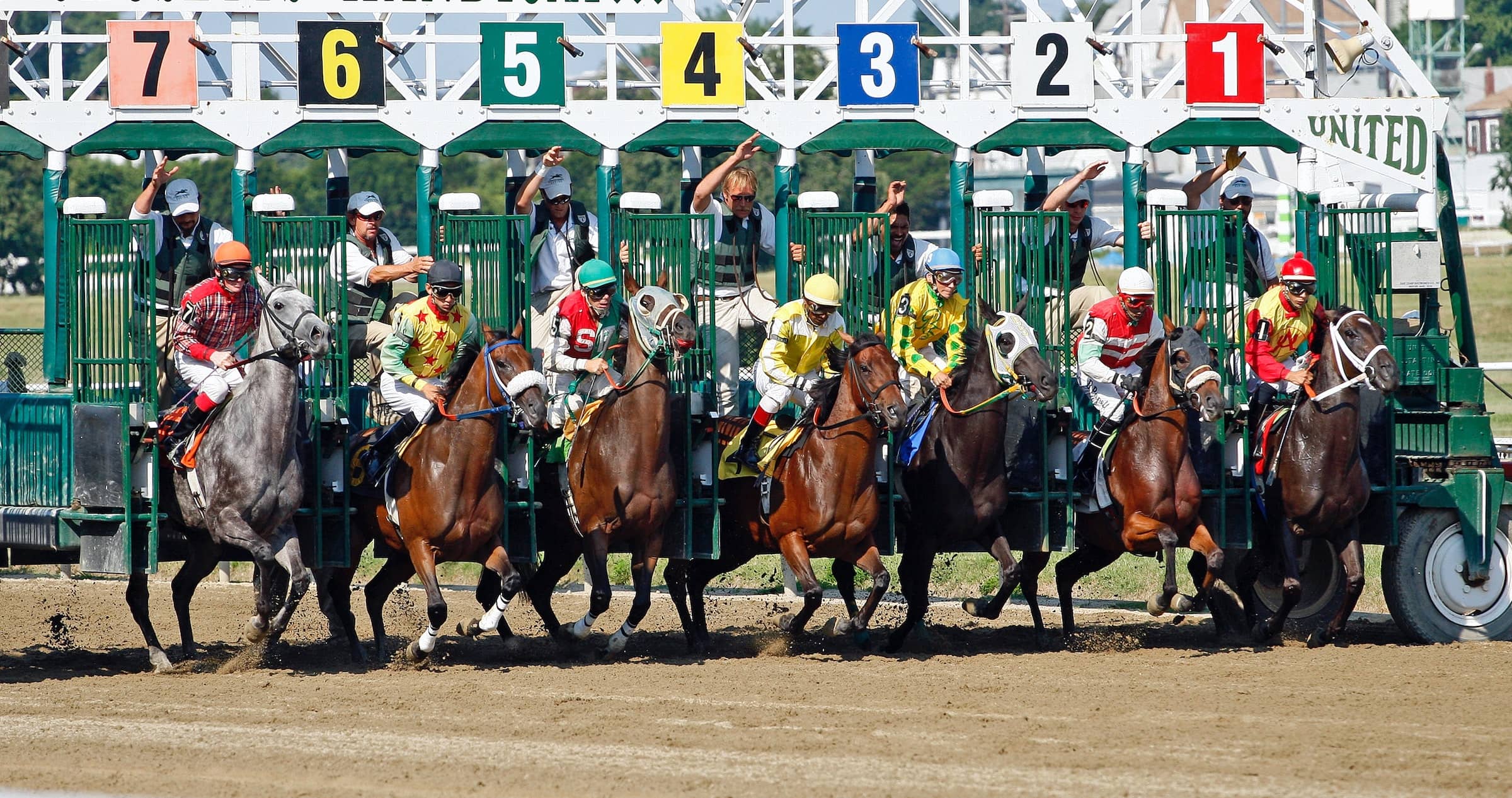
The 2025 Saratoga Derby promises elite turf competition with Minaret Station and Test Score emerging as early frontrunners.
The summer meet at Saratoga Race Course brings a different energy every year, but few races stir up the turf crowd like the Saratoga Derby Invitational Stakes. Set for August 2nd, this Grade 1 event continues to evolve into a vital test for elite three-year-old turf runners.
As part of the New York Racing Association’s Turf Triple series, it bridges domestic talent and rising international contenders on one of the most historic tracks in the country. With $750,000 on the line and growing global attention, the Saratoga Derby is more than a midseason race. It is a proving ground.
A Look at This Year’s Top Contenders
The Saratoga Derby field is beginning to take shape, and two standout names are already separating from the pack.
Minaret Station
Minaret Station enters the conversation with serious momentum. Owned by OXO Equine, this runner impressed at Churchill Downs with a commanding win in the American Derby. The performance wasn’t just a victory; it was a declaration.
That race’s pace scenario, combined with how Minaret Station finished through the lane, has many analysts pegging him as a legitimate Saratoga Derby threat. His camp has confirmed intentions to ship north, and the timing lines up perfectly with a well-managed two-race summer campaign.
Test Score
Another name drawing attention is Test Score, who turned heads with a sharp win in the Belmont Derby. Owned by Amerman Racing, this colt earned a 90 Beyer Speed Figure, a number that positions him squarely within the upper echelon of the division.
His late kick over firm ground at Aqueduct suggests he can handle Saratoga’s layout and expected turf conditions. Trainer Graham Motion remains confident in his progress and noted that the Saratoga Derby has been part of the long-range plan since spring.
Recent Prep Races Shape the Narrative
The Saratoga Derby does not stand alone. It is the second leg in NYRA’s Turf Triple, following the Belmont Derby and preceding the Jockey Club Derby. That structure creates a natural rhythm for three-year-olds stepping into tougher spots.
Horses that pass the Belmont test often circle the Saratoga Derby as a continuation. Meanwhile, others bypass Belmont entirely, saving their best effort for Saratoga’s unique 1 3/16 mile configuration.
Pace dynamics at Saratoga often differ from those in New York City tracks. The longer stretch and wide turns give deeper closers a chance to wind up late.
That means horses who ran out of room at Belmont or who faced traffic issues might rebound sharply. It also emphasises jockey tactics. Riders with Saratoga experience tend to navigate the course more confidently, especially on turf.
The American Derby at Churchill is another prep worth watching. Its tighter turns and shorter stretch contrast with Saratoga’s layout, but winning form there often translates.
Several horses who hit the board in Louisville are now being pointed toward August. That includes turf routers who were lightly raced in the spring and are peaking as the season hits its stride. These preceding races will play a key role in shaping early Saratoga Derby picks, especially for those looking beyond just the top two favorites.
Saratoga’s Track Plays a Key Role
Turf racing at Saratoga is different. The configuration, footing, and even the atmosphere affect how horses respond. Some thrive under the grandstand’s shadow and the track’s rolling nature. Others struggle with the tight inside paths and longer backside. Over the years, certain trainers have developed clear patterns with turf specialists. Understanding those tendencies will be essential for fans following the Saratoga Derby.
The rail positions can dramatically alter how the race unfolds. When the inner rail is set wide, early speed becomes more dangerous. With tighter rail settings, closers often find success storming down the middle of the stretch. Bettors will be watching morning turf reports closely to adjust expectations. Saratoga’s turf is well-managed, but weather can shift the bias quickly, particularly in August’s unpredictable patterns.
Many of the top jockeys from New York and Kentucky circuits migrate to Saratoga for the season. Familiarity with the course becomes a deciding edge when races stack up evenly on paper. That’s especially true for mid-distance turf races like this one.
Strategic Position in the Summer Racing Calendar
The Saratoga Derby is perfectly timed between the Belmont Derby and other late-season Grade 1s. It avoids direct clashes with older turf horses while giving rising three-year-olds a clear seasonal path. Horses who perform well in this race often stretch out to 12 furlongs in the fall or take on open company before year’s end. It is both a destination and a springboard.
The race also impacts Eclipse Award conversations. While turf categories often skew toward older horses or fillies, a dominant win here can sway voters if a colt follows with another top-level score. That makes the Saratoga Derby more than a purse opportunity. It’s a branding event for future stallions. Bloodstock agents and syndicate owners pay attention to how these horses carry themselves at the Spa.
International attention has also increased. With recent entries from France, Ireland, and the UK, the race’s reputation as a globally relevant event continues to grow. Winning here adds prestige beyond the purse. It can boost a colt’s value both in North American stud books and on the global market. That dynamic has led to greater diversity in entries and more complex form handicapping.
Building Toward a Memorable Afternoon
The August 2nd card will feature multiple stakes races, strong handle, and a packed grandstand. That setting adds intensity to an already meaningful race.
For owners and trainers, it’s a high-visibility opportunity. For fans, it’s a chance to see the future stars of turf racing battle in one of America’s most scenic racing environments.