Garmin Connect 2025 Data Report reveals rising racket sports, more steps, better sleep and how athletes actually train.
Garmin has released its 2025 global data report, and it reads like the clubhouse noticeboard after a particularly lively season: some heroes, some horror shows and a few people you’re amazed are still upright. Garmin Connect has basically taken the world’s collective sweat, sleep and step counts, shoved them under a bright light, and asked: “So then… what exactly have you been doing all year?”
The answer? More than last year, but not always how you’d expect.
The World Starts Moving (Properly, This Time)
First, the headline: Garmin users logged 8% more activities than in 2024. That’s not a polite incline; that’s the difference between “I really should get moving” and “I now own three pairs of compression socks and know my VO₂ max.”
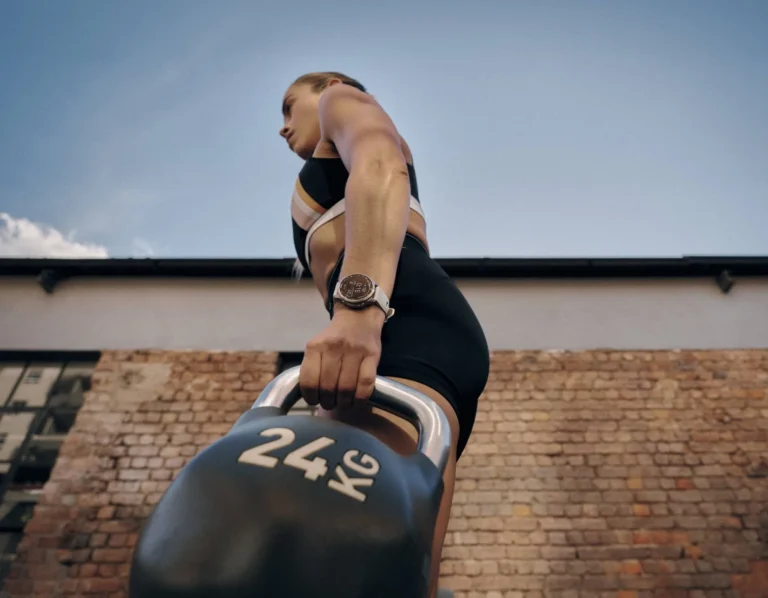
The biggest winner? Anything involving a racket. Racket sports exploded by 67%, which suggests a lot of people either rediscovered tennis or got seduced by pickleball, that oddly addictive hybrid that looks like tennis after a midlife crisis. Pilates sessions jumped 46%, HIIT climbed 45%, and strength training went up 29% — proof that more people are actually picking up the weights instead of just glaring at them from the treadmill.
For the masochists indoors, indoor running and diving both climbed 16%, while hiking — nature’s version of therapy, but with blisters — rose 12%.
That spike in activity mirrors how some athletes are living day to day.
“I live a very active lifestyle, from long days surfing to runs and strength work in the gym. Being able to track my recovery, HRV, and overall performance in one place helps me make smarter decisions, stay consistent, and train with real purpose.”
–Brianna Cope, Garmin ambassador
Brianna’s not just scrolling graphs for fun — she’s a walking example of what this data set is really about: effort backed by information, not guesswork.
Stress, Sleep and the Illusion of Coping
Then there’s stress — the invisible workout nobody asked for. Women recorded lower average stress scores than men, which checks out if you’ve ever watched a bloke catastrophise over a mildly delayed train.
Geographically, Indonesia topped the stress charts, while the Netherlands sauntered in with the lowest scores, presumably powered by bikes, canals and a national ability to stay unbothered.
Sleep did inch in the right direction. Garmin users managed to get nearly 1% better sleep, with an average sleep score of 71. Not exactly monk-like serenity, but at least some people are putting their phones down before the third doom-scroll.
This is where Garmin Connect becomes more than a glorified stopwatch.
“Garmin Connect is an organised person’s dream. It makes tracking and comparing my performance over time incredibly simple thanks to its clean colour-coded categories and easy-to-read charts. I can instantly spot trends across a week, a month, six months, or even a full year. So, when it’s time to reassess my training, Garmin Connect shows me exactly where I need to dial in my sleep, recovery, and overall workload.”
–Lauren Kalil, Garmin ambassador
Lauren’s the type who doesn’t just feel tired — she can prove it with charts. And that’s the whole point: spotting patterns before your body sends the invoice.
Body Battery, Steps and Who’s Really Earning Their Dinner
Garmin’s Body Battery™ scores read like a live feed of who’s coping best with modern life.
- 18–29-year-olds averaged a Body Battery of 75
- 40–49-year-olds averaged 70
- 70+ users came in at 64
Youth still has the obvious advantage, but the older group clearly isn’t going quietly. Portugal posted the highest average Body Battery levels, while Japan sat on the lower end — maybe proving there’s only so much you can squeeze into a 24-hour day.
Daily movement stepped up too. On average, Garmin users took more steps per day than in 2024, but Hong Kong absolutely stole the show with more than 10,000 steps per day. When your city is built vertically, your calves don’t get a day off.
Activity trends by age tell their own story:
- 18–29-year-olds did the most outdoor running
- 50–59-year-olds owned the indoor cycling leaderboard
- 70+ users played the most golf
So yes, the older crowd might not be sprinting as much — but they are spending more time on the fairways than anyone else, which frankly sounds like winning.
Training, Recovery and the Hard Reset After Real Life
For some athletes, the story isn’t just about doing more — it’s about coming back differently.
“Since coming back to training and racing after having my daughter, I’ve really had to readjust my expectations for training and recovery. Using resting heart rate and HRV trends in the Garmin Connect app has been a huge help to me as I’ve recalibrated what’s normal for me right now. The data helps me know if we are getting the training and recovery load right, or if we need to back down.”
–Skye Moench, Garmin-sponsored triathlete
That’s where Garmin Connect earns its keep: it nudges you away from the hero complex and toward something more sustainable. Less “no days off,” more “no, really, take the day off.”
Your Year, Served Back With Receipts
This year, Garmin Connect+ users get a little extra honesty in the form of the Garmin Connect Rundown — a personalised highlight reel inside the app. It pulls together:
- Health and performance trends
- Total steps
- Average sleep score
- Totals for each activity type and more
It’s the annual review you didn’t ask for but secretly need. For some, it’ll be a victory lap. For others, a polite slap on the wrist. Click here to read the entire report.
Watches Built For Real Life, Not Just Race Day
On the hardware side, Garmin’s latest smartwatches — including the Venu® 4 and fēnix® 8 Pro — are loaded with health and fitness features and sync seamlessly to Garmin Connect. They track your training, recovery, challenges and everyday chaos, whether you’re chasing a new PB, training for your first event, or just trying to feel vaguely human by Friday.
Engineered on the inside for life on the outside, Garmin’s products have quietly rewritten how runners, cyclists, swimmers and everyday athletes of all levels go about their business.
The mission hasn’t changed: build tech that helps people stay active, sharpen performance, and, one way or another, beat yesterday — even when yesterday wasn’t exactly a masterpiece.