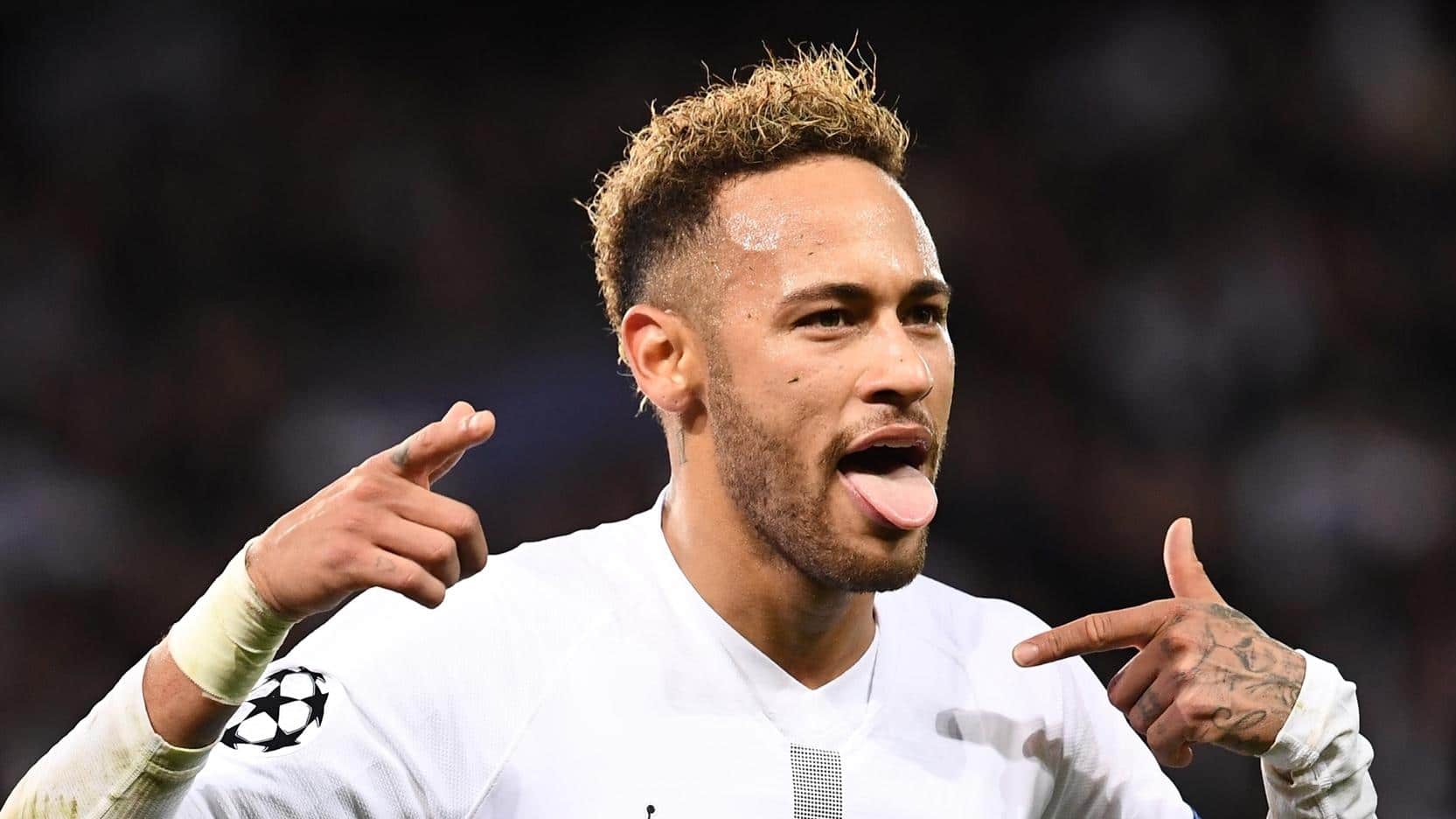
As the UEFA Futsal Champions League resumes, we hear from a series of top stars whose love for the indoor game shines bright.
Futsal has never needed much room to make a racket. Give it a hard court, a smaller ball, five players a side and a patch of space about as forgiving as a rush-hour Tube carriage, and it somehow produces the sort of football education money cannot easily buy.
Long before modern football became a rolling laboratory of data, pressing maps and sports science acronyms, futsal was already teaching the basics that separate the great from the merely busy: first touch, quick thought, close control, balance, disguise and the priceless ability to solve a problem before a defender has finished causing it.
The UEFA Futsal Champions League gives the indoor game its grandest European club stage, but the sport’s real reach is written across football history. Lionel Messi, Cristiano Ronaldo, Neymar, Xavi, Ronaldo Nazário, Dani Alves and a long list of others have all credited futsal with sharpening the instincts that later made them look as if they were playing 11-a-side football with a private instruction manual.
The Small Court With A Big Football Brain
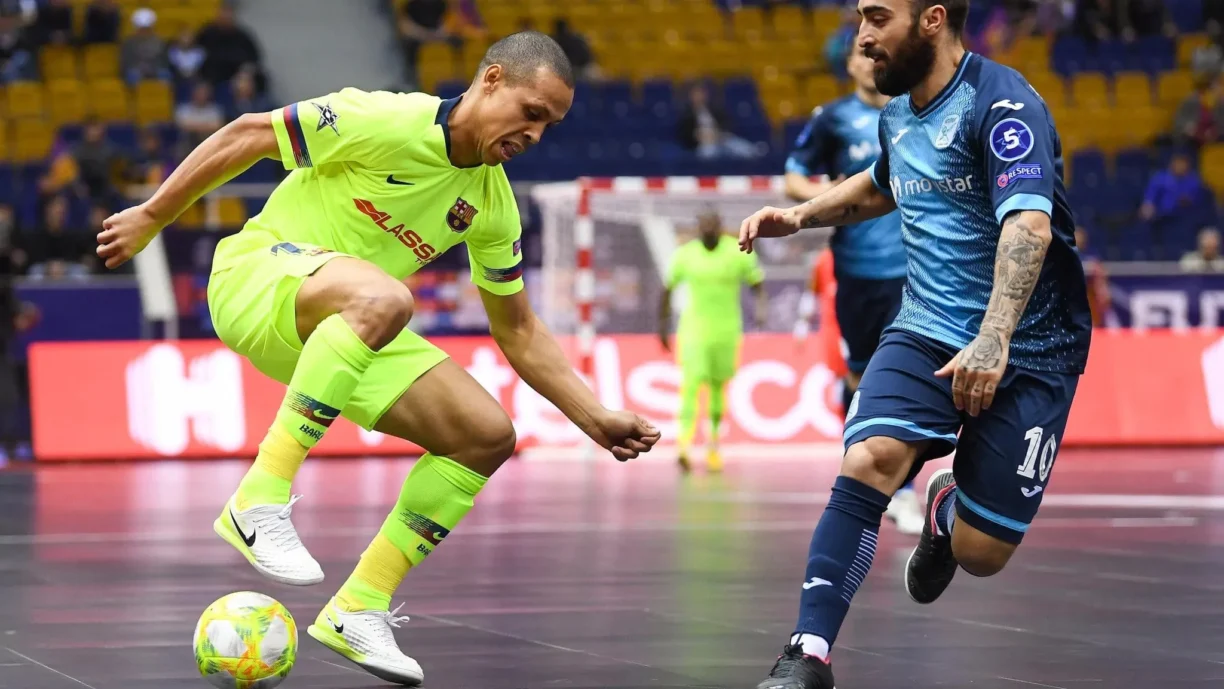
Futsal is not simply football squeezed into a sports hall. That would be like calling a violin a small cello and expecting applause.
The game has its own rhythm. The ball arrives quickly, the pressure comes instantly, and the walls — literal or tactical — close in fast. There is less grass, less time and far less opportunity to hide.
That is why coaches love it. Futsal forces players to scan, decide and execute in a blink. Poor touch gets punished. Lazy movement gets exposed. Slow thinking looks like a man trying to post a sofa through a letterbox.
For young players, especially, it is a finishing school in the truest sense. Not finishing as in simply scoring, but finishing actions properly: controlling, turning, passing, receiving, evading, combining and creating.
Why The World’s Best Keep Coming Back To It
The roll call of futsal admirers reads like somebody spilled Ballon d’Or nominations across a gym floor.
Messi found freedom in it. Ronaldo learned close control from it. Neymar calls it one of his passions. Xavi sees it as a clearer test of pure football talent than the full-size game.
That is no accident. Futsal removes many of football’s hiding places. It strips the sport down to nerve, feet and imagination.
In 11-a-side football, an athlete can occasionally survive on pace, strength or a forgiving tactical structure. In futsal, every touch is under interrogation. The ball is never far away. Neither is trouble.
Andrey Arshavin On Goals, Tricks And Tight Spaces
Andrey Arshavin, the retired Russia international, remembers futsal as both a spectacle and a school. “I used to play futsal myself at university and in the St Petersburg championship, so I am interested. I like the fact more goals are scored than in 11-a-side football. I also like it when players perform unconventional tricks.
“I came through the Smena Football Academy, and during the long winter months the academy’s two halls with wooden floors were our home.
We had futsal tournaments and I always liked to play because, as there are fewer players in futsal, there were more goals and dribbling opportunities. I liked it a lot. But whenever you play on the street or in the yard, and there isn’t much space, that’s like futsal too.”
That last line matters. Futsal is organised, yes, but its soul is street football with better lighting. It belongs to tight corners, quick feet and players who see a crowd as an invitation rather than a warning.
Dani Alves On Futsal As A Thinking Game
Daniel Alves, the Brazil international, sees futsal as much more than technical training. “I had the pleasure of playing futsal at school, and what futsal gives you is intelligence; it’s a thinking game. Why? Because you have a small space where man-marking is intense, you have to be intelligent and be very quick in your thinking and your movements.
“I think that normally if somebody is successful in futsal, he can be successful in football as well, because you’ll find yourself with more free space to play and with more possibilities to choose from. People who are intelligent in football have a tenfold advantage over everyone else.”
There it is: intelligence. The great separator.
Modern football is often discussed in terms of systems, shapes and phases. Futsal teaches the bit that comes before all that — the player’s ability to think under personal pressure, when the pass is closing, the marker is biting and panic is tapping him on the shoulder.
Brazil’s Futsal Factory
Bebeto, the retired Brazil international, explains why futsal has long been woven into Brazilian football culture. “Futsal is played in a small space, right? You learn agility, ability, quick thinking – futsal gives you all of that. I played futsal and football together, and that improved my skills and my ability to think and decide quickly. Futsal is good for that.
It gives you a great skill base, quick thinking and acceleration in the tight spaces. That’s why here in Brazil we always start with futsal before going on to the pitch. This is very important without a doubt.”
That Brazilian relationship with futsal is not romantic nostalgia. It is practical. The court gives young players touches by the bucketful. It makes the technique non-negotiable. It turns tight-space problem-solving into muscle memory.
The Players Who Nearly Chose Futsal
Steven Berghuis, the Netherlands international, is unusually blunt about how close the indoor game came to being his main footballing path. “If I hadn’t become a football player I would have become a futsal player. I played a lot when I was younger until I became a professional and couldn’t fit them both in anymore. I would have been a futsal player in the amateur leagues.”
That is the pull of futsal. For some players, it is not merely a childhood training tool. It is a parallel football universe — one with its own craft, culture and specialists.
Douglas Costa On Escaping Pressure
Douglas Costa, Brazilian international, links futsal directly to the skills he carries into the full-size game. “I started playing aged ten and stopped at 15, but it helped my development – especially trying to get out of small spaces when you are man-marked and with no time to spare,” he says.
“Doing everything quickly, that’s what I try to do on the field today, that’s what I learned from futsal. The way you have to move in futsal also impresses me.”
That phrase — “no time to spare” — could be printed on a futsal business card.
Hulk On Control And Speed Of Thought
Hulk, the Brazil international, points to ball control, agility and tactical awareness as major benefits. “I played some futsal when I was [young]. Anyone who plays futsal a lot will end up showing what they have learned on the football pitch too. There are some tactical moves in futsal which are much more difficult to break out from, but when you have some experience in futsal it ends up being easier.
“I think the fans love futsal because of the smaller pitch, you’re closer to goal although the goal is a bit smaller, but I think that it’s the number of goals that makes the fans enthusiastic.
[Playing futsal, I learned] control of the ball, the way you dominate the ball. In futsal the ball always comes faster, it has more speed, and you have to have more agility to be able to immediately break out of a play or marking, so that helps a lot on the [football]
It is not difficult to see the connection. A player used to receiving the ball in a phone box tends to look rather comfortable when given a full pitch.
Messi, Neymar And Ronaldo: Futsal’s Holy Trinity Of Endorsements
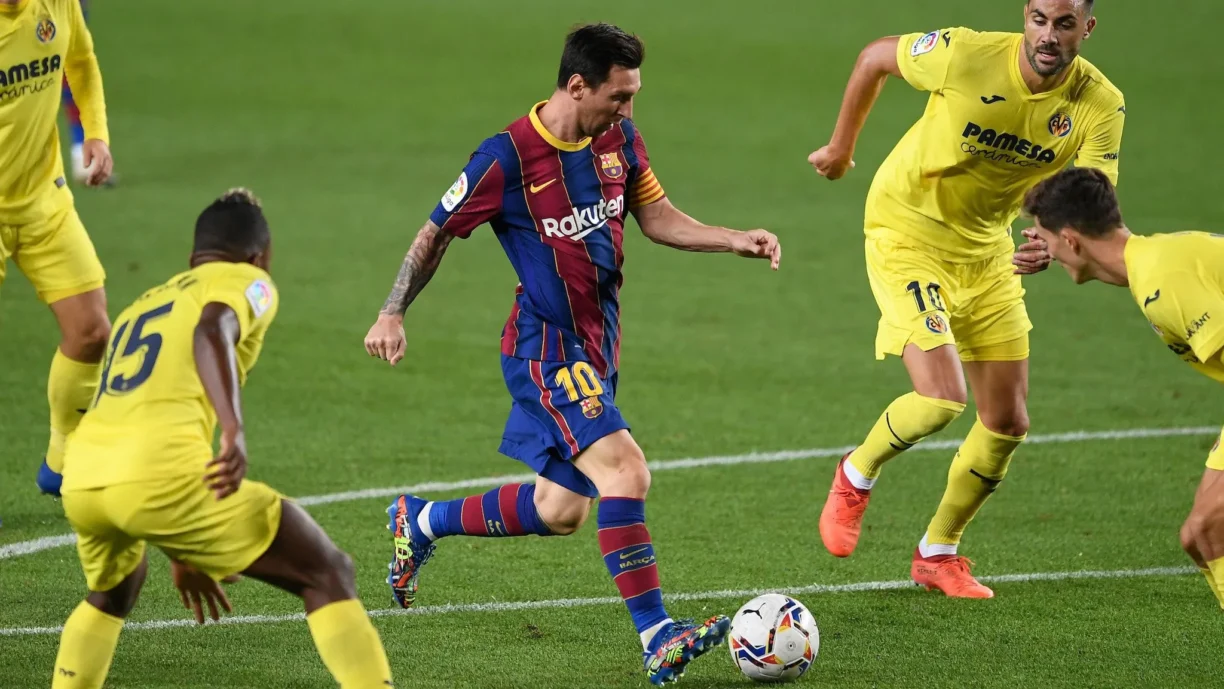
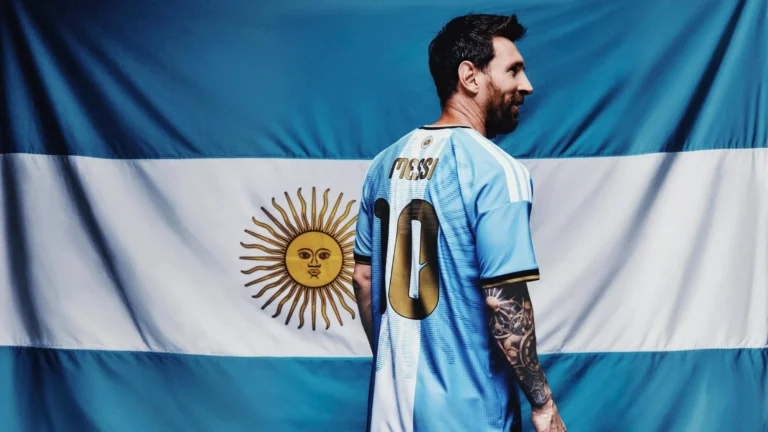
Lionel Messi’s tribute to futsal is short, but it carries the weight of a left foot that has ruined more defensive meetings than any coach would care to remember. “As a little boy in Argentina, I played futsal on the streets and for my club. It was tremendous fun, and it really helped me become who I am today.”
Neymar Jr, the Brazil international, speaks with similar affection.
Then there is Ronaldo, the retired Brazil international, who makes the case in one wonderfully direct sentence. “I needed extremely good feet, because you’re always attempting to beat opponents in the minimum of space. I loved the challenge of playing on such a small pitch.”
Cristiano Ronaldo, the Portugal international, gives futsal one of its strongest endorsements. “During my childhood in Portugal, all we played was futsal. The small playing area helped me improve my close control, and whenever I played futsal, I felt free. If it wasn’t for futsal, I wouldn’t be the player I am today.”
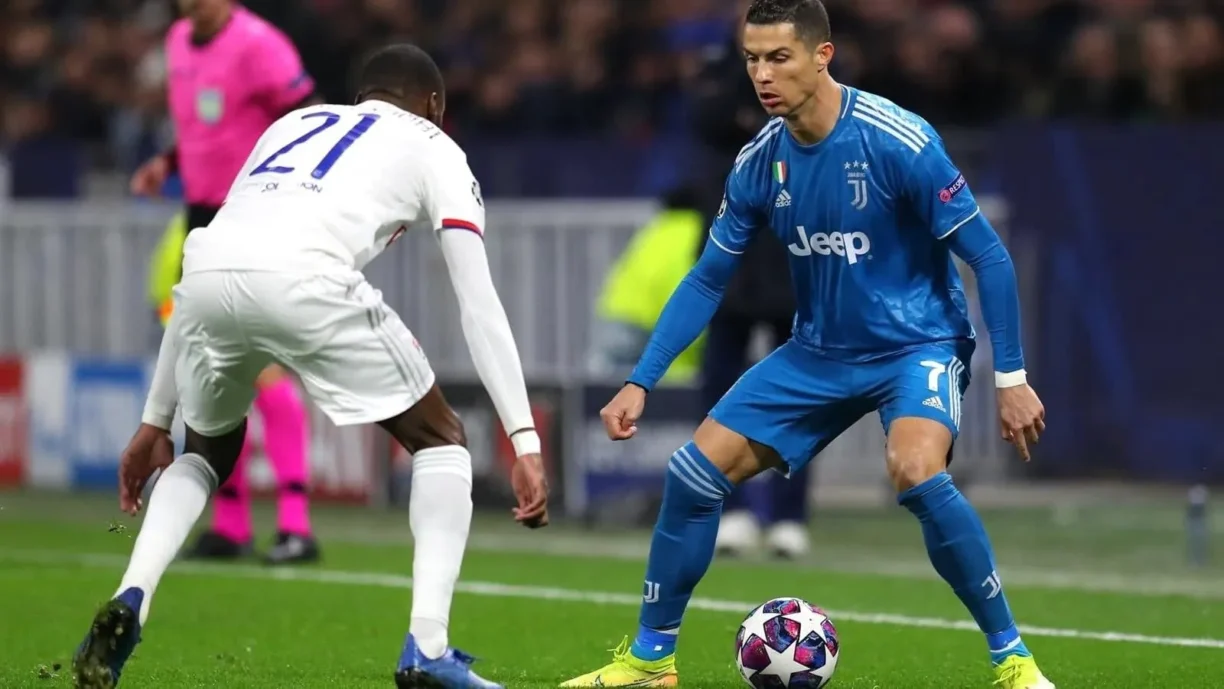
There are few better advertisements for a youth development method than Messi, Neymar and both Ronaldos nodding in the same direction.
Why Futsal Builds Modern Footballers
Football has become tighter. Defensive units are more organised. Pressing is more coordinated. Midfielders receive with traffic around them. Wingers are doubled up on. Full-backs are asked to play like No 10s and defend like nightclub bouncers.
In that environment, futsal’s lessons feel more relevant than ever.
It teaches:
Close control under pressure.
Fast decision-making.
Body shape when receiving.
Creativity in confined spaces.
One-v-one confidence.
Combination play.
Composure near goal.
The player who grows up in futsal learns that a defender is not the end of an attack. He is often the beginning of the trick.
Seedorf, Stanković And Xavi On Talent You Can Actually See
Clarence Seedorf, the retired Netherlands international, highlights the technical clarity futsal provides. “It played a role in my youth – we were almost obliged to play futsal, because it helps you think faster, it helps you with ball control, it helps you playing in small spaces. In Brazil, it is the most normal thing in the world, everybody plays it, and that’s why they have the elevated individual technical skills.”
Dejan Stanković, the retired Serbia international, goes further, describing the very best futsal players as masters of the ball.
“When I look back at my own football career, I can honestly say it started with futsal, though at the time it was simply street football or football in the school playground.
“I’ve also been lucky enough to come up against leading futsal players in Serbia and Italy, and they are truly football masters – grandmasters, even. If you want to be a great futsal player, you have to know how to use the ball in a confined space sometimes the size of a coin. The action is often amazing and tends to produce brilliant goals.”
Xavi, the retired Spain international, offers perhaps the cleanest scouting argument for futsal. “In futsal, you see whether a player is really talented. In normal football you don’t necessarily identify talent as easily because it’s so much more physical. But with futsal, you notice the small details in quality, class and tactical understanding.”
That is the heart of it. Futsal reveals the little things. The pause before the pass. The disguised touch. The half-turn. The ability to receive with pressure coming from the blind side. The mind behind the boots.
Willian And Witsel On The Technical Foundation
Willian, the Brazilian international, says futsal was a major part of his development. “I played growing up in my city in Brazil. It was very important for me. You have to do things quickly and think quickly, so everything is fast, and it helped a lot when I went to play football.
“Not only me, but a lot of players growing up in Brazil started in futsal before playing football. There are a lot of players in Brazil now who like to play futsal. Falcao, who is retired now, was one of the best and was very important for me.”
Axel Witsel, the Belgian international, had futsal in the family. “My dad played football – not at a high level like first division, a smaller division in Belgium – so I was always at his game, every weekend. And he played futsal also in the first division in Belgium for 12 years. At the beginning, I was more interested in playing futsal than football.
“It helps you because it’s more about technique at the beginning than football. I was always watching my dad and then playing on the futsal pitch indoors. And also the street, because I was always playing outside with my friends. I think futsal and the street help you a lot technically.”
Again, the pattern is clear. Futsal and street football overlap. Both reward invention. Both punish stiffness. Both turn the ball into a companion rather than a problem.
The UEFA Futsal Champions League Still Carries The Flag
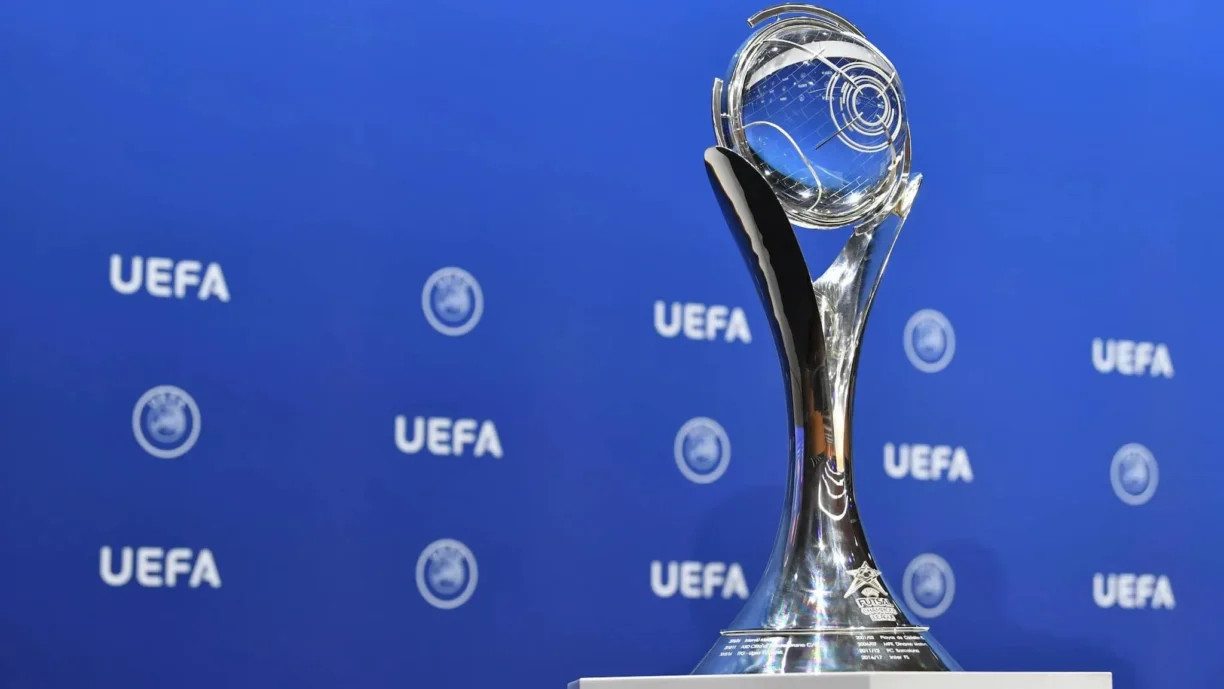
The UEFA Futsal Champions League remains the competition that gives Europe’s best club sides a stage worthy of the craft. Its current format includes qualifying rounds, knockout stages and a four-team final tournament, keeping the climax sharp, compact and full of jeopardy.
That matters because futsal deserves to be seen not merely as a development tool for footballers, but as a high-level sport in its own right.
The passing patterns are intricate. The finishing is ruthless. The goalkeepers are half-shot-stoppers, half-quarterbacks. The margins are tiny. A match can tilt on a toe-poke, a wall pass or one defender blinking at precisely the wrong moment.
The Verdict: Small Game, Huge Influence
Futsal’s great trick is that it makes football smaller without making it simpler.
It condenses the game, intensifies the decisions and exposes the player. There is nowhere to drift. Nowhere to admire your own pass. Nowhere to quietly recover from a poor first touch while pretending it was tactical.
That is why so many elite players speak about futsal with affection and respect. It gave them freedom, but also discipline. It gave them flair, but only after demanding speed of thought. It gave them skill, but never allowed it to become ornamental.
In an era when football is faster, tighter and more suffocating than ever, futsal feels less like a childhood memory and more like a blueprint.
The pitch may be small. The influence is enormous.
All you need to know about the Futsal Champions League finals…