EFL and Carabao extend their League Cup partnership through 2028/29, deepening one of English football’s longest modern commercial ties.
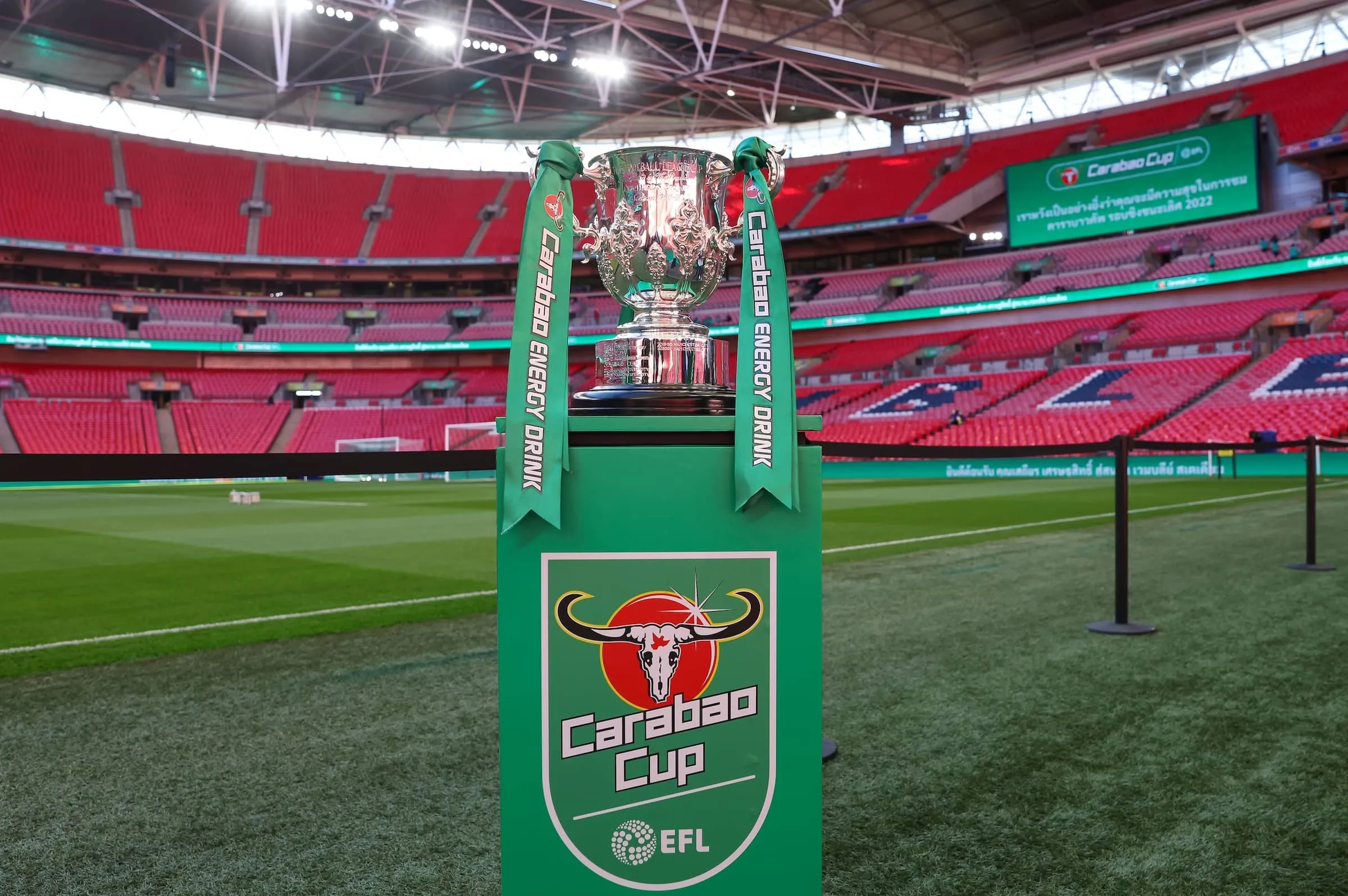
The EFL has chosen the eve of another Wembley final to make a broader point about the health of the League Cup: this competition is not merely surviving in the shadow of bigger, louder machinery, it is still attracting belief, money and attention. With Arsenal and Manchester City preparing to contest the Carabao Cup Final, the English Football League has confirmed a two-year extension with Carabao that will keep the energy drink brand on the masthead through the 2028/29 season.
That takes the arrangement to 12 seasons in total, making Carabao the longest-serving naming partner in the 66-year history of the competition. In modern football, where commercial alliances can vanish quicker than a manager after three bad results, that sort of longevity says something.
A competition that keeps finding ways to matter
The League Cup has long occupied an awkward but oddly fascinating corner of English football. It is not the grandest prize on the shelf, and no one is pretending otherwise, but it remains one of the few competitions capable of producing genuine disorder. Young players emerge, major clubs wobble, and by the time the final arrives at Wembley, the thing has usually found a pulse of its own.
During the Carabao era, there has been no shortage of significant moments. Manchester City turned the competition into a personal habit by winning it four times in a row, while Manchester United, Liverpool and Newcastle United also lifted the trophy. Newcastle’s triumph, in particular, carried the weight of history, ending a 70-year wait for major silverware and turning Wembley into something close to a national release valve for one half of the North East.
That is the quiet strength of this cup. It does not always shout, but it has a knack for delivering occasions that cling to the memory.
The numbers behind the EFL’s confidence
The EFL is not extending this partnership out of sentiment. The numbers, at least as presented, are substantial enough to justify the confidence.
More than 10 million supporters have come through the turnstiles during the partnership, while attendances have risen by 20 per cent. Add to that a cumulative global television audience of more than one billion, and the League Cup begins to look less like a secondary domestic competition and more like a durable broadcast property with genuine international pull.
Its reach now stretches across 177 territories, with every Carabao Cup match shown live on Sky Sports this season. That matters because visibility is currency now. Tournaments no longer live or die solely by tradition; they live by how well they travel.
More than signage at the side of the pitch
From next season, the partnership will widen again with the UK launch of Carabao Lager, which will be visible across stadiums and available to supporters at selected fixtures. On one level, it is classic sports sponsorship behaviour: branding, activation, product sampling, the usual parade of commercial logic. On another, it shows how these deals have evolved.
They are no longer just about sticking a name on a trophy and hoping people remember it. The modern sponsorship model is about embedding a brand into matchday, community outreach and fan experience until it feels less like an advert and more like part of the furniture.
That, at least, is the ambition here. The EFL clearly wants the partnership to feel rooted in the competition’s culture rather than floating above it.
The international reach of a domestic cup
One of the more intriguing elements of this story is how far beyond England the League Cup now stretches. Trophy tours and fan events across Thailand, Vietnam and China have taken the competition to audiences that would once have regarded it as a distinctly local affair, all floodlights and fixture congestion.
Through the Coach the Coaches initiative, EFL coaches have worked with more than 2,000 local coaches in Thailand, while 1,800 grassroots teams have competed in Carabao-backed tournaments for the chance to attend the final. These are not side notes. They are part of the reason the competition has commercial force.
English football remains one of Britain’s most exportable cultural products, and the EFL understands that even a cup often treated domestically as an inconvenience can become compelling abroad when packaged with enough intent.
What the extension says about the League Cup’s place in the game
There is a tendency to talk about the League Cup as if it is permanently auditioning for relevance. Yet deals like this suggest its position is sturdier than critics sometimes allow. It offers Wembley, silverware, national coverage and a path to a major occasion for clubs and supporters throughout the pyramid. That is not trivial. In fact, it is increasingly valuable.
Trevor Birch, Chief Executive Officer at the EFL, said: “We’re delighted to extend our long-standing partnership with Carabao, taking their title sponsorship of the League Cup to 12 seasons – the longest in the competition’s history. The Carabao Cup occupies a special place in our game, bringing people together and creating moments that live long in the memory.
“Carabao have been an outstanding partner throughout, and this renewal underlines a shared commitment to help the competition continue to flourish. Together, we want to keep celebrating what makes the Carabao Cup special – exciting, competitive football alongside the opportunity it creates for all 92 clubs, and their supporters, across the English football pyramid.”
That final point is the important one. The EFL is selling not just a final at Wembley, but a competition that still connects the entire professional structure of the game.
Carabao’s long play in football
For Carabao, this extension is about more than brand familiarity. It is about persistence. Seven years after first attaching its name to the competition, the company has chosen continuity over novelty, which is often the smarter move when a sponsorship already has recognition.
Carabao Group CEO, Sathien Sathientham, said: “As proud sponsor of the Carabao Cup since 2017, Carabao is honoured to continue its long-standing partnership with the EFL. We are extremely delighted to have extended our sponsorship agreement through to the 2028/29 season.
“This continued partnership reflects our deep commitment to the competition, to the EFL, and to football fans around the world. Being part of the competition’s journey for so many years is something we are incredibly proud of, and we look forward to supporting its growth and success for many seasons to come.”
It is the language you would expect from a sponsor, certainly, but the duration gives it a bit more weight. Brands do not stay this long unless they believe the association still has value.
Wembley, tradition and the business of staying power
So here we are again: Wembley on the horizon, the League Cup polished and presented, and the EFL using the moment to underline that this competition still has both emotional pull and commercial teeth.
The Carabao Cup may never be the grandest possession in English football, but it remains one of the most useful. It offers drama, access, reach and a final that still means something to the people who get there. That, in the end, is why this extension matters. Not because sponsorship deals are glamorous — they rarely are — but because they reveal where belief still sits.
And for now, at least, the belief in this competition remains very much alive.