UK parents say the education system is outdated, rigid and failing children, with growing calls for flexible learning, practical skills and reform.
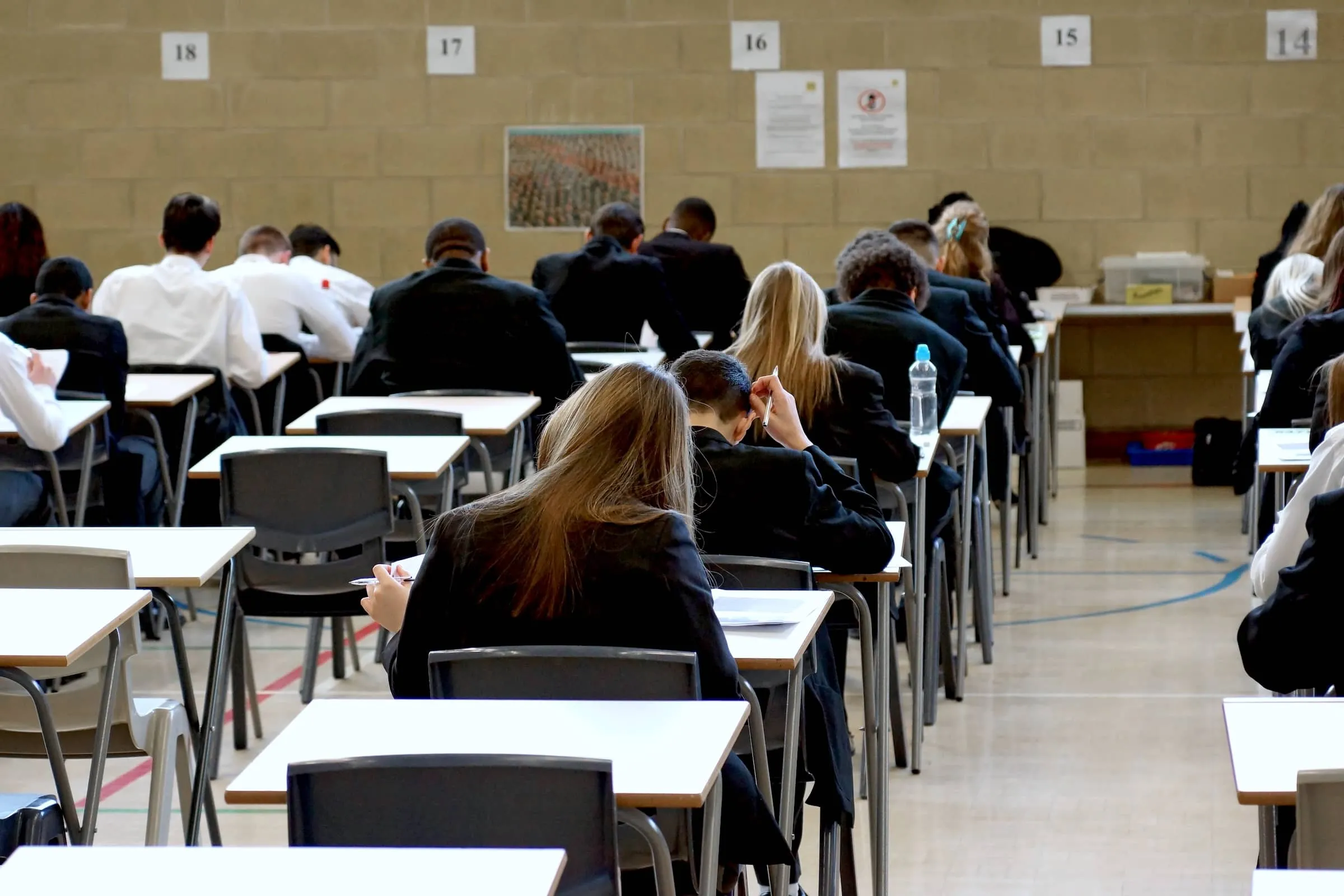
The education system is supposed to help children grow, learn and occasionally remember where they left their PE kit. Instead, many British parents now believe it is doing something rather less noble: squeezing very different children through the same narrow gap and hoping for the best. New research suggests families increasingly see mainstream schooling as rigid, outdated and poorly matched to the way children actually learn.
That frustration is not sitting at the edges either. A survey of 2,000 parents found 66 per cent believe the current model does not work for their child, with fixed timetables, inflexible structures and shrinking extra-curricular opportunities among the main complaints. For plenty of families, school is starting to feel less like a launchpad and more like a sorting machine.
A Victorian Model in a Very Modern World
The central grievance is not terribly mysterious. Parents are looking at a school structure with roots in the Victorian era and asking whether it still makes sense in a world of personalised technology, hybrid working and growing awareness around children’s individual learning needs.
According to the findings, 61 per cent of parents feel their child struggles with the limited flexibility of today’s education system. Nearly three-quarters, 71 per cent, now see the traditional 9-to-3, five-day model as outdated. That is a remarkable figure, and it points to a broader cultural shift: families are no longer simply asking how children can fit school, but whether school is still fitted properly for children.
Wolsey Hall Oxford, the online homeschooling provider behind the research, is calling on the Department of Education to rethink the model and move towards more flexible learning options shaped around the child rather than the institution.
Why Parents Feel the Current Model No Longer Fits
There is a line in the data that says quite a lot without needing a brass band behind it: 71 per cent of parents believe a “one size fits all” approach is no longer effective. For a system built on standardisation, that is rather awkward.
Parents say children are easily distracted in mainstream learning environments, with 40 per cent identifying that as a problem. Another 27 per cent say their child becomes bored quickly. Twenty-two per cent say their child dislikes speaking in front of peers, while 17 per cent feel learning is simply not tailored to individual needs.
That does not suggest laziness or lack of discipline. It suggests mismatch. Some children thrive in structure. Others wilt in it. Many need something more varied, more practical or simply more human.
The SEN Gap Is Too Big to Ignore
The sharpest concern comes from families of children with Special Educational Needs. Among parents of children with dyslexia, dyspraxia, autism or ADHD, 81 per cent say the current model is outdated.
That figure should stop policymakers in their tracks. Not because it is dramatic, though it is, but because it hints at a deeper problem: a system that claims universality while leaving many children feeling like awkward exceptions to its rules.
It is little wonder, then, that 50 per cent of SEN parents believe a more flexible education system would better support their child’s wellbeing and academic success. A slightly higher 51 per cent say greater flexibility in how and when children learn would be beneficial.
When families repeatedly describe school as trying to force a square peg into a round hole, they are not asking for indulgence. They are asking for fit.
Homeschooling Moves From Fringe to Considered Option

Homeschooling, once spoken about in some quarters as though it involved a yurt, a recorder and a nervous local authority official, is now being considered by a substantial number of families. More than half of parents surveyed, 55 per cent, say they have considered it. Among families with children with SEN, that rises to 73 per cent.
That matters because it reflects more than dissatisfaction. It reflects intent.
The pandemic appears to have accelerated this rethink. When traditional schooling could not meet every family’s needs, parents started looking elsewhere. In doing so, many discovered alternatives that offered greater flexibility, more personalised teaching and a different rhythm of learning altogether.
Practical Learning Is No Longer a Side Issue
If there is one message parents seem particularly keen to deliver, it is that children were not designed to sit still all day absorbing information like damp wallpaper. Almost all parents surveyed, 99 per cent, want more opportunities for their child to explore the world beyond the classroom.
Seventy-eight per cent believe their child would benefit more from hands-on, experiential learning rather than spending the day at a desk. More than half, 54 per cent, say they would prefer a more practical approach to education.
There is also clear support for structural change. Sixty-two per cent favour small group teaching. Forty per cent back project-based learning. Twenty-six per cent support a blended model of classroom and online education, which feels less radical when you remember many of the parents making these choices now work in exactly that way themselves.
Parents Want a Curriculum for Real Life
There is an old joke that school teaches you Pythagoras but not how to change a fuse or read a payslip. Parents appear to have reached the point where they are no longer laughing.
Nearly half, 48 per cent, feel their child’s skills are not being applied in real-life situations. One in three, 32 per cent, believe the curriculum is outdated or irrelevant, while 30 per cent say it is too repetitive.
Looking ahead, parents say they want a broader curriculum with practical life skills given proper weight. Their top priorities are first aid and CPR at 64 per cent, financial literacy at 63 per cent and mental health and stress management at 62 per cent. Cooking and meal planning follows at 57 per cent, with basic household maintenance on 52 per cent. Interview skills, spotting misinformation, understanding tax and gardening also feature prominently.
That is not a rejection of academic learning. It is a plea for balance. Parents are asking for an education system that prepares children not just for exams, but for life.
What Wolsey Hall Oxford Is Saying
Gavin McLean, Principal at Wolsey Hall Oxford, said: “Today’s education system still reflects a model first set up over 200 years ago, designed to fit the needs of parents who were factory workers, but children are not products on an assembly line.
“An education system should adapt to the child, nurturing their individuality, curiosity, and pace of learning, not force the child to conform to a rigid system that was never built for them. The fact many are forced through this outdated system throughout their younger years is a national crisis and one we are urging the Department of Education to address for all students and teaching practitioners.
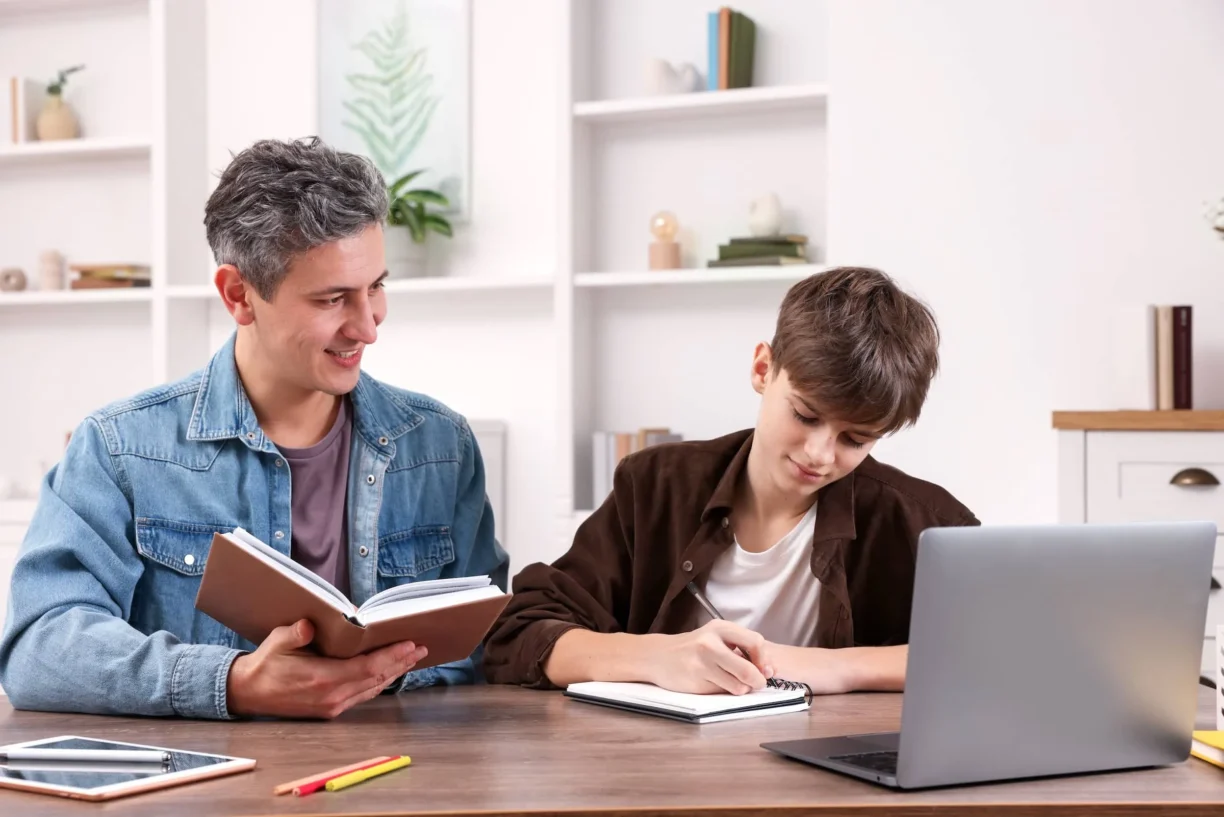
“Homeschooling is increasingly seen as a popular alternative, giving parents the freedom to create a more personalised, flexible environment where children can truly engage through hands-on learning, real-world experiences, and the time and space to build confidence without pressure.
“As our research shows, many parents are already questioning whether the mainstream education system is the right fit. Exploring alternatives like homeschooling or a hybrid model of studying at home and in a physical school environment can open up new opportunities for children to thrive, develop independence and foster a genuine love of learning that stays with them for life.”
A System Under Pressure, and a Public Losing Patience
The broader point here is not that every child should be homeschooled, or that every school is failing. It is that a growing number of parents no longer believe the existing education system is flexible enough, practical enough or responsive enough for the children it is meant to serve.
That is a serious warning shot. Once families begin to see the mainstream model as something to work around rather than work with, trust starts to fray.
Britain’s schools are being asked to educate children for a future that looks nothing like the past. If parents are right, the problem is not simply that the system is old. It is that it is old in all the wrong places: too rigid where it should bend, too abstract where it should connect, and too standardised where children are anything but.
For more information, visit wolseyhalloxford.org.uk