
Nine simple meals that make eating slowly easier, calmer and more intentional
Eating slowly sounds laughably simple until you realise most of us now inhale lunch like we’re late for a tee time, scroll through dinner as if Instagram is a seasoning, and treat breakfast like a hostage negotiation with the toaster.
Somewhere between desk lunches, phone-led dinners and the national sport of eating while standing up, mealtimes have lost a little of their charm. Not the grand, candlelit, linen-napkin sort of charm. More the basic human pleasure of noticing what’s on the fork before it disappears.
Dr Eleni Nicolaou, Art Therapist and Creative Wellness Expert at Davincified, believes food can become a daily pause rather than another thing to be rushed through. Her advice is refreshingly free of culinary gymnastics. No towers of microgreens. No foam. No need to own a pan with a name.
Just simple meals that naturally encourage slower eating, better attention and a little more calm in the day.
Why Slower Eating Matters More Than We Think
Mealtimes are one of the few rituals we still get several chances to practise every day. Done badly, they vanish in a blur. Done well, they become tiny anchors.
The point is not perfection. It is presence.
Slower eating gives the body and mind time to catch up with each other. You notice texture, warmth, flavour, hunger and fullness. You stop treating food as admin and start treating it as a moment.
That is not indulgent. It is sensible.
1. Overnight Oats With Seasonal Fruit

Overnight oats are breakfast for people who know the morning version of themselves cannot be trusted with decisions.
Prepared the night before, they offer a quiet act of organisation before the day has even begun. By morning, there is no panic, no clattering, no heroic attempt to make toast while answering an email.
Just oats, fruit, texture and time.
“There’s something calming about preparing food the night before,” says Dr. Nicolaou. “It shifts breakfast from a scramble into something you look forward to.”
Add seasonal fruit, nuts, seeds or yoghurt, and you have a breakfast that rewards attention without demanding much effort.
2. Simple Vegetable Soup

Soup is the culinary equivalent of being told to sit down and behave yourself.
A pot of vegetable soup asks for patience. The chopping, simmering and slow build of aroma all help drag you back into the room. Unlike reheated convenience food, soup has a way of making you aware of process.
“Soup is one of those meals that asks you to stay in the room,” Dr. Nicolaou notes. “The smell, the warmth, the stirring. It’s sensory in the best possible way.”
It is also a clever meal for mindful eating because it refuses to be rushed unless you enjoy burning the roof of your mouth.
3. Avocado Toast With Toppings
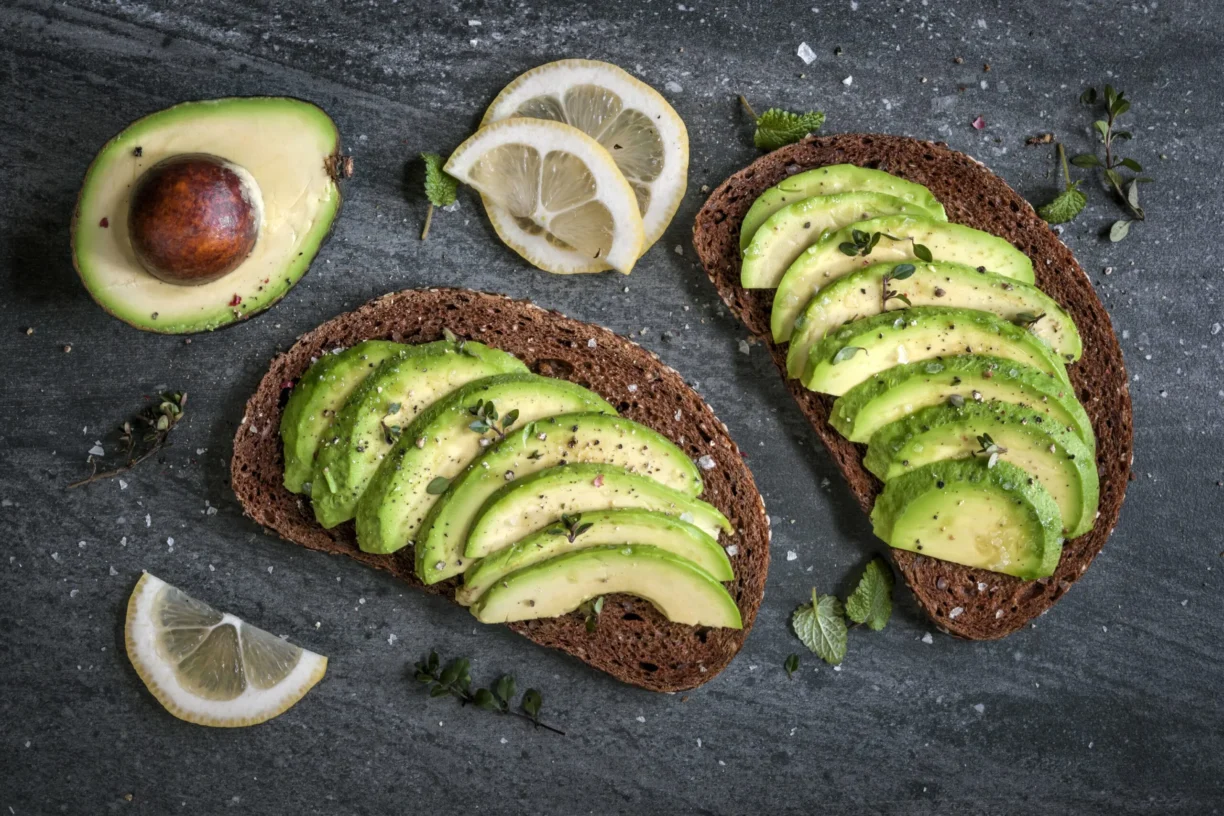
Avocado toast gets mocked because it has spent too long being photographed near flat whites. But made well, it is a smart little exercise in attention.
There is the toast itself, crisp enough to matter. The avocado, seasoned properly. Then toppings: chilli flakes, tomatoes, seeds, egg, herbs, lemon, feta or whatever else brings a bit of bite.
The pleasure comes in the layering. Colour, texture, freshness, crunch.
Eating slowly becomes easier when a meal gives you more to notice.
4. Roast Tray Vegetables With Herbs

Roasting vegetables is almost suspiciously forgiving. Chop, season, add herbs, let the oven do the quiet labour.
The waiting is part of the point.
As the edges caramelise and the smell builds, the meal becomes less about instant gratification and more about rhythm. Carrots, peppers, squash, onions, courgettes and potatoes all become better versions of themselves with a bit of heat and patience.
“Slow roasting teaches you to trust the process,” says Dr. Nicolaou. “There’s a rhythm to it that feels comforting.”
That is not bad life advice from a tray of vegetables.
5. Homemade Pasta With Olive Oil And Garlic

Homemade pasta sounds like a weekend project until you remember it can also be wonderfully simple. Flour, eggs, hands, repetition.
The tactile nature of making pasta encourages focus. Rolling, shaping and cutting all demand just enough attention to stop the mind galloping off in six directions.
Even a basic aglio e olio — pasta, olive oil, garlic and heat — carries the same lesson. Eat it slowly. Let the garlic do its work. Leave the phone somewhere else, preferably under something heavy.
6. Rice Bowls With Seasonal Ingredients
A rice bowl is a meal built by arrangement rather than fuss.
The base gives comfort. The toppings bring colour, crunch, freshness and balance. Seasonal vegetables, herbs, tofu, fish, chicken, egg, pickles, seeds or greens can all make an appearance.
“Rice bowls are a good reminder that eating well doesn’t have to be complicated,” Dr. Nicolaou observes. “Mindful assembly matters more than elaborate recipes.”
It is a useful reminder for anyone who thinks healthy eating needs a spreadsheet, a spiraliser and the emotional commitment of a mortgage.
7. Porridge With Nuts, Honey And Spices
Porridge is not glamorous. It has no interest in being glamorous. That is part of its charm.
It asks you to stir, wait and warm into the day. Add nuts for crunch, honey for sweetness, cinnamon or nutmeg for spice, and suddenly the whole thing feels less like fuel and more like a ritual.
For anyone trying to practise eating slowly, porridge is ideal. It is warm, steady and difficult to wolf down unless you are actively trying to punish yourself.
8. Grilled Fish Or Tofu With Greens
Grilling demands attention. Not panic, just presence.
Fish and tofu both respond to timing, texture and heat. Turn away for too long and the meal lets you know. Stay with it, and you get something clean, satisfying and quietly precise.
Paired with greens, olive oil, lemon, herbs or a simple grain, it becomes the kind of meal that feels light without feeling meagre.
It is also a good reminder that cooking can be meditative without anyone having to say the word “journey”.
9. Open Sandwich Boards
Open sandwich boards are wonderfully democratic. Bread, toppings, spreads, pickles, cheese, vegetables, smoked fish, eggs, hummus, herbs — lay everything out and let people build.
There is no single correct answer, which is a relief in a world increasingly obsessed with optimising every mouthful.
The communal nature of assembling food at the table naturally slows things down. People talk. They choose. They reach. They build. They notice.
“Food doesn’t have to be elaborate to be meaningful,” says Dr. Nicolaou. “Sometimes the simplest meals are the ones that give us the most space to breathe.”
The Real Skill Is Paying Attention
The strongest idea here is not that one meal is magic. It is that way we approach food that can change how it lands in the day.
Eating slowly is less about strict rules and more about giving yourself enough space to experience what is already there. The smell of soup. The colour of a rice bowl. The sound of toast cracking under a knife. The warmth of porridge before the inbox starts swinging punches.
Dr Eleni Nicolaou, Art Therapist and Creative Wellness Expert at Davincified, comments: “Slower eating is about attention. Even the simplest meals can become grounding rituals when we give them time, presence, and care. A bowl of porridge made without rushing, a tray of vegetables left to roast slowly, a sandwich assembled without a phone in hand. These are small acts, but they matter.
“By choosing food that’s easy to prepare but rewarding to experience, we create little pauses in the day that help counterbalance a pace of life that can otherwise feel relentless. You don’t need an elaborate recipe or a clear schedule. You just need a few minutes and the willingness to actually be there while you eat.”
A Small Pause Worth Taking
None of these meals requires expertise. That is the beauty of them.
They are not trying to turn your kitchen into a monastery or your breakfast into a wellness retreat with spoons. They simply offer a way to reclaim a few minutes from the machinery of the day.
And in a world where lunch is often eaten one-handed over a keyboard, eating slowly might be less of a lifestyle trend and more of a quiet rebellion.