Why better oral health habits could help athletes protect performance, recovery and training consistency.
Dental care is not usually the glamorous end of athletic performance. It does not come with carbon-plated trainers, wearable tech, protein tubs the size of patio planters, or a coach shouting encouragement through a stopwatch. Yet for athletes, oral health can quietly influence comfort, recovery, nutrition, sleep and the simple ability to train without a throbbing molar staging a mutiny.
Why Oral Health Belongs In The Performance Conversation
Athletes are used to thinking in marginal gains. Better sleep. Better fuelling. Better mobility. Better recovery. But the mouth is often treated like an entirely separate department, somewhere between “brush quickly” and “hope for the best”.
That is a mistake.
Preventive oral health is part of athlete health management because dental problems rarely stay polite. Tooth sensitivity, gum irritation, enamel wear and oral infections can affect eating, concentration and rest. None of that is especially helpful when your week already involves training loads, competition nerves and the occasional ice bath that feels like a legalised punishment.
For athletes at any level, routine check-ups, daily hygiene and early intervention can help reduce avoidable disruption. Consulting a dentist in Leicester during the season, for example, is not just about keeping teeth looking respectable in team photos. It may also help spot small issues before they become training-interrupting nuisances.
The Athlete’s Mouth Has A Tougher Job Than Most
High-intensity and endurance training create a very particular set of oral health pressures. Heavy breathing through the mouth, dehydration and sweating can all contribute to dry mouth. That matters because saliva is not merely there to stop you sounding like an old leather glove after a hill session. It helps defend teeth against bacteria and acids.
When saliva levels drop, the mouth becomes more vulnerable to tooth decay and enamel erosion. Add in regular sports drinks, energy gels, carbohydrate snacks and acidic fuelling products, and suddenly the smile has more incoming traffic than the first tee on a sunny Saturday.
Those products can be useful for performance. The issue is frequency and exposure. Sugar and acid hanging around the teeth for long periods can contribute to plaque build-up and enamel wear, particularly when oral hygiene is inconsistent.
How Dental Problems Can Chip Away At Performance
Poor oral health does not need to arrive with sirens and flashing lights to cause trouble. Sometimes it is a dull ache, a sensitive tooth, bleeding gums or discomfort when eating.
That can be enough.
Pain can disturb sleep. Poor sleep can affect recovery. Discomfort can change food choices. A changed diet can affect fuelling. Gum problems or oral infections may also be linked with wider inflammatory responses and extra demands on the immune system.
Individually, these issues may sound small. Together, they can create the sort of performance drag athletes notice only after momentum has already started slipping. It is less dramatic than a torn hamstring, granted, but considerably easier to ignore until it becomes inconvenient.
The Daily Dental Care Routine Athletes Should Actually Follow
The basics still matter, which is both reassuring and mildly annoying for anyone hoping for a more exotic solution.
A sensible preventive dental care routine should include brushing for two minutes twice a day, cleaning between the teeth with floss or interdental brushes, and using fluoride toothpaste to support enamel strength.
Timing also matters. After acidic drinks or foods, it is worth allowing some time before brushing. Saliva helps neutralise acids, and brushing too soon after an acidic hit may increase enamel wear.
During long training sessions, dry mouth can become a bigger issue. Sipping water regularly, chewing sugar-free gum when practical, and using saliva substitutes where appropriate may help maintain oral moisture. After exercise, rinsing the mouth with water can help clear sugars and acids before the next meal.
It is not glamorous. Neither is stretching. Both have a habit of becoming more important when ignored.
Mouthguards, Clenching And The Unseen Wear And Tear
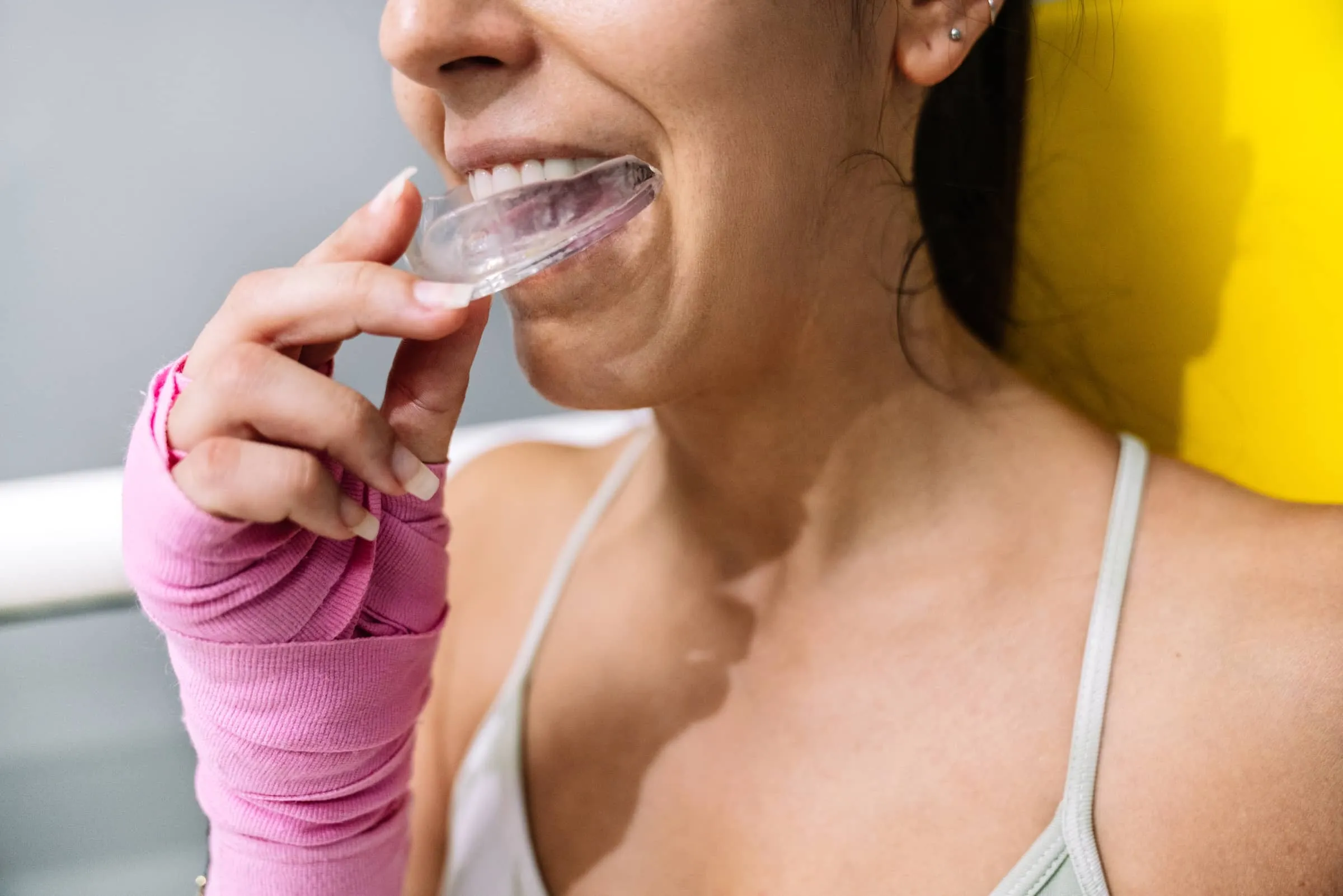
Contact sport athletes already understand the value of mouthguards, usually after seeing what happens when someone else does not wear one. Custom-made mouthguards can help protect teeth during impact sports and may offer better comfort and fit than generic alternatives.
There is another issue, too: clenching and grinding. Athletes under physical stress may clench their jaw during hard sessions or grind their teeth at night. Over time, that can contribute to tooth wear, jaw discomfort and headaches.
Routine dental check-ups can help identify enamel wear, gum irritation, bite issues and signs of grinding before they become bigger problems. Early intervention is the unshowy hero here. No podium, no champagne, just fewer unpleasant surprises.
Practical Habits To Keep In The Kit Bag
Athletes are creatures of routine, which makes dental care easier to integrate than it first appears.
A weekly oral health check can include looking for gum swelling, bleeding, mouth ulcers or new sensitivity. Sports bottles should be cleaned properly, not merely rinsed in a manner best described as optimistic. Dental supplies should live in the kit bag, especially for athletes who travel or train away from home.
Monthly, it is worth checking a mouthguard for wear, odour or damage. Interdental cleaning can also be reviewed and improved if it has quietly slipped into the “I’ll do it tomorrow” category.
Regular assessments with a dentist in Chelmsford or another local dental professional can also help athletes keep preventive care on track rather than waiting until discomfort starts making decisions for them.
A Small Habit With A Larger Performance Role
Good dental care will not turn a club golfer into Rory McIlroy or make a weekend runner suddenly glide like a gazelle with a sponsorship deal. But it can remove unnecessary friction from training, recovery and daily wellbeing.
For athletes, oral health is not vanity. It is maintenance. And in sport, maintenance matters. The best performance routines are rarely built on one grand heroic act. More often, they come from doing the small things properly, repeatedly, even when nobody is watching — especially the teeth.