Darecations are replacing passive holidays with marathons, treks, safaris and sailing escapes built around challenge and memory.
The old holiday model is looking a little soft around the middle. For years, the classic escape involved a cheap flight, a hotel wristband, a plate of something beige and the faint ambition to move no further than the pool bar. Now, darecations are muscling their way into the travel conversation, replacing passive breaks with treks, marathons, safaris and sailing trips that leave you with tired legs, a full camera roll and the agreeable feeling that you have actually been somewhere.
That shift is not anecdotal fluff. SportsCover Direct says the number of travellers taking out sports travel insurance policies has risen by 182% over the last two years, suggesting more people are building trips around challenge rather than convenience. Pinterest, never shy about spotting a cultural swing before the rest of us have tied our shoelaces, has also named darecations among its top trends for 2026, with searches for adventure tourism up 75%.
What emerges is a travel market that looks less like indulgence and more like intent. People are not merely going away. They are setting themselves a task.
The lazy holiday is losing ground
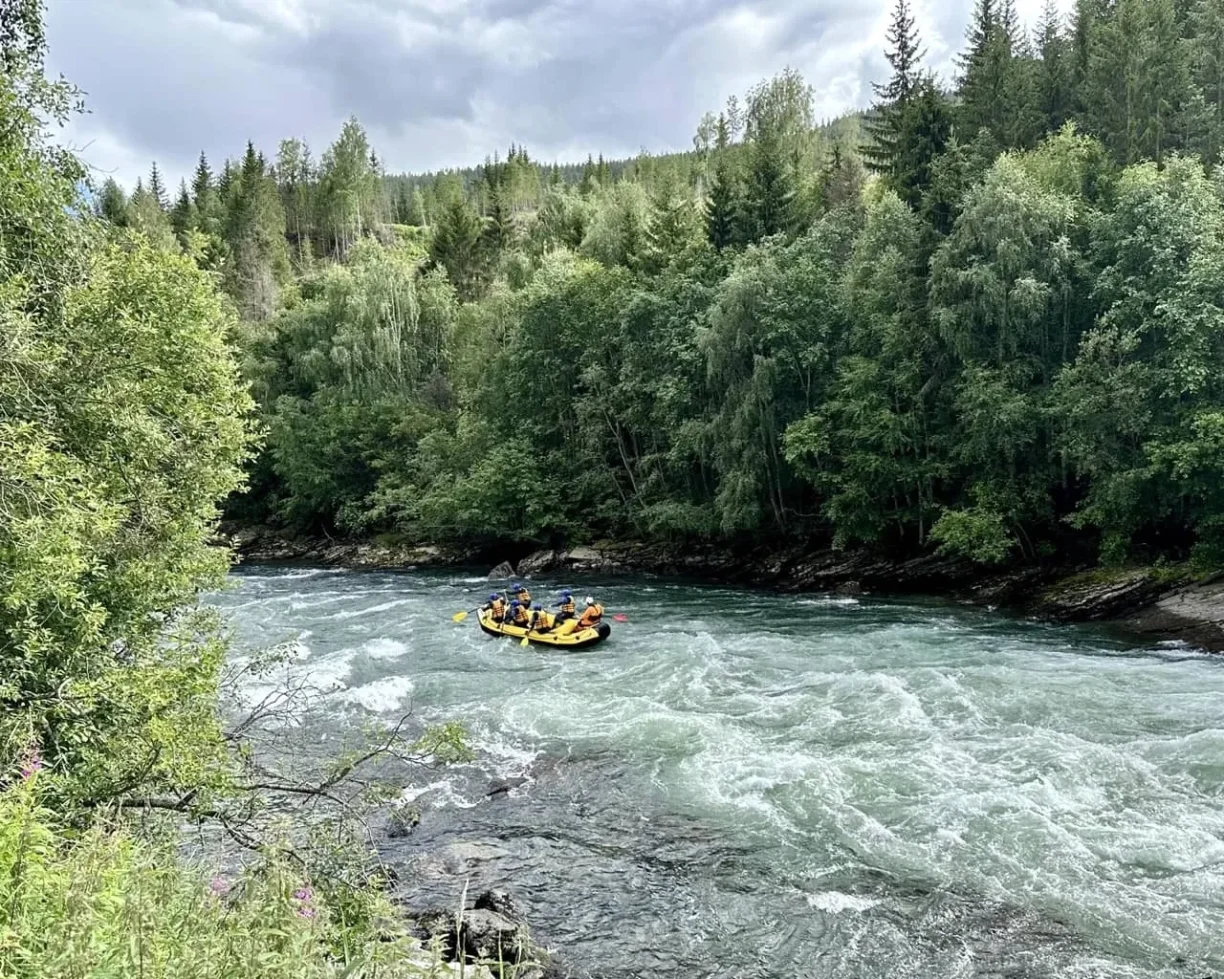
SportsCover Direct’s internal policy data paints a vivid picture of where that appetite is heading. Trekking and mountaineering lead the pack with year-on-year growth of 69%, followed by marathon running at 56% and sailing at 54%. Hiking is up 44%, white water rafting 38%, Ironman 36% and duathlon 34%. Cricket travel has climbed 33%, safari 28% and archaeological digging 26%.
It is an eclectic list, which is part of the point. The modern adventure traveller is not following a single script. One person wants altitude and silence in the Himalayas. Another wants to run through an old European city on race day. Someone else wants to stand in the bush at first light, listening to the low mechanical grumble of a landscape that does not care what time your return flight is.
The broader economics back it up. Sports tourism already accounts for around 10% of tourist spending globally and is forecast to grow at 17.5% by 2030. That is not a fad in expensive trainers. That is a structural shift in how people decide what a holiday is for.
Why darecations feel more memorable
There is also something more human at work here. The appetite for darecations seems tied to memory, mood and the growing suspicion that lying still for a week is not always the same thing as actually switching off.
Travel writer Veronika Primm puts it plainly: “In my opinion, people seek adventurous experiences to ‘feel more’ on their travels. If your heart pumps with adrenaline or you feel a genuine connection to nature, you’re going to remember that experience for a lifetime.
“The pandemic years played a role too, leaving people hungry for experiences that make them feel fully alive and present. And with the cost of travel rising, it simply makes more sense to invest in something truly memorable rather than a pure change of scenery.”
There is the heart of it. When travel becomes more expensive, people become less willing to spend it on forgettable. The new premium is not just comfort. It is meaning.
Where the world is going for adventure
The destinations attached to these darecations are not random dots on a map. They have character, mood and a sense of purpose. They promise something more than scenery.
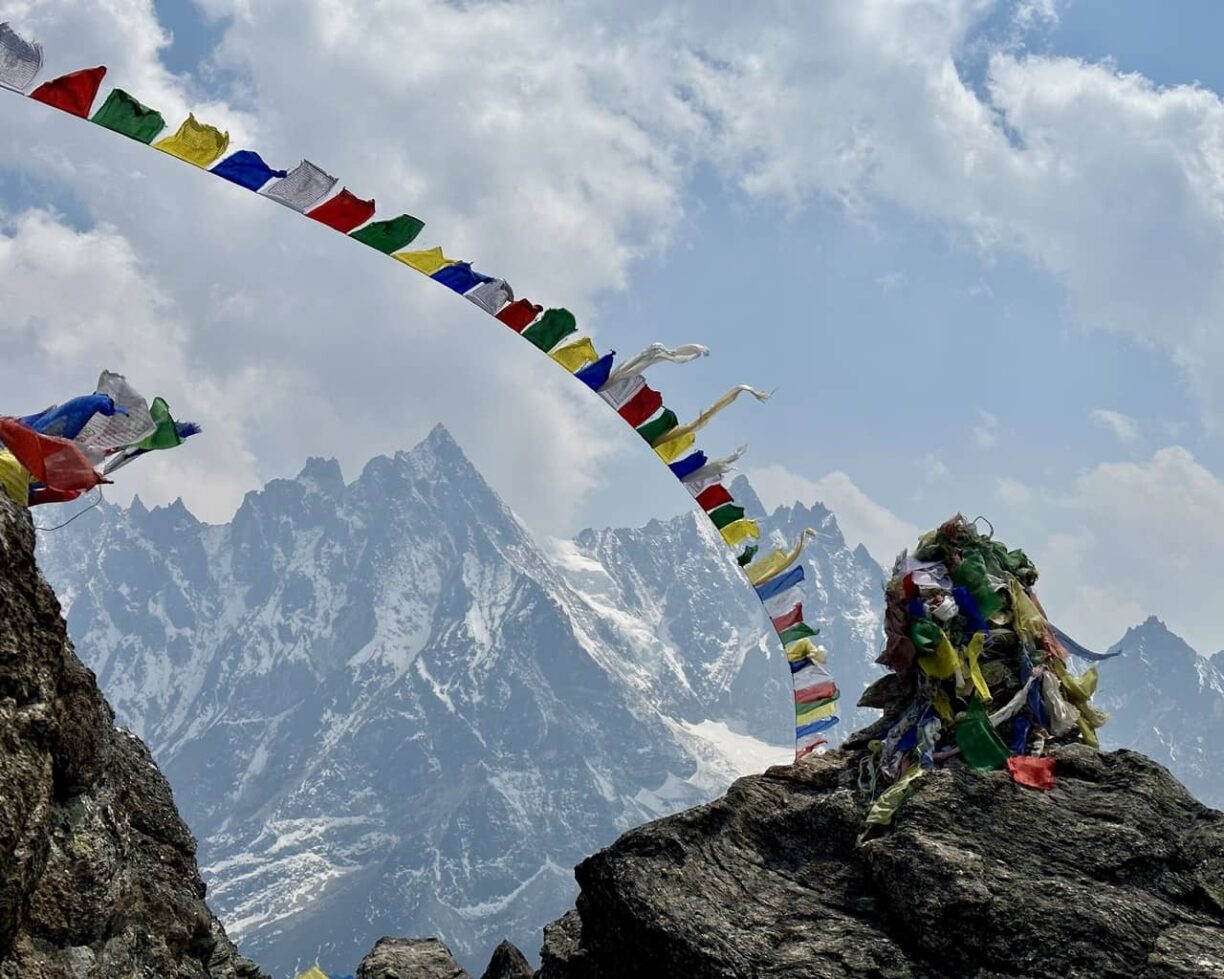
For trekking and mountaineering, Primm does not hesitate: “For trekking and mountaineering, there’s no better place on this earth than the Himalayas – there are many beautiful mountains in the world, but nothing beats seeing the Himalayas with your own eyes.”
And fair enough. The Himalayas are not merely mountains; they are scale made visible. The light is harsher, the air thinner, the silence deeper. Other ranges are beautiful. The Himalayas feel biblical.
For endurance travellers, the appeal is different. There is a peculiar satisfaction in pairing physical suffering with postcard surroundings, which may explain why historic race destinations are gaining traction.
“In my opinion, Prague is great for experiencing a special half or full marathon in a beautiful Old Town setting. For the especially tough, it would be iconic to experience Ironman in Australia – specifically the legendary race in Port Macquarie, New South Wales.”
Prague offers romance with a stopwatch. Port Macquarie offers something sterner: an endurance badge in one of the sport’s iconic settings. One is all cobbles and character. The other is a test of will in a place that knows exactly what an Ironman is supposed to feel like.
For water-based darecations, Primm points travellers in two very different directions: “For anyone after a sailing holiday, Croatia offers not just stunning coastline and pristine waters, but also a well-developed sailing infrastructure. Whereas, white water rafting is excellent in Norway – e.g. on the Sjoa River!”
Croatia gives you clean blue water, island-hopping ease and a sailing culture polished by years of serious use. Norway’s Sjoa River is another beast entirely: colder, faster, more dramatic, the sort of place where the landscape feels carved with an axe.
The mountain ranges still doing the heavy lifting
Hiking, predictably, remains one of the great democratic adventure pursuits. You do not need to be a professional athlete to understand the value of walking through somewhere that makes your inbox seem absurd.
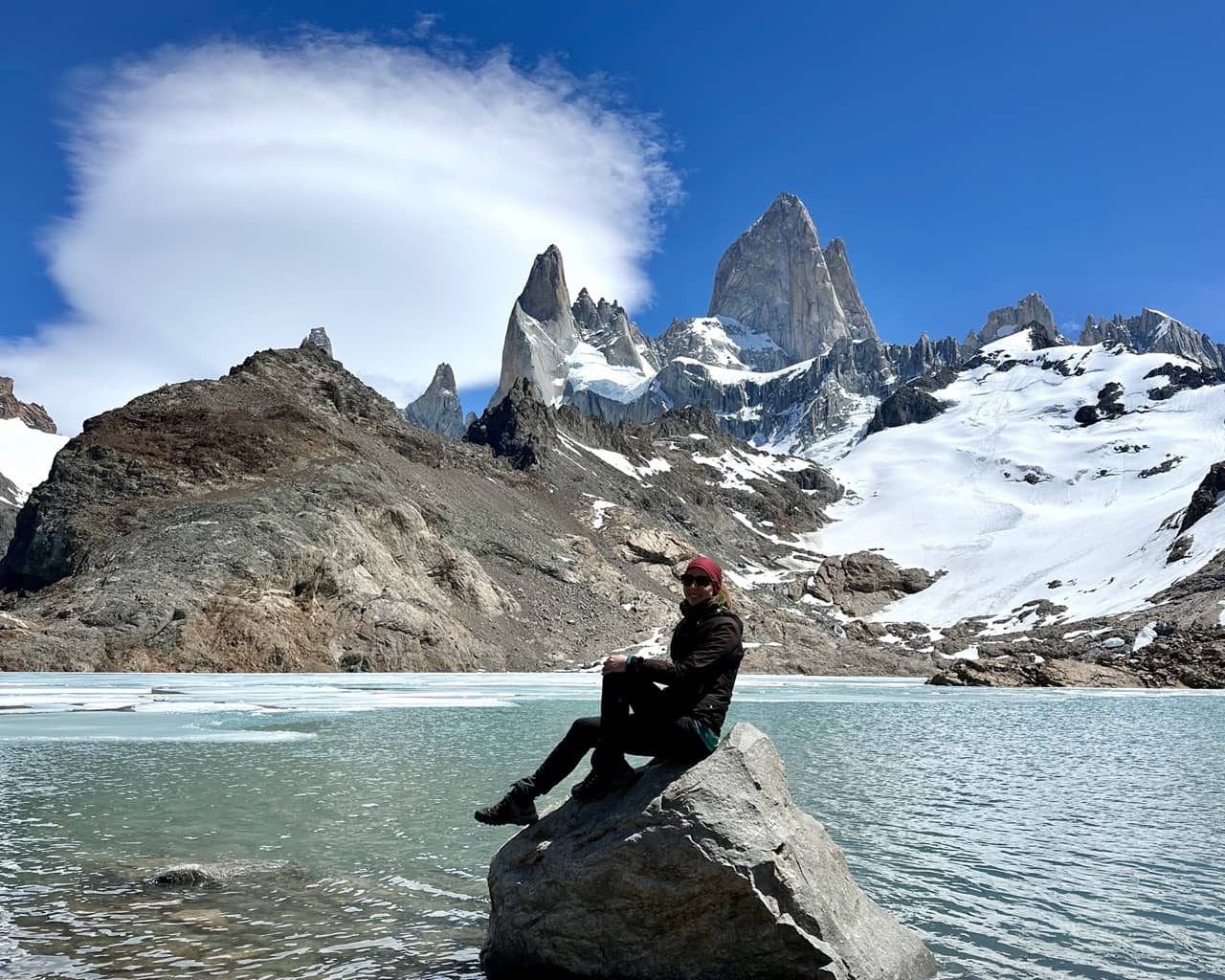
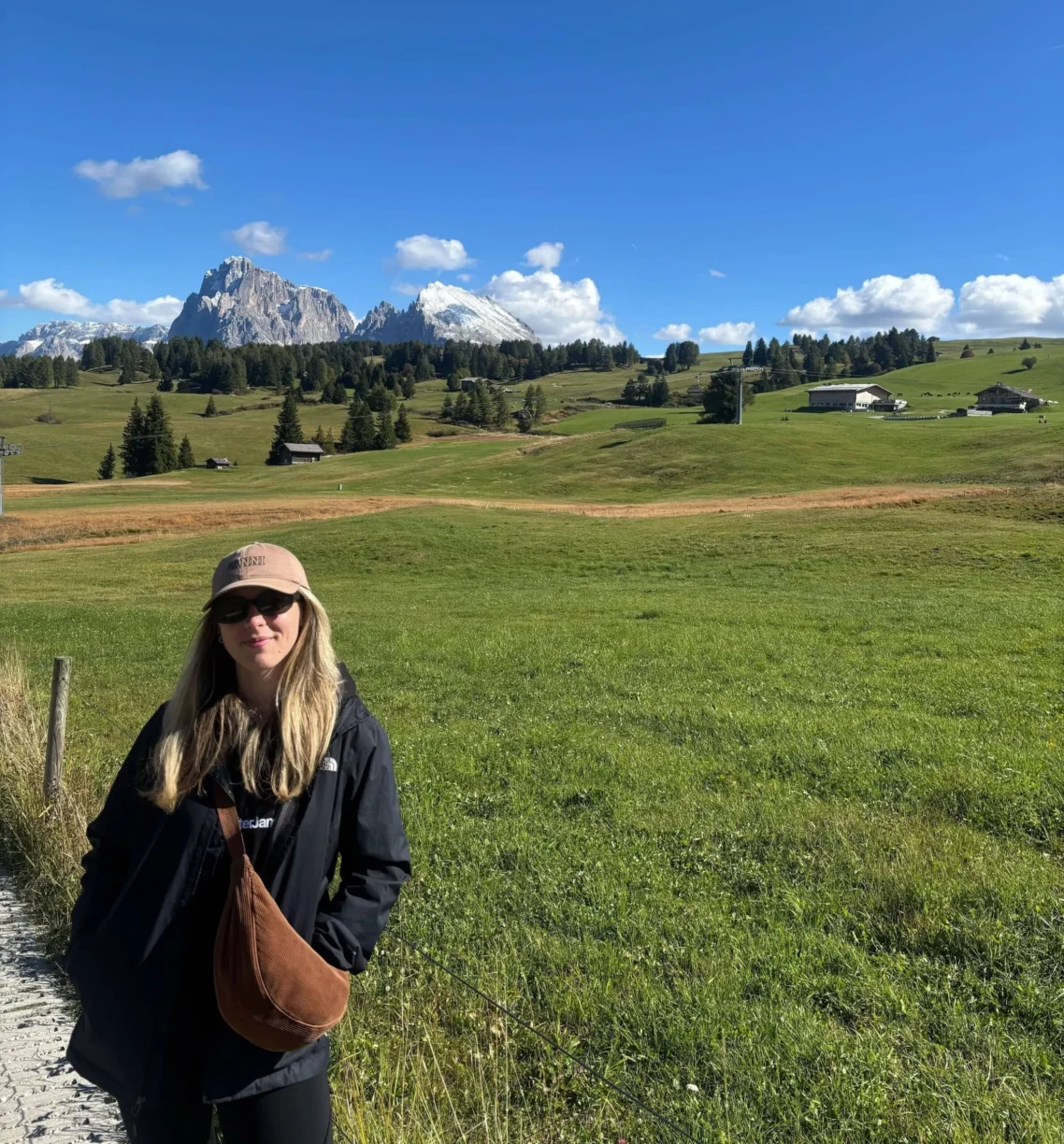
Primm says: “It’s hard to suggest just a few places for hiking adventures – from my recent travels, I’d recommend the absolutely stunning Patagonia: both Torres del Paine National Park in Chile and Los Glaciares National Park in Argentina.
“In Europe, you cannot go wrong with the Pyrenees, a serene mountain range on the border of Spain and France, and, of course, the Alps spanning several countries including Switzerland, Austria, France, and Italy.”
Patagonia has that rare quality elite destinations tend to possess: it feels almost mythological when described and somehow still exceeds expectation in person. The Pyrenees are quieter, more introspective and gloriously under-showy. The Alps, meanwhile, remain the polished grand old aristocrats of mountain travel, still magnificent and still very much aware of it.
Wildlife, cricket and digging through history
Not every darecation needs to involve lactate and grimacing. Some are built around immersion, obsession or plain old curiosity.
On safari, Primm is unequivocal: “Safari is simply best experienced in Africa. I can highly recommend South Africa, especially more intimate national parks such as Hluhluwe-iMfolozi. Uganda is also amazing, and is one of a few places where you can easily see gorillas and chimpanzees in the wild up close.”
That is the thing about safari done properly. It is not spectacle in the vulgar sense. It is intimacy with scale. A quieter park often gives you more than a famous one: less traffic, more patience, and a better chance to feel part of the place rather than processed through it.
For travellers tempted by a safari but keen to avoid the sort of itinerary that feels assembled by committee and laminated for safety, Trip Habibi is a useful starting point for shaping a more personal adventure. The best wildlife trips are not merely about ticking off animals through binoculars; they are about timing, patience, good local knowledge and knowing when to sit quietly rather than charge about like a startled golf buggy.
Elsewhere, Great Britain continues to attract duathlon travellers, while Sri Lanka is gaining attention as a cricket-focused travel destination. Greece, meanwhile, offers a rather different form of adventure for those who prefer their exertion with a brush, a trowel and several thousand years of history.
Primm recommends the country for archaeological digging, especially the Peloponnese peninsula, where excavation and landscape sit side by side in a way that makes modern life feel like a temporary administrative error.
Why travellers are choosing challenge over comfort
The deeper reason darecations matter is not merely that they are fashionable. It is that they appear to answer a question many travellers have started asking quietly: what do I actually want from time away?
For Sophie Barker from Leeds, the answer is not found on a sun lounger.
“Me and my partner often choose to go on your non-stereotypical holiday. As much as lying in the sun, catching a tan with an Aperol Spritz in hand sounds appealing, we’re both the kind to be bored after a couple of days of doing that on repeat. So now we always choose a holiday that’s a little more adventure-packed – from hiking to skiing.
“We find that holidays like this do our mental health the world of good over sitting about for a week – and it’s not that there’s anything wrong with doing that, we just personally find that our minds feel more relaxed after being out in nature and keeping busy.
“For us, whether it be skiing, hiking or wild swimming, we find nature and outdoor activities shut our brains off and stop them wandering back to the normal stressors of life more so than chilling on a sun lounger in the sun. It’s just what works for us!”
That view will sound familiar to plenty of people. Activity travel is no longer just about adrenaline. It is increasingly tied to mental reset, presence and the simple relief of being busy in ways that feel useful rather than obligatory.
The practical truth behind the trend
Of course, darecations have one unfashionable requirement: preparation. Adventure tourism sounds romantic until someone discovers halfway up a trail, halfway through a race or halfway down a river that optimism is not safety equipment.
Chris Trotman, Underwriting Manager at SportsCover Direct, makes the point without fuss: “We’re seeing a clear rise in travellers building entire trips around experiences that push them physically or mentally, whether it’s endurance challenges such as marathon running or embracing nature with a safari trip. That shift is incredibly exciting and it’s great to see the traditional model of a holiday diversifying, however it does also mean that people need to plan a little differently.
“It’s important to understand the risks associated with each activity, ensuring you have the right equipment and choosing specialist travel insurance to match your specific sport. Whether you’re attempting your first marathon away from home or embarking on a multi-day trek, the right preparation means you can focus on the adventure itself with confidence and peace of mind.”
And there it is. Beneath the romance of darecations lies logistics. The best trip stories often depend on the dull things being handled properly first.
A new kind of holiday memory
What makes darecations compelling is not just the promise of excitement. It is the promise of recall. People forget pool tiles and buffet timings. They do not forget mountain light at dawn, the nerves before a race start, the slap of cold river water, or the hush that falls when a wild animal appears exactly where it ought to be and nowhere else.
That is why this trend feels sturdier than a seasonal whim. It taps into a broader hunger for travel that changes your pulse, not just your postcode.
The old fly-and-flop break is not dead. It will always have its place, as will sun, stillness and the noble art of doing absolutely nothing. But darecations are redefining aspiration. The modern traveller increasingly wants a story worth bringing home, and preferably one earned the hard way.