Malta unveils dates, venues and ambition for the 2027 Commonwealth Youth Games across Malta and Gozo.
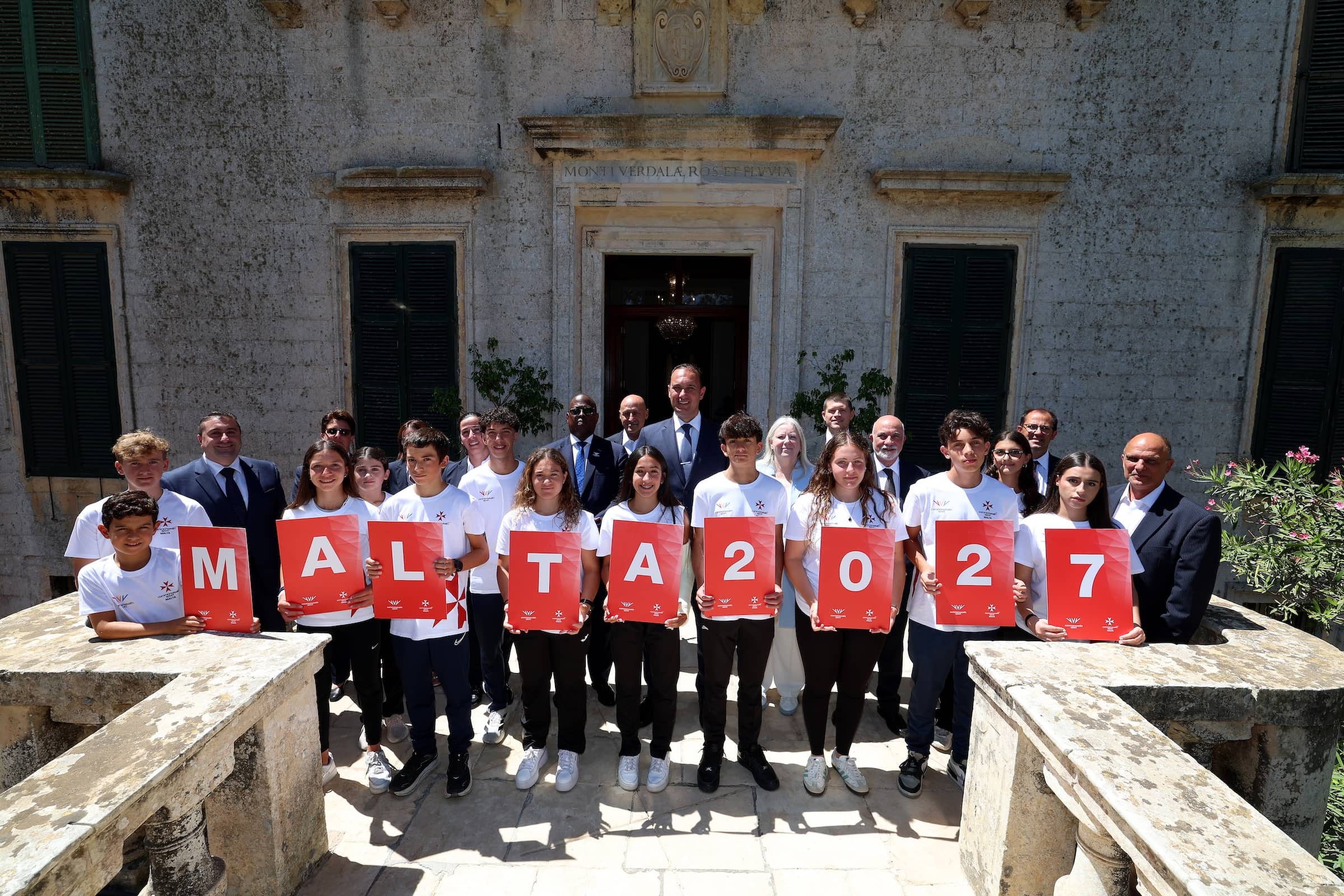
The Commonwealth Youth Games are heading for Malta in late October 2027, and the island nation has now shown its hand with the sort of confidence usually reserved for hosts who know exactly what they are doing. The dates are locked in, the venues are named, and the outline is clear: six days of competition, around 1,200 athletes aged 14 to 18, and a sporting stage spread across Malta and Gozo that looks built for both performance and postcard value.
The Opening Ceremony will take place on Friday, 29 October, before an intense six-day programme runs from Saturday, 30 October to Thursday, 4 November. It promises the usual blend that makes youth sport so compelling: raw ambition, untidy nerves, glorious talent, and the occasional reminder that tomorrow’s stars often arrive before they are fully aware of it themselves.
For Malta, this is more than a nice date in the diary. It is a statement of intent.
A compact host with outsized ambition
Small countries often stage big events well because they have no room for fluff. Everything has to work. Transport matters. Venues matter. Presentation matters. Malta appears to understand that.
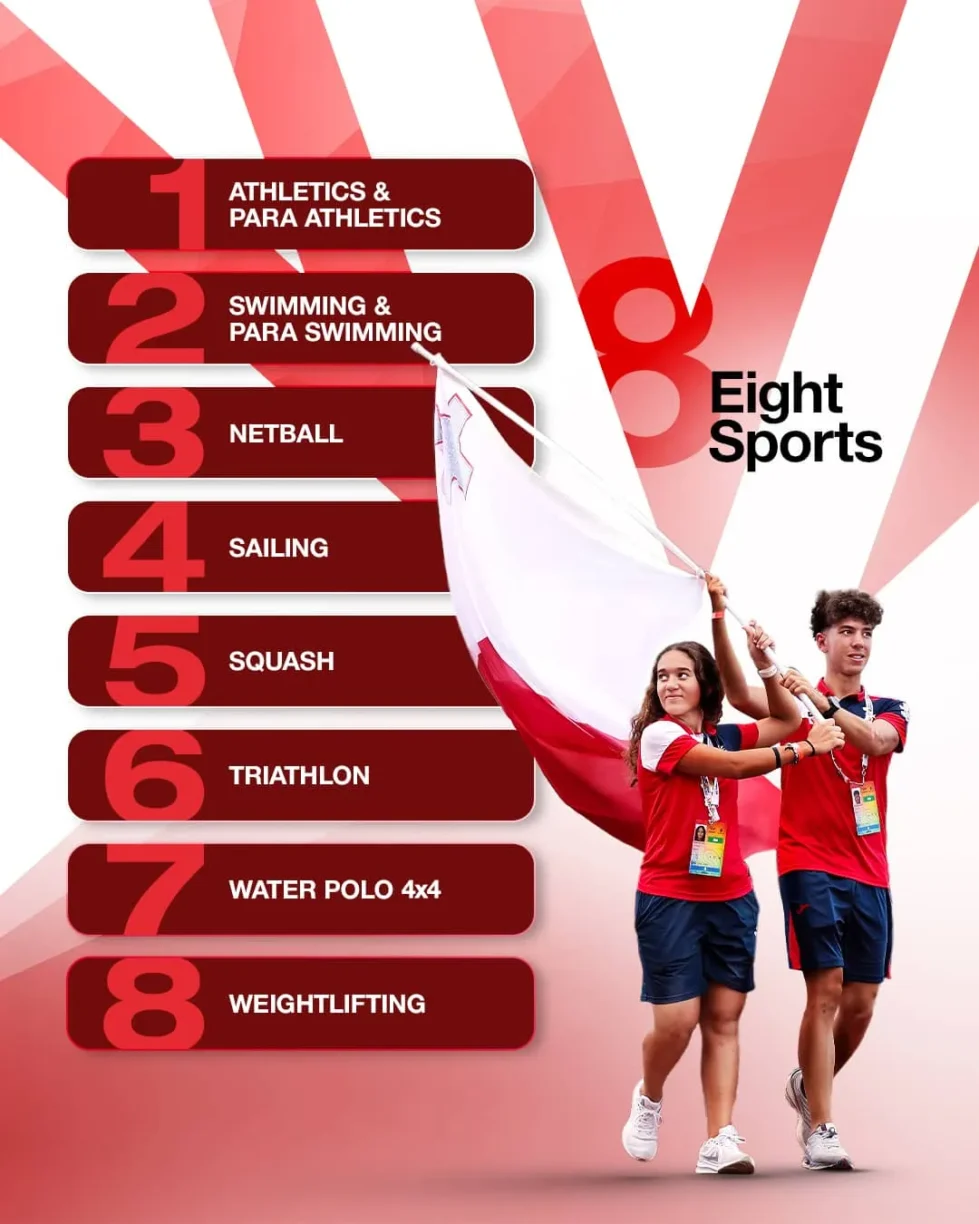
Seven venues across Malta and Gozo will host eight sports, with the competition programme featuring Swimming and Para Swimming, Athletics and Para Athletics, Netball, Sailing, Squash, Triathlon, Water Polo and Weightlifting. That alone gives the 2027 edition a distinctive feel, but there is more beneath the surface.
Malta 2027 will deliver the largest Paralympic sport programme in Commonwealth Youth Games history, a meaningful step forward rather than a token flourish. It also brings in the debut of Sailing and Water Polo, which adds fresh texture to a competition designed to evolve rather than simply repeat itself.
That matters. Youth sport should not feel like a museum exhibit. It should feel alive.
The venues tell the real story
A sporting event is only as convincing as the places in which it unfolds, and Malta has leaned heavily into infrastructure.
Water Polo 4×4 will be staged at Cottonera Indoor Pool, while Tal-Qroqq National Pool hosts Swimming and Para Swimming. Athletics and Para Athletics will take place at Marsa Athletics Stadium, with Squash and Weightlifting at the new Marsa Sports Centre. Sailing heads to Mellieha Bay, Netball to the Gozo Indoor Sports Pavilion, and Triathlon to Marsalforn Bay.
That venue list does two things at once. It gives the Commonwealth Youth Games a practical backbone, and it also shows Malta using geography as part of the event’s identity. Pools, stadiums, indoor arenas and open-water settings give the programme variety, while Malta and Gozo both get to play a real role rather than one island merely borrowing the other’s name for decorative purposes.
The Marsa Sports Complex, inaugurated on 19 January 2026, stands at the centre of that vision. It is part of a broader government investment in sport and is intended to serve both elite competition and local community use. In other words, it is supposed to mean something after the bunting comes down.
The same is true in Gozo, where the new Indoor Aquatic and Sports Pavilion marks a significant development for the island. It will host the Netball competition in 2027 and stands as the first facility of its kind in Gozo, complete with an Olympic-size swimming pool and specialist spaces for different sports. These are not temporary cosmetic upgrades. They are part of a longer game.
Malta wants more than a week in the spotlight
It is easy for host nations to speak about legacy. Less easy to make the case sound credible. Malta’s pitch, though, is rooted in facilities, youth development and international trust.
Speaking about the Commonwealth Youth Games, Commonwealth Sport Chief Executive Katie Sadleir said: “Malta 2027 promises an electrifying and competitive atmosphere, showcasing the home of Maltese sport. World class facilities will provide our young athletes with a truly transformative experience, helping to inspire and develop the stars of tomorrow. We are looking forward to what will be a fantastic Games.”
That phrase, “stars of tomorrow”, is often tossed around until it loses shape. But in the context of the Commonwealth Youth Games, it rings true. This event has always been about progression as much as podiums.
Julian Pace Bonello, President of Commonwealth Sport Malta, said: “Malta has built a proud legacy in organising high-level international sporting events, consistently delivering competitions that meet the highest standards. Hosting the Commonwealth Youth Games in 2027 is not only an opportunity to showcase Malta on the global stage but also a powerful platform to inspire the next generation of Maltese athletes. These Games will leave a lasting impact by motivating young talent, strengthening our sporting culture, and reinforcing Malta’s reputation as a trusted host nation.”
There is a sensible realism in that. Hosting is not just about being admired for a fortnight. It is about being remembered as competent, ambitious and worth returning to.
Investment, infrastructure and a broader sporting future
Malta’s Minister for Sport, Clifton Grima, said: “The Government’s sustained investment in sport over recent years continues to transform Malta’s sporting landscape. From the development and modernisation of facilities to the inauguration of new, world-class venues, we are creating environments where athletes can train, compete, and excel.
The Malta 2027 Commonwealth Youth Games will fully benefit from this vision, utilising state-of-the-art infrastructure that will serve not only the Games but also provide enduring value to local communities and future generations.”
That is the language of policy, naturally enough, but the point is plain. Malta is trying to turn the Commonwealth Youth Games into both a showcase and a catalyst. The best versions of these events do exactly that. They invite the world in, then leave something useful behind.
There is also a degree of timing involved. International sport has become increasingly competitive in the bidding and hosting space. Nations do not just want events. They want events that align with economic confidence, youth development, tourism visibility and civic pride. Malta’s planning suggests it is alive to all of that.
Why these Games still matter
The Commonwealth Youth Games were first staged in Edinburgh in 2000, created as a platform for young athletes across the Commonwealth to experience major international competition and begin the climb toward senior-level sport. More than 6,000 athletes have competed in the event’s history since then.
That heritage is important because youth multisport events can sometimes be dismissed by people who only pay attention once medals come with television glare and larger cheques. That misses the point entirely. These competitions are often where athletes first learn the rhythm of elite preparation, the strain of expectation, the odd loneliness of shared accommodation, and the realisation that talent alone is only the start.
The last edition in Trinidad and Tobago in August 2023 was the largest yet. Malta will now attempt to build on that momentum while adding its own identity to the event through a broader Para sport programme and two new disciplines.
A former participant knows the value
Kai Azzopardi, a Trinbago Commonwealth Youth Games participant and the athlete behind Malta’s highest-placed finish at the 2023 Games, understands better than most what this stage can offer.
Kai Azzopardi, Trinbago Commonwealth Youth Games Participant, said: “Competing at the Commonwealth Youth Games in Trinidad and Tobago was an incredibly valuable experience in my development as an athlete. The level of competition, the international environment, and the opportunity to perform on such a stage provided exposure that is difficult to replicate elsewhere.
Events like these are vital for young athletes, not only to benchmark themselves against top peers but also to gain confidence, resilience, and a deeper understanding of what high-performance sport demands. Malta 2027 will be a unique opportunity for many emerging athletes to benefit from that same experience.”
That is as clean an argument as you will find for the value of the Commonwealth Youth Games. Not everything in sport can be measured by medals won or records broken. Sometimes, the important thing is what a young athlete learns when the noise is louder, the field is stronger, and the standard is suddenly no respecter of reputation.
Malta 2027 now has shape, purpose and pressure
Malta will enter 2027 hoping not only to host well, but to compete well too. The host nation’s best result at Trinbago 2023 came through Azzopardi’s fourth-place finish in the men’s individual super sprint triathlon, and there will be understandable interest in whether home ground can help nudge Maltese athletes onto the podium.
That, however, is the later story.
For now, the important thing is that Malta has given the Commonwealth Youth Games something every major event needs long before the first whistle or starting gun: definition. There are dates, venues, strategy and ambition. There is a sense of scale without pomposity. And there is a clear effort to ensure the Games serve not just a global audience for one week, but local athletes and communities long after the closing ceremony has packed its bags.
The great trick in hosting a sport is to make a country feel larger than its map. Malta may well manage it.