Nutritionist explains Christmas ‘food coma’: turkey, carbs, blood sugar, hormones and alcohol—plus three tips to stay alert.
Christmas Day is Britain’s annual endurance event: a long, glorious stretch of eating that starts with “just a little something” and ends with you negotiating with a waistband that’s seen better days. And with us all spending an average of £150 on food and drink during the festive period, plenty of us will meet the Christmas food coma head-on — usually face-first into a cushion.
After one too many roast potatoes and that “tiny” second helping of Christmas pudding, the inevitable happens: the sofa starts whispering your name like a siren and your eyelids put in a transfer request to the back of your head. But what’s actually causing that instant exhaustion — and is it a genuine medical concern?
Helen Ruckledge, Registered Nutritionist at Mattress Online, says the post-lunch slump has a proper name and a proper explanation.
This phenomenon—popularly known as a ‘food coma’ is a recognised state. The Oxford English Dictionary defines a food coma as ‘the state of drowsiness or lethargy experienced after eating a large meal’, whilst scientists use the term ‘postprandial somnolence’ to describe that unmistakable state of drowsiness when you put down your knife and fork.
So yes: it’s a thing. No: you’re not “just lazy.” You’re simply experiencing Christmas in its most traditional form — ambitious eating followed by horizontal reflection.
What causes the Christmas Day crash?
Helen breaks it down into four main suspects — and none of them are your willpower.
1) It’s not “all the blood going to your stomach” (at least, not like that)
For years, the popular story was that digestion steals blood from your brain, leaving you sleepy. But that tidy little myth has been challenged.
Historically, it was suggested that food comas were caused by blood flow being diverted to digestion, causing a reduction in blood flow to the brain and thus sleepiness. More recently, this has been challenged because maintaining the flow of the blood to the brain appears to take priority in a wide range of physiological states.
In other words: your brain doesn’t get starved of blood just because you’ve declared war on the roasties. The slump is more complicated — and more hormonal.
2) Turkey + carbs can nudge your brain toward “sleep mode”
Turkey is the headline act, but it’s the supporting cast — the carbs — that really sets the scene.
Foods containing the essential amino acid tryptophan may contribute to sleepiness after eating because they help your body make melatonin and serotonin, both of which play roles in regulating sleep. It’s found in abundance Christmas dinner staples like turkey, nuts and cheese!
Eating carbohydrates with these foods, like roast potatoes and Christmas pudding, allows the brain to take up more of the amino acid tryptophan, possibly adding to that sleepy feeling.
Translation: turkey brings the ingredients, and the potatoes roll out the red carpet. If you’ve ever felt the Christmas food coma arrive right as you put your fork down, this is one of the reasons.
3) The sugar spike… and the later crash
Christmas eating isn’t exactly a gentle, steady drip of nutrients. It’s more like a festive rollercoaster with dessert as the first drop.
It is widely accepted that to function optimally, the body must maintain blood glucose levels within a certain range and levels either side of this range may cause lethargy and fatigue.
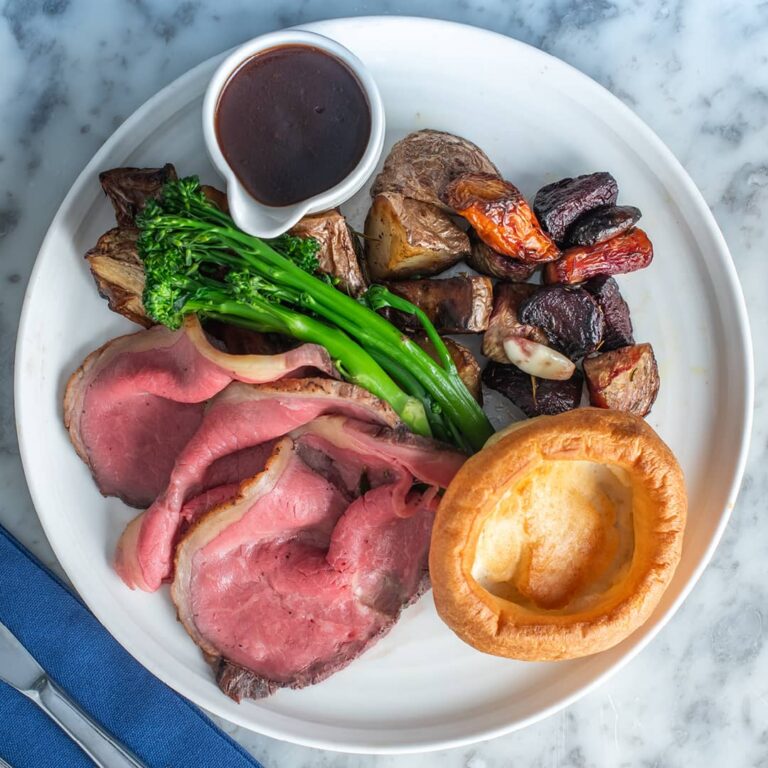
Meals high in carbohydrates and fried, fatty foods (a typical pattern on Christmas Day) are strongly linked to elevated blood glucose. It makes sense that, having eaten chocolate for breakfast, pastry canapés, plus many delicious roasties and dried fruit pudding, your blood sugar is likely to be rising fast, and the pull of the sofa may feel overwhelming!
Then comes the body’s clean-up crew: insulin, which can sometimes pull blood sugar down sharply — leaving you feeling flat and foggy.
Fortunately, non-diabetic people have the ingenious mechanism of regulating high blood sugar by secreting the hormone insulin into the blood. When blood glucose is particularly high, the insulin can bring it down rather dramatically, causing the blood sugar to crash to low levels. Even if it’s not clinical hypoglycaemia, lowered blood glucose may be associated with lethargy in the non-diabetic.
4) Gut hormones: the “full” signal that can feel like fatigue
Your gut doesn’t just digest — it communicates. And after a rich meal, it can send signals that make “rest” feel like the sensible next step.
Gut hormones also play a role in the feeling of satisfaction and fullness after a meal. The hormone Cholecystokinin (CCK), for example, is released in response to fat or protein and is associated with fullness. Studies dating back almost 30 years further suggest CCK is linked with a post-meal slump or drowsiness, but more recent research has not fully clarified this. GLP-1 is another hormone that is associated with fullness; well known from the fat loss medications, they interestingly list drowsiness as a side effect.
So if your body feels like it’s flicked into “do not disturb,” that may be biology — not lack of festive spirit.
Bonus culprit: alcohol, the sneaky multiplier
If you’re chasing Christmas dinner with Christmas drinks, the slump can go from mild dip to full-blown shutdown. Alcohol can dent sleep quality the night before, dehydrate you, and add a sedating layer on the day itself.
“Visiting the local pub on Christmas Eve is likely to mean less restorative sleep going into the big day itself, as alcohol can disturb sleep quality and cause dehydration, both of which are associated with fatigue. A boozy Christmas Eve is therefore likely to contribute to a snoozy Christmas Day.
The sedating effect of alcohol can make the slump even stronger, so if you compound last night’s drinks with a morning sherry, followed by ‘chef’s perks’ whilst cooking, topped off with copious amounts of wine with the meal, you’ve got the perfect recipe for an afternoon lie-down.”
How to reduce the Christmas food coma (without turning into the fun police)
This is the part everyone wants: practical moves that help you feel human again, while still enjoying the day. Helen’s top three are simple, realistic, and blessedly un-preachy.
Tip 1: Build fibre in early (it slows the sugar rollercoaster)
“Add Fibre: As well as being great for the gut and digestion, fibre also slows the rate of sugar absorption into the blood, lessening the sugar rollercoaster effect. It is surprisingly filling, so you may be less likely to overeat sugary foods later. To increase fibre, try piling your plate with the wonderful, colourful veg on offer first, then balance the fatty, carb-heavy roasties on top. There’s only so much room on your plate, and if most of it is veg, winner winner, turkey dinner.
Tip 2: Move a little (a short stroll beats a long struggle)
“Move a Little: Light intensity exercise after meals helps balance the blood sugar, stimulates digestion and increases alertness, so a short stroll before your bottom hits the sofa is also a good idea[9].
Tip 3: Hydrate like it’s your job (because fatigue loves dehydration)
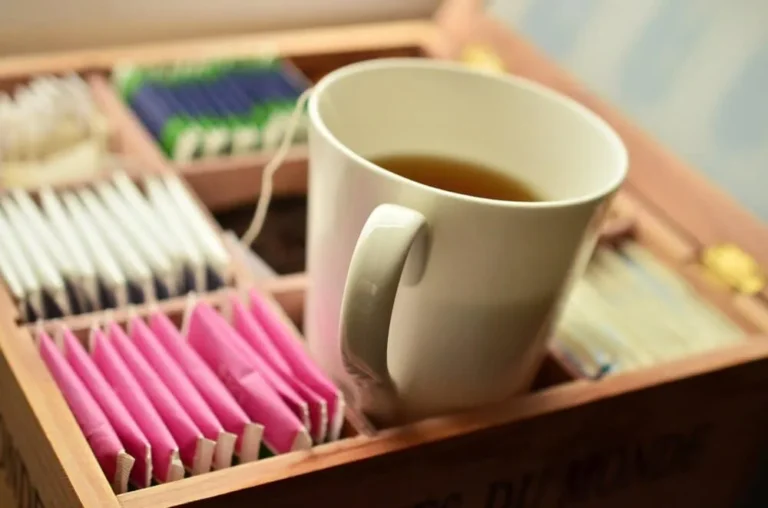
“Keep Hydrated: If you want to remain more alert, try rehydrating throughout the day as much as possible. Consider serving sparkling water with wine at the table, or I can recommend drinking decaf tea (together with fizz) whilst cooking! “
And if the nap still calls? Sometimes the correct answer is… nap
Here’s the honest truth: you can do everything “right” and still feel that familiar tug of the sofa. Christmas is unusual. The day is long. The meal is big. The pace is odd. And, occasionally, the most sensible recovery strategy is to stop fighting it.
“Christmas is not a time to obsess over nutrition; the social aspect and enjoyment of food are so important. Indeed, this is true every day of the year. On Christmas Day, if you throw yourself into a festive ‘food freedom’ mindset, it may be that an afternoon nap is just what you need to restore brain functionality. So, if your bed or sofa is calling after your Christmas lunch, then consider embracing it and enjoy snuggling up!”
So yes — reduce the crash where you can. But if the Christmas food coma still lands like a heavy blanket at 3 pm, you’re not failing. You’re participating in one of Britain’s most time-honoured traditions: the tactical festive snooze.