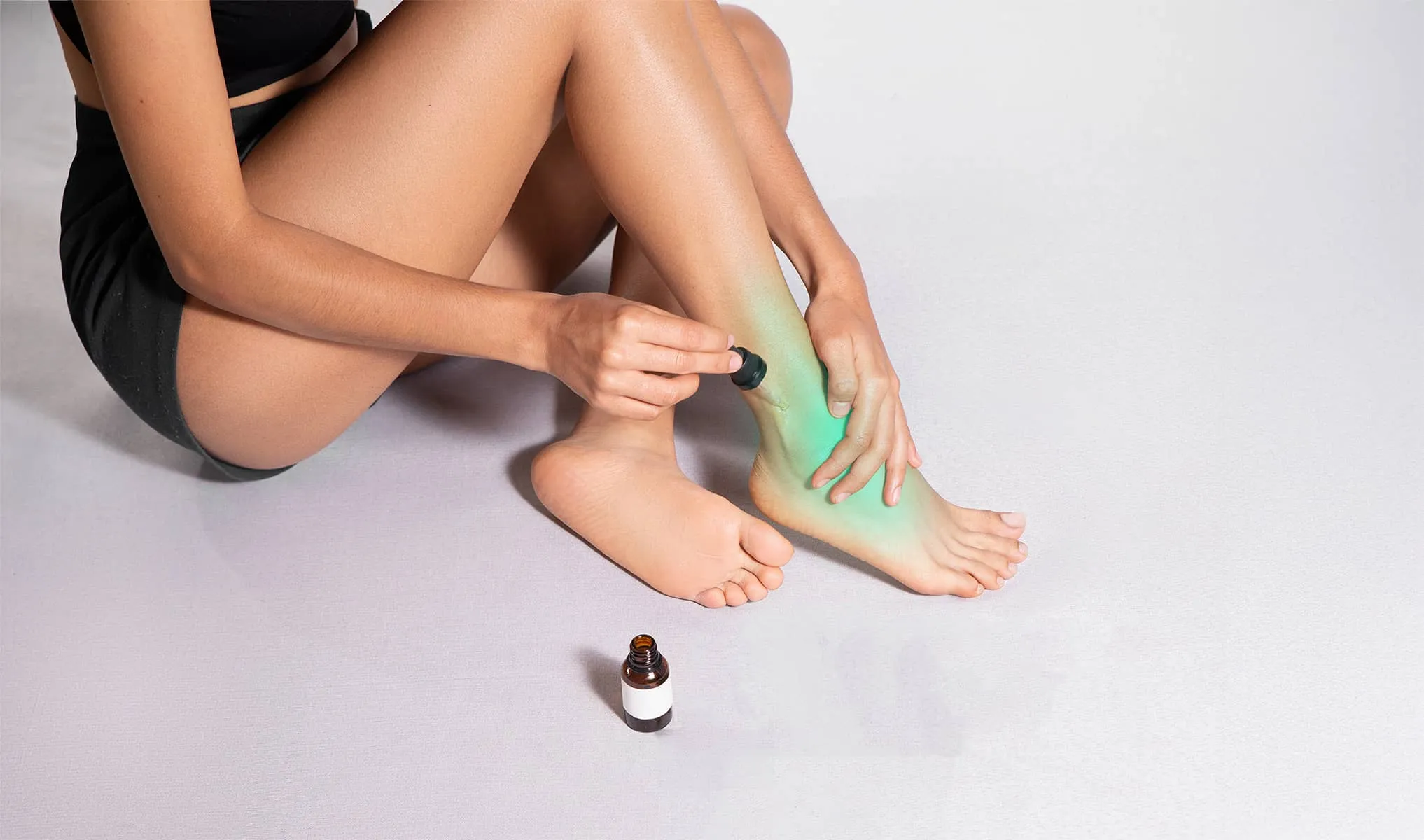
CBD isn’t a miracle recovery tool. Learn the UK laws, anti-doping risks, and safety rules athletes must follow.
If you’re grinding through training sessions and waking up feeling like you’ve been hit by a small bus, recovery becomes the Holy Grail. That’s where CBD for athletes enters the conversation—promising relief, but often delivering more questions than answers.
The truth? CBD isn’t a miracle, the science is mixed, and the legal and anti-doping pitfalls can trip you faster than a dodgy hamstring.
Here’s the unvarnished breakdown.
What the Law Really Says
In UK Law, CBD is sold as a food, not a medicine. The MHRA’s position is blunt: “make medical claims and your product becomes a medicine, which then needs a marketing authorisation.” That’s why most high-street bottles of CBD oil can’t legally claim to treat pain, inflammation, sleep, or anxiety.
The Food Standards Agency (FSA) also keeps a close watch. Their advice? Healthy adults should stick to a maximum of 10 mg of CBD per day from foods. Under-18s, anyone pregnant or breastfeeding, those trying to conceive, or people on medication should avoid it altogether.
And forget the old “0.2% THC” line you’ve probably seen online. That relates to hemp farming, not finished products. For consumers, the UK uses an “exempt product” rule: no more than about 1 mg of controlled cannabinoids per container. The Home Office has clarified that this applies per cannabinoid per container—and proof typically relies on testing by an ISO/IEC 17025-accredited (UKAS) lab; use accredited labs wherever possible.
Crucially: the “exempt product” carve-out is narrow. The product must not be designed for the administration of a controlled drug, and the Home Office treats exempt status case-by-case. In short, “exempt” is not a blanket shield for retail CBD.
On top of that, the FSA has now flagged a safe upper limit for THC in foods at just 0.07 mg/day—brands are being pushed to reformulate accordingly.
Doping Risk: Read This Twice
The World Anti-Doping Agency (WADA) doesn’t prohibit CBD itself. But THC and most other cannabinoids remain firmly on the banned list, with a urinary threshold of 150 ng/mL. If you test positive, strict liability applies. As UK Anti-Doping puts it: “I thought it was THC-free” won’t save you.
That’s because contamination is a real problem. Even trace THC from “full-spectrum” CBD or sloppy manufacturing can be enough to flag a test. UKAD tells athletes to treat all supplements as “use-at-your-own-risk” and to document everything.
Bottom line? If you’re in a testing pool, the only truly safe play is to avoid CBD entirely. If you insist, skip “full-spectrum” products, ignore old certification claims, and keep meticulous records of what you buy.
Product Quality: The COA Test
There’s one golden rule: COA or don’t buy. That means a batch-specific Certificate of Analysis from an independent lab—use ISO/IEC 17025-accredited (UKAS) labs wherever possible.
The COA should list the full cannabinoid profile and screen for heavy metals, pesticides, residual solvents, and microbes. Cross-check the label claims against those lab numbers. Confirm the total THC across the entire container stays below the UK’s ~1 mg limit. Then, save every PDF or screenshot with dates.
Formats You’ll See
Isolate (0% THC by design): Just CBD. Lowest risk if made properly, but never zero-risk.
Broad-spectrum: Other hemp compounds retained, THC removed. Some swear by the “entourage” effect; check the COA carefully.
Full-spectrum: Legal trace THC included. If you’re subject to testing, avoid it.
And remember: none of these should be sold with medical claims unless they’re licensed medicines.
What the Science Actually Says
Pain & recovery: The jury’s out. Some trials show no meaningful benefit over placebo, others show modest effects. This isn’t settled science.
Performance: Don’t expect CBD to shave seconds off your times—human trials show little to no direct effect on exercise physiology.
Side-effects & interactions: CBD can cause sleepiness, upset stomach, and even liver-enzyme changes. It also interferes with medications in the same way grapefruit does. If you’re on prescriptions, speak to your doctor.
If You Still Want to Try CBD
- Doctor first. Especially if you’re on prescription medication.
- Respect the cap. Stay at or under 10 mg CBD/day (FSA advice).
- Choose isolate or verified THC-free broad-spectrum. Avoid full-spectrum.
- Confirm container legality. Ensure controlled cannabinoids ≤ ~1 mg per pack and remember exempt status is case-by-case.
- Do your homework. Keep receipts, batch numbers, COAs, and screenshots—UKAD expects “thorough internet research.”
Verdict for Athletes
If you’re tested: the cautious path is to avoid CBD altogether. Contamination happens, strict liability applies, and the 150 ng/mL THC threshold won’t protect you if you trip it. As UKAD and USADA repeatedly stress, “I thought it was THC-free” is not a defence.
If you’re not tested and still curious: the safest route is to keep it modest and disciplined. Stay at or under 10 mg CBD/day (FSA advice), pick isolate or verified THC-free broad-spectrum products, and demand batch-specific COAs from ISO/IEC 17025-accredited (UKAS) labs wherever possible.
Check THC content across the entire container and make sure your total intake remains below the 0.07 mg/day THC cap now set in UK food law. Keep receipts, batch numbers, and screenshots, and stop if you notice side effects such as drowsiness or GI upset.
As for “certification,” Informed Sport does not certify CBD products, despite what some marketing still claims. Other third-party schemes exist, but they only reduce risk—they don’t eliminate it, and they don’t override WADA rules.
Short version: for athletes eyeing the UK’s best CBD oil, it isn’t a magic fix. If you’re in a testing pool, the only zero-risk move is to abstain.
For everyone else, if you still plan to try it, treat it like any other supplement—be sceptical, be cautious, and keep your paperwork in order.