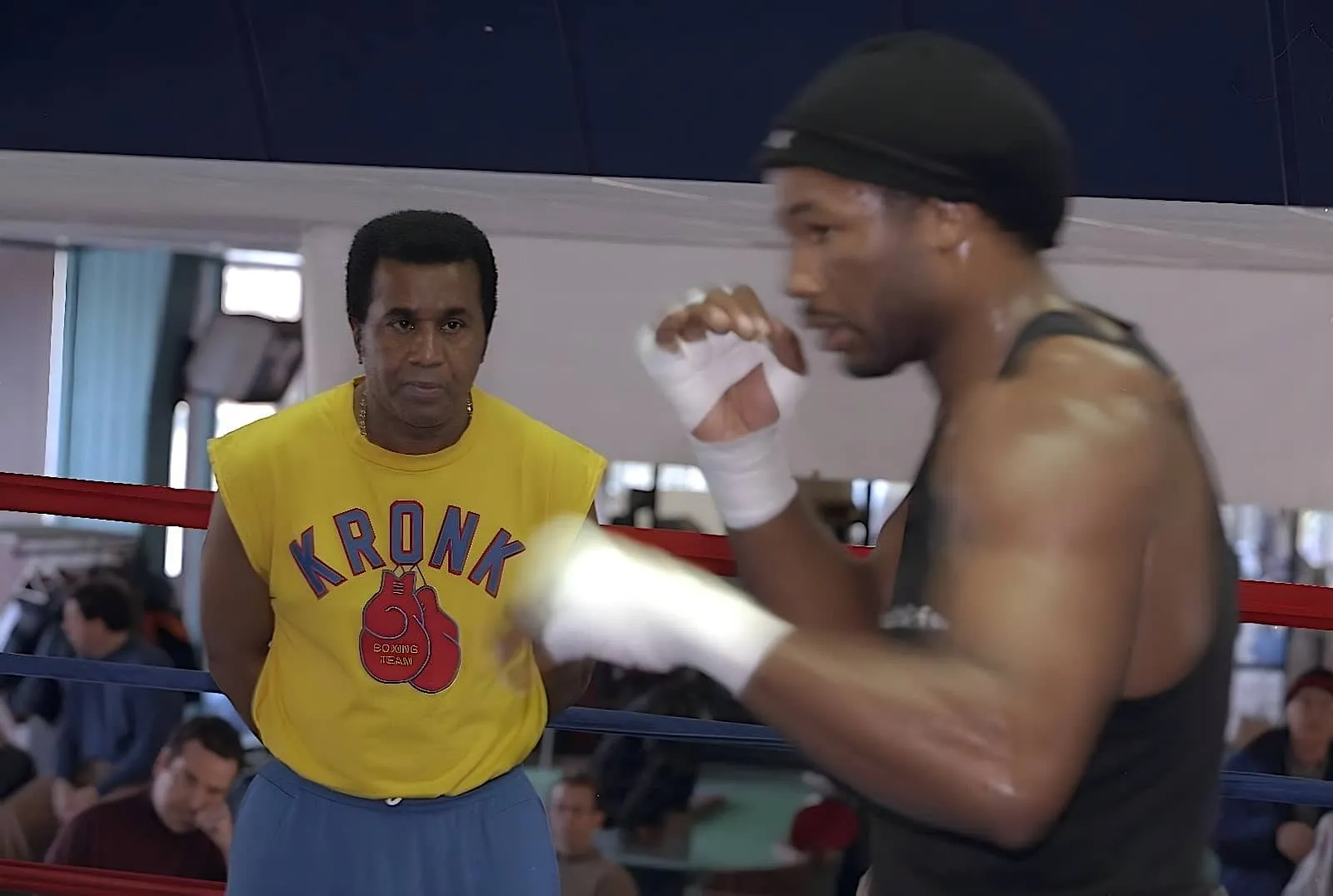
Boxing News and KRONK unite in a heritage-rich partnership built on storytelling, legacy and boxing’s most famous gym.
There are partnerships in sport that feel like a spreadsheet in a blazer, and then there are those that make immediate sense. The new boxing alliance between Boxing News and KRONK Boxing Gym falls firmly into the second category: one of the sport’s oldest and most respected chroniclers linking arms with one of its most mythic institutions. It is a meeting of archive and aura, of ink and sweat, and for fight fans it promises a closer look at the stories that helped shape the sport’s hard-edged romance.
This is not some flimsy marketing handshake dressed up in heritage language. Both names carry proper weight. Boxing News, first published in 1909, has spent more than a century documenting the sport’s triumphs, disasters, eccentrics and emperors. KRONK, meanwhile, is not merely a gym but a shrine in Detroit brickwork, a place whose name still lands with the force of an old right hand.
A natural fit built on boxing history
The partnership has been announced as a landmark move designed to bring supporters nearer to the legacy both brands have cultivated over decades. In plain terms, that means iconic photography, deeper storytelling, rare video content and a more deliberate mining of boxing’s rich past. Given the appetite for nostalgia in modern sport — especially nostalgia with substance rather than sepia-filter nonsense — the timing is sharp.
Director of Boxing News, Jordan Pollock, said: “KRONK Gym represents the heart and soul of boxing history. Through this partnership, Boxing News is proud to bring millions of fans closer to that legacy than ever before – sharing the iconic photos, untold stories, and powerful video moments that were forged inside the world’s most famous gym.”
That last phrase matters. KRONK has long been spoken about in tones usually reserved for cathedrals and coliseums. It is woven into the mythology of prizefighting not simply because champions passed through it, but because it stood for a certain kind of boxing education: hard, disciplined, technically sharp and entirely unbothered by softness.
Why KRONK still matters
Emanuel Steward established KRONK Boxing Gym in 1971, and from there the place became one of the defining engines of world boxing. The alumni list reads like a roll call from a particularly unforgiving hall of fame: Thomas ‘Hitman’ Hearns, Lennox Lewis, Wladimir Klitschko, Michael Moorer and Gerald McClellan among them. These were not incidental visitors. They were fighters shaped by the KRONK method, polished by its routines and, in many cases, transformed by Steward’s eye.
That history is what gives this new boxing partnership its heft. KRONK is not trading on a logo alone. After two closures since 2006, the gym reopened in December 2025 at the Brewster Wheeler Recreation Center on Wilkins Street in Detroit. So this is not just about preserving the past in amber. It is also about documenting a revival.
KRONK CEO Paul Bhatti said: “Boxing News has been one of the most respected voices in the sport for decades, documenting the biggest fights and the greatest champions. I’m pleased to welcome them as an official media partner of KRONK®. It’s a natural fit given our shared history in the sport and our commitment to boxing at every level. We are very excited about this partnership”
The appeal here is obvious. Boxing remains one of the few sports where place still matters. Gyms carry meaning. Walls absorb folklore. The ring is only part of the story; the room around it often tells the truth.
Boxing News leans into long-form storytelling
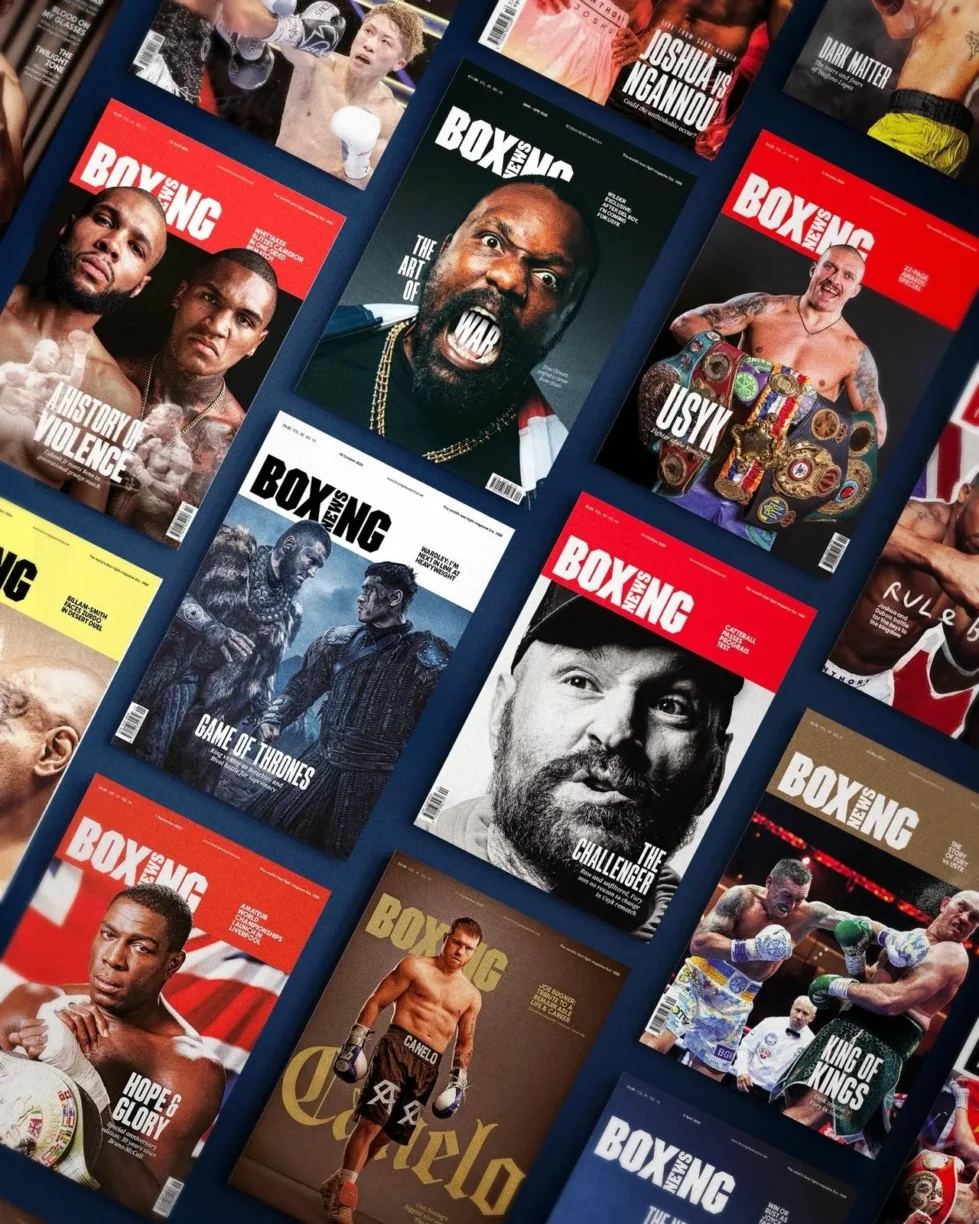
The timing is equally significant for Boxing News. In December 2025, the title published its final weekly issue before shifting to a monthly format. That is less a retreat than a tactical adjustment. Weekly print cycles can sometimes feel like sprinting through a museum with a torch. Monthly publishing, by contrast, gives space for proper narrative, considered reporting and the kind of long-form features that boxing, of all sports, tends to reward.
It also arrives with clear momentum on the digital side. On March 5, 2026, Boxing News reported that since January 1, 2026, it had gained 262 million views, 268,000 new followers and reached 54 million people. Those are serious audience numbers, and they suggest this partnership is not merely sentimental; it has commercial reach, editorial scale and a ready-made audience for retro boxing content, documentary-style features and heritage storytelling.
That combination of old-school authority and modern digital traction could prove potent. There is a broad audience for archival sports storytelling when it is done properly — not as museum-label filler, but as living context for the present.
More than nostalgia, this is a platform
KRONK COO John Lepak said: “Partnering with Boxing News creates a powerful platform to celebrate our past, present, and future. Through this partnership, Boxing News will work alongside KRONK to amplify stories, fighters, and the continued revival of the legendary Detroit brand. The next chapter of the KRONK legacy continues.”
That word — platform — is doing a lot of work, and rightly so. The announcement points toward a one-off monthly magazine dedicated entirely to KRONK, which should intrigue anyone with even a passing interest in the sport’s architecture of greatness.
A gym-themed issue could easily become indulgent nonsense in the wrong hands. In the right hands, it becomes an excavation of influence: trainers, fighters, routines, turning points, forgotten details and the strange, stubborn chemistry that makes one place matter more than another.
There is also a broader lesson here for boxing media. The sport’s greatest asset is not just what happens on fight night. It is the web of culture around it — gyms, mentors, neighbourhoods, rituals, inherited wisdom, stories half-lost in old photographs. A partnership like this has the potential to capture those layers with real authority.
What this partnership means for boxing fans
For readers and viewers, the appeal lies in access and texture. There will be no shortage of content in modern boxing, but much of it is fast, disposable and forgotten before the hand wraps come off. What Boxing News and KRONK are proposing feels more durable. Fans want untold stories. They want context. They want to understand why KRONK became KRONK, rather than merely being told it was important because someone on social media used a flame emoji.
This collaboration should also help introduce younger audiences to the gym’s legacy without talking down to them. That matters. Every sport eventually has to teach its own history again, and boxing does not always do that elegantly.
A partnership with proper weight behind it
There is something pleasingly symmetrical about this arrangement: a publication founded on the belief that “boxing will stand for good clean sport” teaming up with a gym that came to embody grit, discipline and championship excellence. One kept the record. The other made history worth recording.
In a sporting landscape full of noisy tie-ins and hollow “content partnerships,” this one feels rooted in something more substantial. If Boxing News can bring the same integrity to KRONK’s past and present that it has brought to covering the sport for generations, and if KRONK continues to reopen its doors not just physically but culturally, then this could become one of the more compelling boxing media collaborations of the year.
For fight fans, that means a rare thing: not more noise, but more meaning.