Fermín López and Marc Casadó embrace Catalan Castell tradition before El Clásico as Under Armour unveils Shadow Elite 4.
Ahead of El Clásico, that gloriously unreasonable fixture where Real Madrid and FC Barcelona tend to turn ninety minutes into a national mood swing, Fermín López and Marc Casadó found themselves preparing for pressure in a rather unusual way: by helping build a seven-story human tower in Barcelona.
No cones. No rondos. No GPS bibs. Just bodies, balance, nerve and a very clear understanding that if one person switches off, gravity becomes the opposition’s best player.
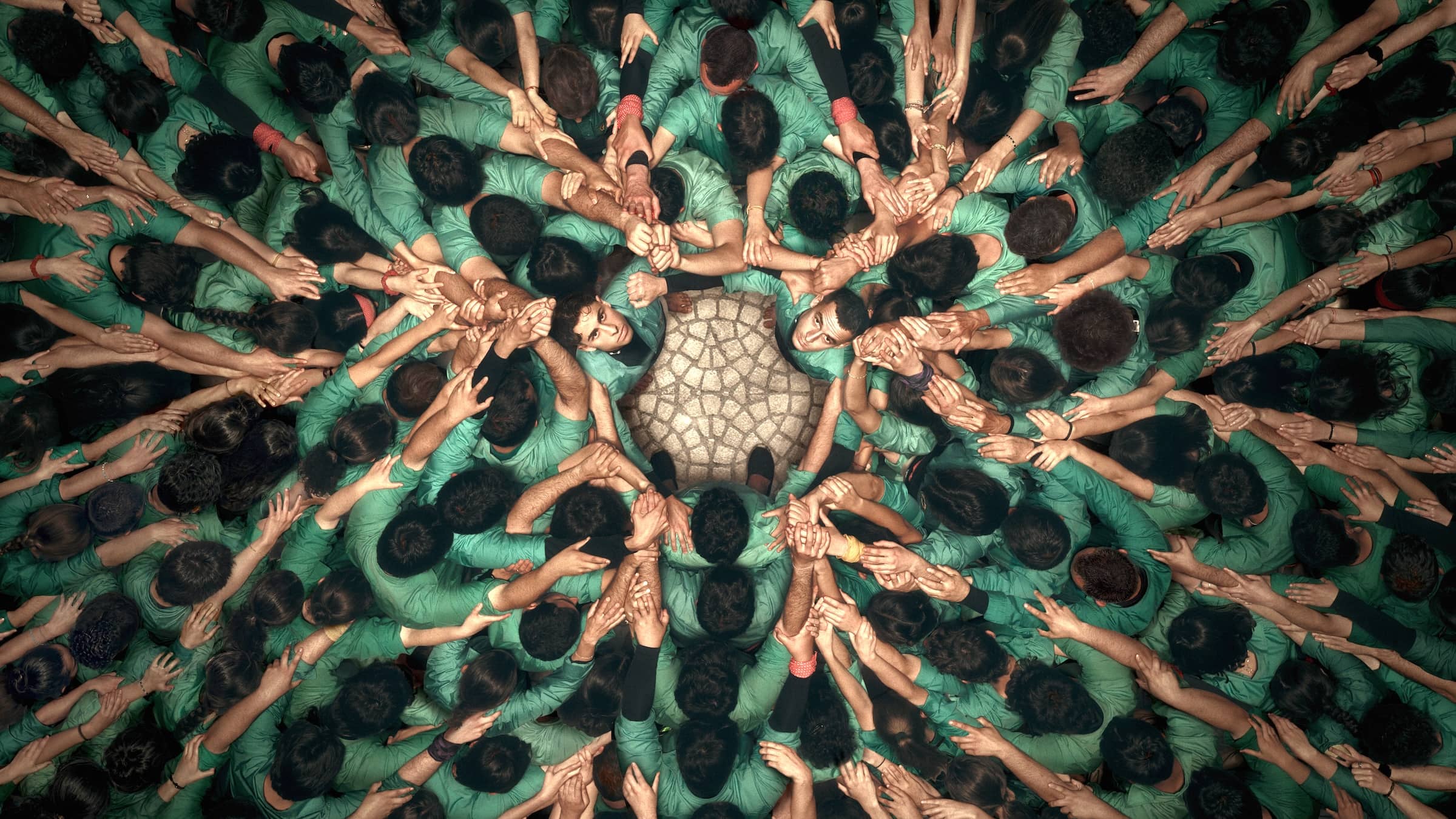
The two La Masia graduates joined the Arreplegats de la Zona Universitària, one of Barcelona’s Castell groups, to take part in a tradition that has been stitched into Catalan identity for more than two centuries. On the eve of facing La Liga title rivals Real Madrid, it was less a publicity stop than a living, breathing metaphor with a heartbeat and sore shoulders.
A Catalan Tradition With El Clásico Written All Over It
The Castell is not simply a human tower. That would be like calling El Clásico “a football match” and leaving it there, as if the Camp Nou and the Bernabéu had been arguing over possession stats rather than history, politics, pride, art, noise and the occasional tactical tantrum.
At its base sits the Pinya, a dense foundation of people locking together so others can rise. There is no room for vanity down there. No celebration reels. No solo sprint to the corner flag. Just trust, weight, discipline and the quiet heroism of making someone else’s climb possible.
For Fermín López and Marc Casadó, both shaped by La Masia’s insistence that the team comes before the ego, the symbolism was not subtle. Barcelona’s academy has always sold the idea that football is architecture: angles, structure, rhythm, support. The Castell simply makes that idea vertical.
Fermín López: Pressure Shared Is Pressure Halved
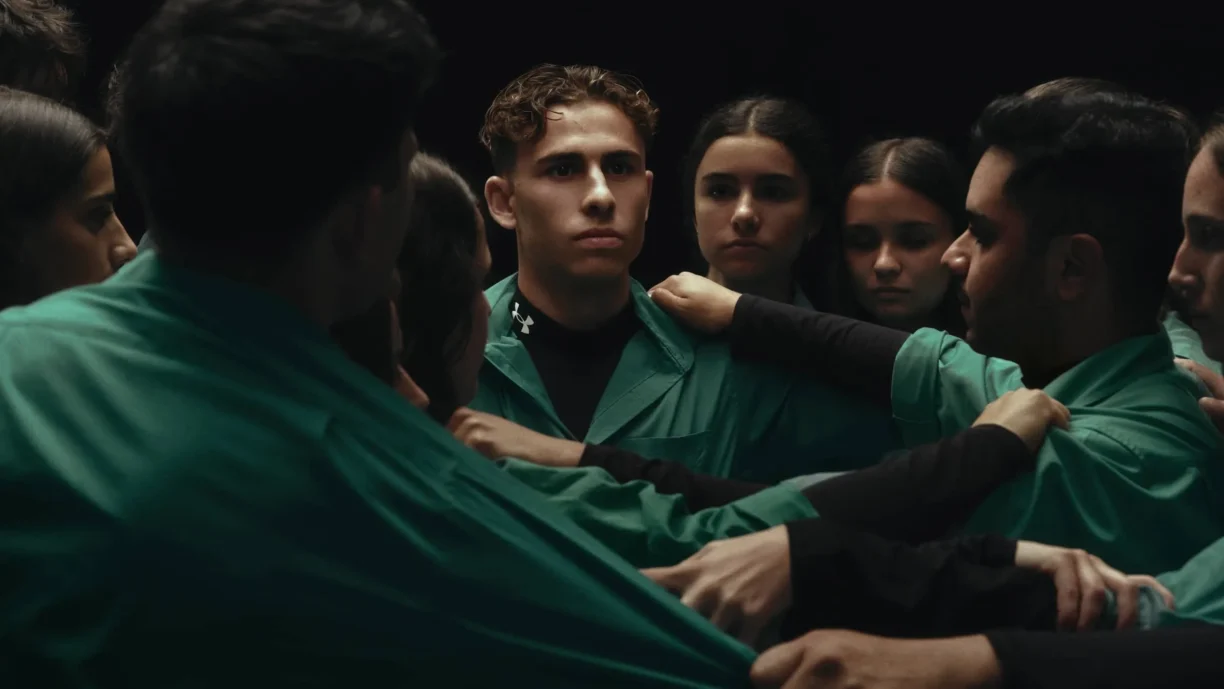
Fermín has already learned that playing for Barcelona means carrying more than a shirt. It means inheriting expectation before you have had time to finish growing into your boots.
“The pressure is real, but it is shared,” said Fermín. “The people at the bottom carry those at the top. That has been my reality from La Masia to the first team. Football is a collective effort, much like being a Casteller. Success is entirely dependent on unity, trust, and the strength of the person standing next to you.”
It is a neat line because it is also true. Barcelona’s best football has never really been about one man doing something daft and wonderful while everyone else watches. Even when the club has been blessed with the sort of players who appear to have been assembled by a higher power with an eye for through balls, the machinery underneath has always mattered.
In El Clásico, that foundation is tested brutally. Real Madrid do not politely ask whether you are ready. They check your pockets, your nerve and your defensive transition before the first quarter-hour has properly drawn breath.
Marc Casadó And The Privilege Of Pressure
For Marc Casadó, the connection runs even deeper. Raised in Sant Pere de Vilamajor, just outside Barcelona, he understands the emotional geography of the club as well as the sporting one.
Marc, who grew up in the village of Sant Pere de Vilamajor, just outside of Barcelona, added: “In Catalonia, pressure isn’t something to fear, it’s a privilege. There is no greater honour than carrying the hopes of this club. Being among the Castellers was a reminder that our strength comes from our roots and our dedication to each other. It’s that same unity we take into El Clásico.”
That last thought lands cleanly. El Clásico has a habit of turning young players into either headlines or footnotes. Casadó’s point is that pressure is not some great beast to be avoided. At Barcelona, it is part of the inheritance.
You do not get to enjoy the badge without accepting the weight of it.
Under Armour’s Shadow Elite 4 Steps Into The Spotlight
There is also a modern performance angle here, because football tradition now tends to arrive wearing something engineered in a lab.
Fermín and Marc, alongside FC Barcelona teammate Ferran Torres, will head into El Clásico wearing Under Armour’s new Shadow Elite 4 boot. It is described as the brand’s most advanced football boot, built for explosiveness and maximum separation.
In practical terms, that means a boot designed for players who need to change direction quickly, create half a yard in traffic and stay composed when the pitch feels as crowded as a rush-hour lift. The soft, cushioned grounding is pitched as a way to help players turn pressure into performance, which is exactly the sort of phrase that sounds like marketing until you remember that elite football is often decided by one sharp movement at precisely the wrong time for a defender.
For Fermín, Casadó and Ferran Torres, the Shadow Elite 4 is not just about speed. It is about control under stress: the first touch when Madrid’s press arrives, the pivot when space closes, the acceleration when a passing lane opens for half a second and then vanishes like a waiter at bill time.
More Than A Photo Opportunity
The smart part of this moment is that the Castell did not feel bolted on. Barcelona and Catalonia are impossible to separate cleanly. The club’s identity has always drawn from something deeper than ninety minutes and a league table.
That is why the image of two young Barça players standing among Castellers works. It speaks to the old and the new at once: La Masia graduates, Catalan tradition, global sportswear technology and the looming theatre of El Clásico.
It also reminds you that young footballers are asked to become finished men in public. One week they are academy prospects. The next, they are expected to look Real Madrid in the eye and behave as if destiny has merely popped round for a cup of coffee.
Barcelona’s Next Generation Must Stand Firm
El Clásico rarely needs extra narrative, but this one comes with a pleasing bit of symmetry. Fermín López and Marc Casadó have been raised in the Barcelona way, sent into the game’s fiercest domestic rivalry, and asked to embody the very thing the Castell represents: trust the base, hold your nerve, climb together.
There will be tactics, of course. There will be pressing triggers, transition management, midfield duels and all the usual forensic post-match inspection. But underneath it all sits something simpler.
Barcelona need their young players to stand tall. Not alone. Not as ornaments. As part of the structure.
And if El Clásico has taught us anything over the years, it is that the side still standing at the end usually had the strongest foundation all along.