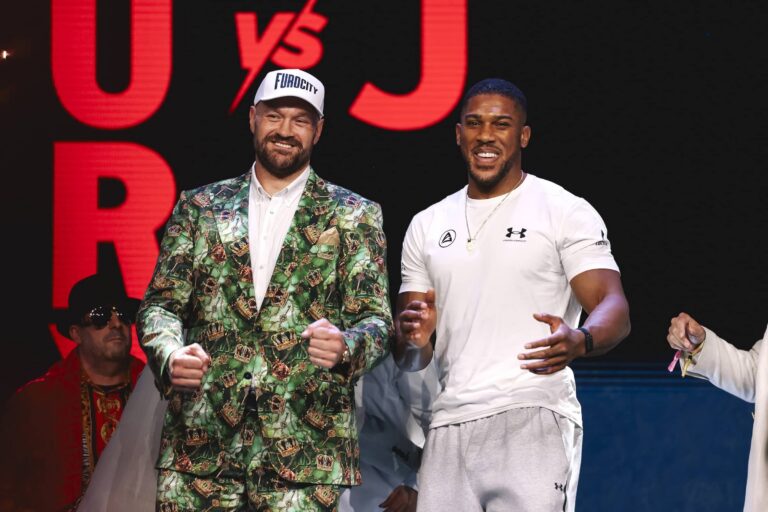
Inside Anthony Joshua’s injury-protection routine: cold therapy, focus, and recovery in Spain before fight night.
If you want to understand how Anthony Joshua protects himself from injury in the final, twitchy miles before a fight, don’t just look at the sparring footage or the pad work. Look at what happens after the noise. In Spain, in camp, with fight week looming this evening Friday, 19 December 2025, Joshua’s preparation leans heavily on recovery—specifically, cold exposure—because heavyweights don’t get paid for “nearly fit.”
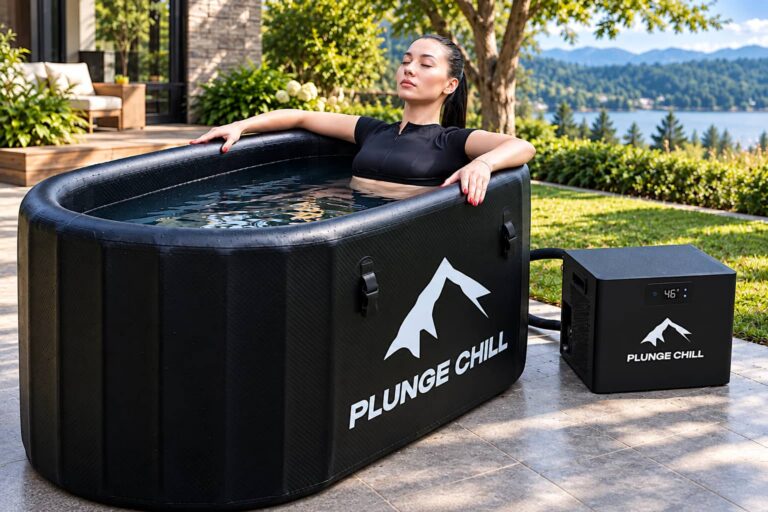
The public sees the sledgehammer. Camp lives with the fine china. Every hard session is a negotiation with the body: push enough to sharpen the blade, not so much that something snaps. And that’s where Joshua’s routine gets quietly disciplined. A portable cold water therapy system—Monk Nomad & Shiver—has followed him to camp, the sort of practical kit decision that screams one thing: stay ready, stay intact.
The quiet war: protecting the body before fight night

Injury prevention in boxing isn’t glamorous. It’s unromantic, repetitive, and—done properly—borderline boring. Which is exactly the point. You don’t “wing it” when you’re trying to keep muscles fresh, joints moving, and soreness from turning into something nastier.
Cold exposure is widely used by athletes as part of recovery routines, and the general thrust of research and practitioner observations is consistent: cold water immersion can help reduce muscle fatigue and stiffness, decrease exercise-induced muscle damage, and improve how recovered you feel after punishing sessions—useful when the next day’s work is non-negotiable.
Spain, sweat, and a tub that travels
According to the release, Joshua—two-time world heavyweight champion and an investor in Monk—has brought Monk Nomad & Shiver to his training camp in Spain. The appeal is obvious: when you’re moving between home, camp, and the countdown to a high-profile night, the best recovery plan is the one you can actually stick to.
Consistency is the real “secret weapon” here, not the novelty. Recovery only works when it’s done often enough to matter.
What cold water immersion is (and what it isn’t)
Let’s keep it straight. Cold water therapy isn’t a magic shield that makes you invincible. It’s a tool—one that can be used well or used badly.
Used well, it can support the grind of camp by helping manage post-session heaviness and stiffness, and by improving perceptions of readiness. Monk’s own insights—referencing emerging research with powerlifting athletes—suggest regular cold exposure may help the body bounce back faster and with more control, supporting neuromuscular recovery and overall readiness for what comes next.
That matters in boxing because the next session always comes next.
Recovery as a skill: stiffness down, readiness up
The injury-protection angle is simple: when fatigue and tightness pile up, mechanics get sloppy. When mechanics get sloppy, you start loading tissues in ways they don’t appreciate. Cold exposure sits in that middle ground—supporting the “back end” of camp so the “front end” can stay sharp.
Joshua’s routine isn’t presented as a replacement for the fundamentals (sleep, nutrition, mobility, load management). It reads more like an additional layer—one more habit that keeps the body behaving when the workload ramps up.
The mental edge: calm under pressure
And then there’s the part fighters rarely say out loud: the mind can injure the body too. Rush decisions, chase rounds, ego-led sparring—those are fast tracks to trouble. Cold exposure, in Joshua’s case, is positioned as a discipline that forces composure when discomfort shows up.
“For me, ice baths are about mental resilience as much as they are physical recovery. Monk is a wellness innovation that helps me be a better athlete and human. In Monk there’s no crowd, no opponent, no noise. Just my will to withstand, to adapt, and overcome. The cold is where I find what I’m really made of.” says Anthony Joshua.
That’s not a marketing line a fighter chooses by accident. It’s a training principle: practice calm, so you can spend it when it counts.
The company line—and the wider point
Laura Fullerton, Founder and CEO of Monk, frames the same theme in plainer terms: recovery isn’t something that happens to you; it’s something you do on purpose. “Monk was built around the idea that recovery isn’t passive – it’s a practice. Seeing Anthony integrate cold exposure so consistently, both at home and in camp, reflects exactly why we created Monk: to support people who take their performance, focus and resilience seriously, wherever they are in the world.”
Whether you’re a heavyweight in camp or someone trying to train four days a week without your knees filing a complaint, that last line lands. The old-school truth still holds: the best athletes aren’t the ones who can go hardest once—they’re the ones who can come back and do it again.
The takeaway for everyday athletes
If you’re borrowing from Anthony Joshua without living in his world, borrow the principle, not the hype:
- Prioritise repeatable recovery over heroic one-offs.
- Treat calm like training—discomfort is practice, not punishment.
- Stack the basics first (sleep, nutrition, mobility), then add tools like cold exposure if they help you stay consistent.
Fight week is loud. The smart work is quiet. And if Joshua turns up healthy, sharp, and composed on Friday, don’t be surprised if the most important rounds were won in a tub—when nobody was watching.