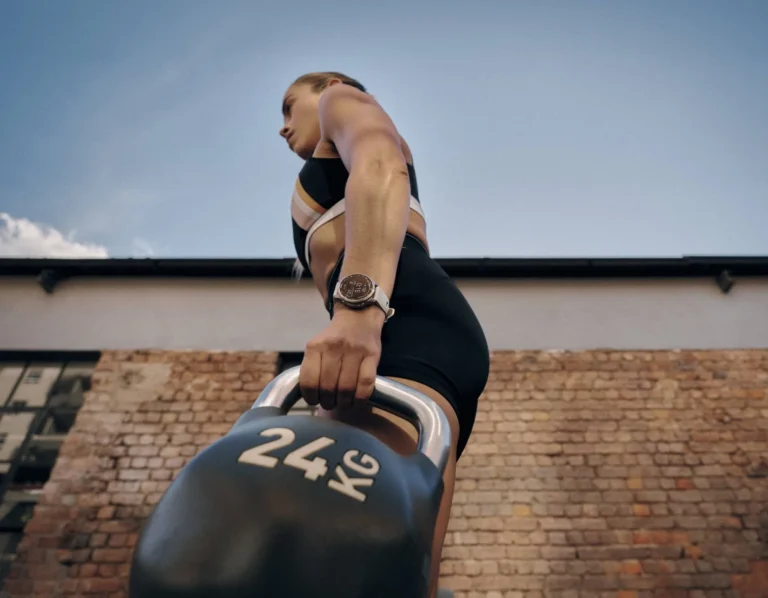
Find out how Amazfit Smartwatch ambassadors leverage cutting-edge technology to boost their performance and training routines.
Amazfit is starting to look like one of the more interesting names in wearable tech, not because it shouts the loudest, but because it keeps turning up with sensible features, serious athlete backing and prices that do not require a minor bank loan. When tennis star Jasmine Paolini, HYROX champions Meg Jacoby and Hunter McIntyre, padel ace Bea González, and Olympians Morgan Pearson and Yemaneberhan “Yeman” Crippa all strap into the same ecosystem, you pay attention.
That is not a celebrity parade for the sake of it. It is a fairly clear signal that Amazfit has moved beyond being the cheaper option in the room and into something more dangerous for its rivals: a credible one.
For anyone who trains regularly, whether that means chasing a personal best, surviving a HYROX session, or simply trying to stop their recovery habits resembling a pub closing time, the pitch is straightforward. Better data. Better battery life. Better day-to-day usefulness. All without the sting that often comes with premium wearable tech.
A brand that understands what athletes actually need
The smartwatch market has plenty of polished glass, glossy promises and enough metrics to make your head spin like a range bucket on a windy driving range. What separates the good from the forgettable is whether the information helps you train better or merely gives you another graph to ignore.
That is where Amazfit appears to be finding its groove.
The attraction is not one single feature. It is the combination of recovery tracking, heart-rate monitoring, sleep data, stress insights, navigation tools and long battery life, all wrapped in devices built for different kinds of users. Some want a sleek watch for work and workouts. Others want something that looks like it could survive a mountain, a mud bath and a poorly judged weekend adventure.
Amazfit, to its credit, seems happy serving both camps.
Bip 6 is the sensible standout
The Amazfit Bip 6 looks like the practical one in the family, and practical is badly underrated. Freshly launched in Madrid, it arrives with a 1.97-inch AMOLED display that should be easy to read in bright daylight, on the move, or through the sort of gym sweat that turns everything into abstract art.
The real lure, though, is battery life. Two weeks is the kind of promise that immediately makes people listen, because nobody buys a fitness watch dreaming of another charging cable.
There is substance beyond that. Heart-rate and stress monitoring give users live feedback during training and throughout the day. More than 140 workout modes means it can cope with everything from tennis and trail running to the sort of session that leaves you questioning your life choices by minute 17. Offline navigation adds another layer of usefulness, especially for runners and outdoor athletes who like variety but would prefer not to end up in the wrong postcode.
In real-world terms, the Bip 6 shapes up as the accessible all-rounder. It is built for people who want useful health and training data without a steep learning curve or a premium price.
Strengths: strong display, broad training support, excellent battery life, practical everyday usability.
Potential weakness: athletes chasing the deepest possible analysis may still want a more specialist ecosystem.
T-Rex 3 Haze Grey Edition is the bruiser
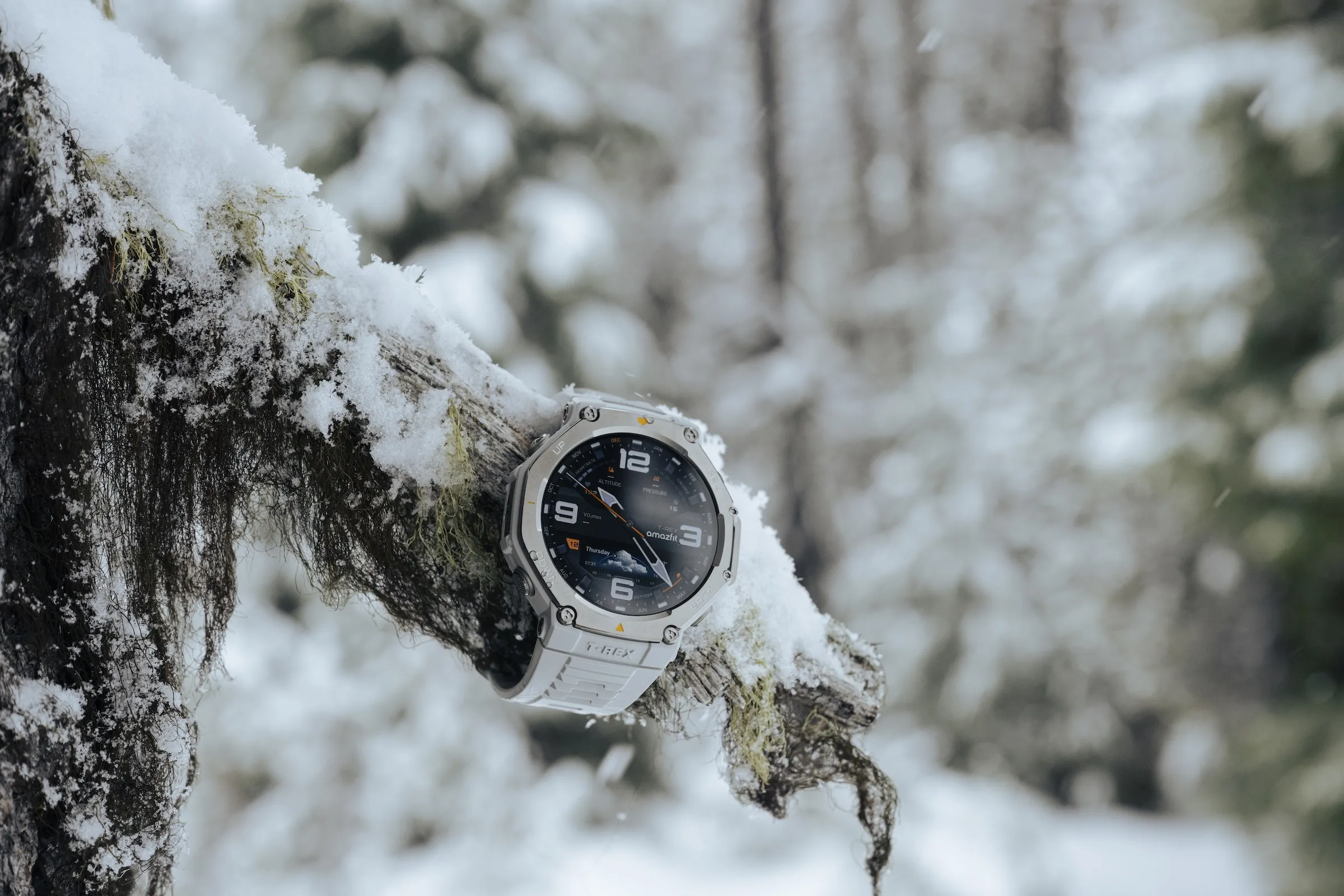
If the Bip 6 is the sensible mate, the T-Rex 3 Haze Grey Edition is the one who turns up in hiking boots and looks faintly offended by soft furnishings.
This is clearly aimed at the rugged end of the market. The watch leans into military-grade durability, improved Zepp OS 4 performance and accurate GPS, which is exactly the sort of combination endurance athletes and outdoor users tend to value. It is not just about surviving punishment. It is about remaining reliable when the conditions get awkward and the route stops being obvious.
For marathon runners, mountain bikers and adventure-minded trainers, GPS accuracy is not a luxury. It is the difference between controlled effort and guesswork. Add excellent battery life for multi-day use, and the T-Rex 3 becomes an attractive option for people who spend more time outdoors than near a plug socket.
At first glance, this is the model with the toughest personality in the line-up, but there is a point to the attitude. It is designed for athletes who prioritise durability, navigation and endurance over slimmed-down office elegance.
Strengths: tough build, dependable navigation, long battery life, well-suited to outdoor training.
Potential weakness: the rugged look will not appeal to everyone, especially those wanting something more understated.
Cheetah and Active give Amazfit range
This is where Amazfit gets clever.
Not everyone wants a watch that looks ready for military exercises. Some want a device that handles workouts, recovery and daily wear without looking like it belongs on a rescue mission. That is where the Amazfit Active fits in, offering a more versatile design for users who want fitness functionality without sacrificing everyday style.
Then there is the Cheetah series, which tilts more obviously towards runners and serious mileage hunters. The emphasis here is pace, performance and repeatable training data. For anyone logging regular miles, that matters.
Both lines tie into the Zepp App, bringing sleep, nutrition, stress and calorie tracking into one place. That all-in-one approach is not glamorous, but it is useful. There is real value in not having to bounce between three different apps to work out whether you are fit, tired or just over-caffeinated.
Who are these best for?
The Active suits people who want a smartwatch that moves neatly between office, gym and everyday life.
The Cheetah suits committed runners and cardio-focused users who want training insight without unnecessary clutter.
Why the athlete roster matters
A brand can hand a watch to a famous face and hope for the best. That happens every day. What matters is whether the fit makes sense.
With Amazfit, the athlete partnerships line up neatly with the product story.
Jasmine Paolini operates in a world of constant travel, shifting time zones and relentless physical demand. Recovery tracking and sleep monitoring are not nice extras there; they are part of the job.
Meg Jacoby and Hunter McIntyre compete in a training environment that asks for versatility, durability and serious workload management. One device handling multiple disciplines has obvious appeal.
Bea González relies on repeat bursts, quick reactions and strong cardiovascular conditioning, making real-time physiological feedback highly relevant.
Morgan Pearson needs a watch that can keep up across multiple sports, while Yeman Crippa’s requirements are simpler but no less exacting: pacing, navigation and dependable endurance support.
That is why this line-up works. These are not random endorsements. They reflect the use cases Amazfit wants to own.
Where Amazfit sits in the market
Anyone looking at Amazfit will naturally compare it with bigger smartwatch names. That is unavoidable. The established players still occupy plenty of mental real estate, especially among buyers who already live inside a particular app ecosystem.
But Amazfit’s play is not difficult to understand. It offers a strong feature set, broad fitness coverage and battery life that speaks directly to frustrated users who are tired of charging too often. It also keeps one foot planted firmly in affordability, which remains a powerful argument in a market where prices can drift into silliness.
That balance may be its sharpest weapon.
For many users, the question is no longer whether Amazfit can keep up on paper. It is whether they are paying extra elsewhere for features they do not actually use.
Pros and cons
Pros
Amazfit offers broad training and recovery tracking, strong battery life, useful navigation features and pricing that feels refreshingly sane.
Cons
The ecosystem may not yet carry the same automatic prestige as the biggest names, and some buyers will still prefer a more established platform simply out of habit.
Is it worth it?
On value, Amazfit is making a compelling case.
If you are an athlete or fitness-minded user who wants recovery data, workout tracking, GPS support and day-to-day smartwatch convenience without drifting into premium-price territory, there is plenty here to like. The range also avoids the usual one-size-fits-all trap. Bip 6 covers the practical mainstream. T-Rex 3 handles the rugged crowd. Active and Cheetah give style and specialist pace their own lanes.
That breadth matters because not every athlete trains the same way and not every buyer wants the same wrist presence.
The verdict
Amazfit no longer feels like an outsider hoping to nick a little shelf space. It looks more like a brand that has worked out where the market still has room: useful performance technology, sensible design choices, proper battery life and a price point that does not make your eyes water.
That will not topple the giants overnight. Nothing does.
But it does make Amazfit a brand worth taking seriously, especially for athletes and active users who care more about training smart, recovering well and getting honest value than showing off a logo in the coffee queue. In a crowded wearable field, that is not a bad way to make your move.