Active travel makes holidays genuinely restorative: short workouts, walking, cycling and outdoor adventures that recharge body and mind.
Stepping off a plane or train is supposed to mean you’re switching off, but the body didn’t get the memo. Sit still for long enough—lounger, buffet, repeat—and you don’t return refreshed. You return… softer around the middle, foggier in the head, and oddly annoyed at a sunset you’d normally applaud. The better answer, and the one more people are quietly discovering, is active travel: not a fitness retreat with a whistle, but a holiday where movement is the method, not the punishment.
Because here’s the truth nobody puts on the brochure: the “holiday hangover” is often just inactivity wearing a sunhat. When you build small, purposeful movement into your days, you sharpen the senses. You sleep more deeply. You eat with more appetite and less regret. And you actually notice where you are—rather than drifting through it like a carry-on suitcase with a pulse.
Why active travel beats the sun-lounger slump
The temptation to stay horizontal is powerful. Sun loungers have a magnetic field. But the most restorative breaks tend to involve changing your state—physically and mentally—rather than remaining static. Active travel reframes movement as discovery: walking to find the bakery locals actually use, cycling to a viewpoint the coaches can’t reach, or swapping one museum afternoon for a coastal hike that leaves you feeling properly alive.
It’s not about burning off dinner. It’s about earning the day.
Start your day with ten minutes that count
Mornings are the quiet window before heat, crowds, and “we’ll do it later” take control. The good news is you don’t need an hour of heroic effort. Research often points to short bursts of activity—ten minutes here, ten minutes there—adding up to meaningful cardiovascular benefit over time.
So keep it simple:
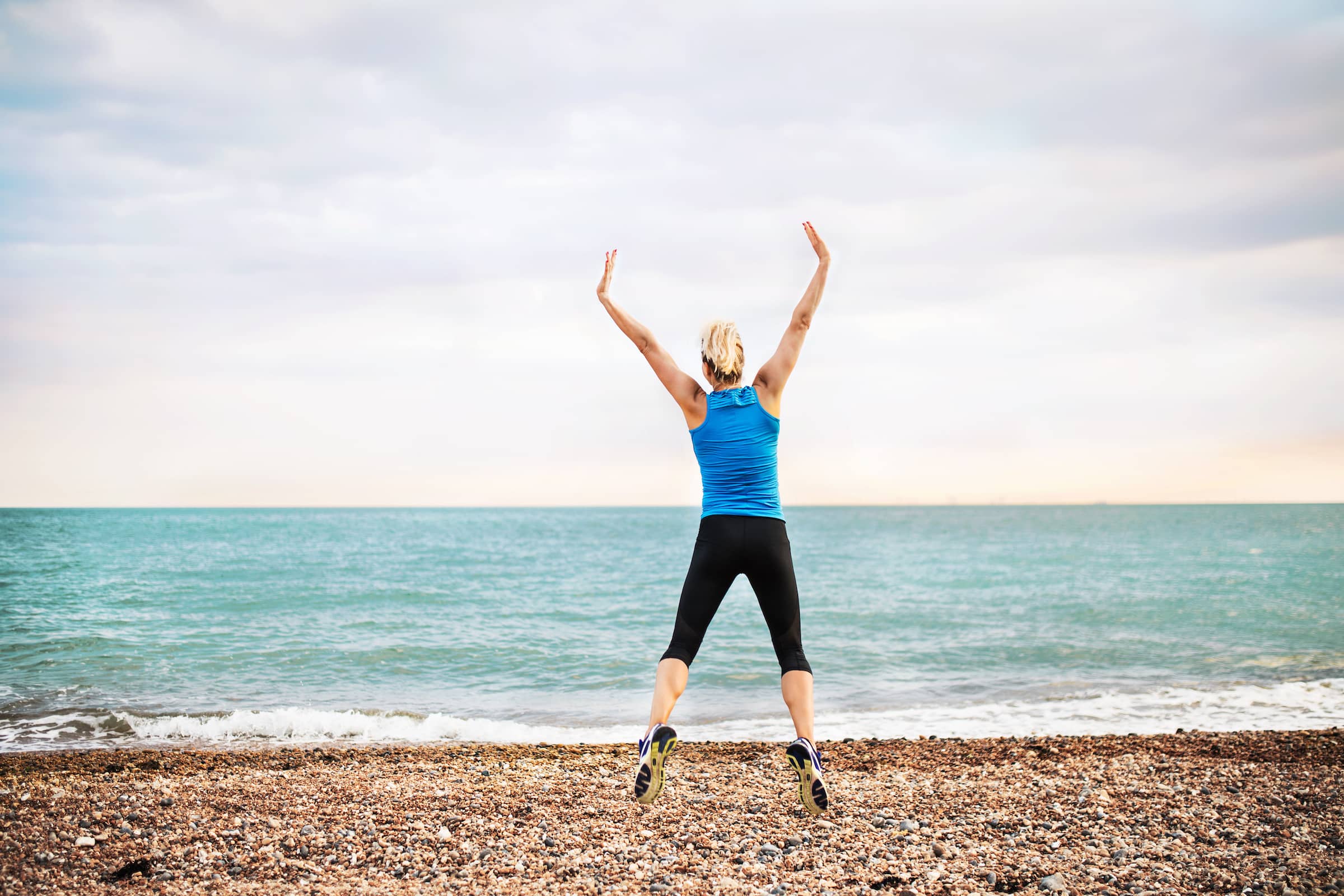
- A quick HIIT circuit on the balcony: squats, push-ups, lunges, a bit of core work.
- A brisk walk to coffee or breakfast instead of a taxi.
- A short mobility flow after a flight to un-knot hips and lower back.
Ten minutes is not nothing. Ten minutes is the difference between feeling switched on and feeling like you’re waiting for your brain to load. Repeat a short session after breakfast or before dinner and you’ve quietly built a routine that supports the entire trip—without stealing the holiday.
This is active travel at its most effective: small inputs, big returns.
Explore on two wheels or on foot

If you want to see a place, don’t watch it through glass. Choosing active transport—walking, cycling, even an e-bike—turns sightseeing into something you can feel. It also gives you access to the small, charming details that bus routes and rushed itineraries miss: the side street café, the shaded staircase, the old market that exists in the gap between “top ten attractions”.
There’s also a wider shift happening: travellers, particularly younger ones, are leaning into sustainable, multimodal ways to get around. That’s a nice headline, but the practical benefit is this—walking and cycling keep you moving all day without a single “workout” mood.
A few smart options:
- Bike rental for cities with dedicated lanes and flatter routes.
- E-bike hire for hillier destinations or longer days—still active, far more range.
- Walking tours for history, architecture, and the gentle discipline of steady steps.
The best part is you don’t have to “find time” to exercise. You’re simply travelling… properly.
Make nature the main event
The easiest way to stay active on holiday is to anchor your trip around one or two outdoor experiences you’ll remember. Exercise becomes a side effect of doing something brilliant.
Instead of filling every day with indoor attractions, research:
- local hiking trails and coastal paths
- kayaking routes
- climbing spots
- snorkelling areas (with reputable operators)
When embarking on Greece holidays, for example, paddling a sea kayak between secluded island coves turns the Aegean into your gym—an upper-body workout with the kind of view that makes you forget you’re working. That’s the sweet spot where active travel shines: you’re not “training,” you’re living the place.
Do it safely. Use qualified guides for unfamiliar terrain or water routes, respect the conditions, and treat sunscreen and hydration as essentials—not optional extras you’ll buy later.
Choose wellness-minded places to stay
Your accommodation is not just where you sleep. It’s the environment that nudges you toward good habits—or quietly sabotages them.
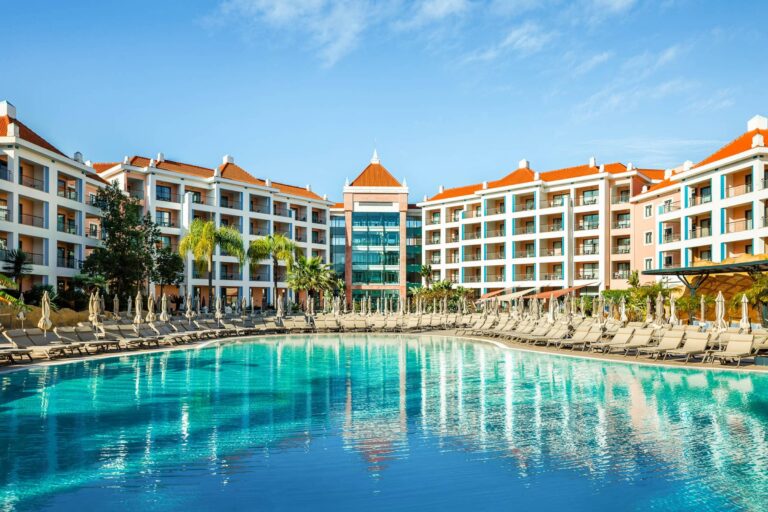
More UK travellers are prioritising hotels and retreats that offer genuine wellness support: studios, structured programmes, and facilities that make movement frictionless. When booking, look for:
- guided morning runs or mapped routes
- rooftop yoga or mobility sessions
- a gym with more than one tired treadmill
- easy access to walking paths, beaches, or trails
The point isn’t luxury. It’s convenience. If training requires a taxi across town, it won’t happen. If it’s downstairs, it becomes part of the rhythm. That’s how active travel stays sustainable: your surroundings do half the work.
A simple active travel template you can steal
If you like rules, keep one. If you hate rules, pretend it’s a suggestion.
The 10–10–10 day
- 10 minutes morning: brisk walk, mobility, or quick HIIT
- 10 minutes mid-day: steps between sights or a short swim
- 10 minutes pre-dinner: an easy walk to dinner or sunset stroll
That’s it. No guilt, no spreadsheets, no ruined holiday. Just enough movement to keep your body awake and your mind clear—so you come home genuinely restored.
Because the best souvenir isn’t a fridge magnet. It’s the feeling that the trip did something for you, not to you.