As researchers look at whether vitamin D can help guard against Covid-19, here’s four more reasons to top up on the sunshine vitamin.
Vitamin D is one of those nutrients that does a great deal of important work without demanding much applause, supporting bones, muscles, teeth and immune health — especially in the UK, where winter sunlight often turns up with the enthusiasm of a wet caddie on the 18th.
Known as the “sunshine vitamin”, vitamin D is produced when sunlight hits the skin. That sounds simple enough, until autumn and winter arrive and the British weather starts behaving like a locked filing cabinet.
During spring and summer, many people can make enough vitamin D naturally through sensible sunlight exposure. But from October to March, the UK simply does not get enough strong sunlight for most people to meet their needs this way.
That is where diet and supplementation come in.
Why Vitamin D Matters

Vitamin D helps the body absorb and regulate calcium and phosphorus, two minerals that play a central role in keeping bones and teeth healthy. It also supports normal muscle function and contributes to the proper working of the immune system.
“Making sure you’re getting enough vitamin D is likely to really benefit your bone and muscle health in the long term,” explains nutrition scientist Bridget Benelam from the British Nutrition Foundation (BNF).
“Vitamin D is also involved in supporting our immune system, something we’re all really aware of in light of the coronavirus pandemic.
No vitamin can prevent or cure Covid-19, but if you’re not getting enough vitamin D, increasing your intake, alongside a healthy diet, can help keep your immune system working as well as possible.”
That final point is important. Vitamin D is not a miracle cure, and it should never be sold as one. But getting enough of it is part of the basic maintenance plan for a healthy body.
Dietitian Dr Carrie Ruxton, from the Health & Food Supplements information Service, notes: “Vitamin D is vital because it contributes to the uptake of calcium by bones and teeth and helps regulate blood levels of calcium and phosphorus.”
Why Low Vitamin D Is Common In The UK
It is estimated that around one in five people have low vitamin D levels, according to the NHS. That is hardly shocking when so much of our supply depends on sunlight hitting the skin.
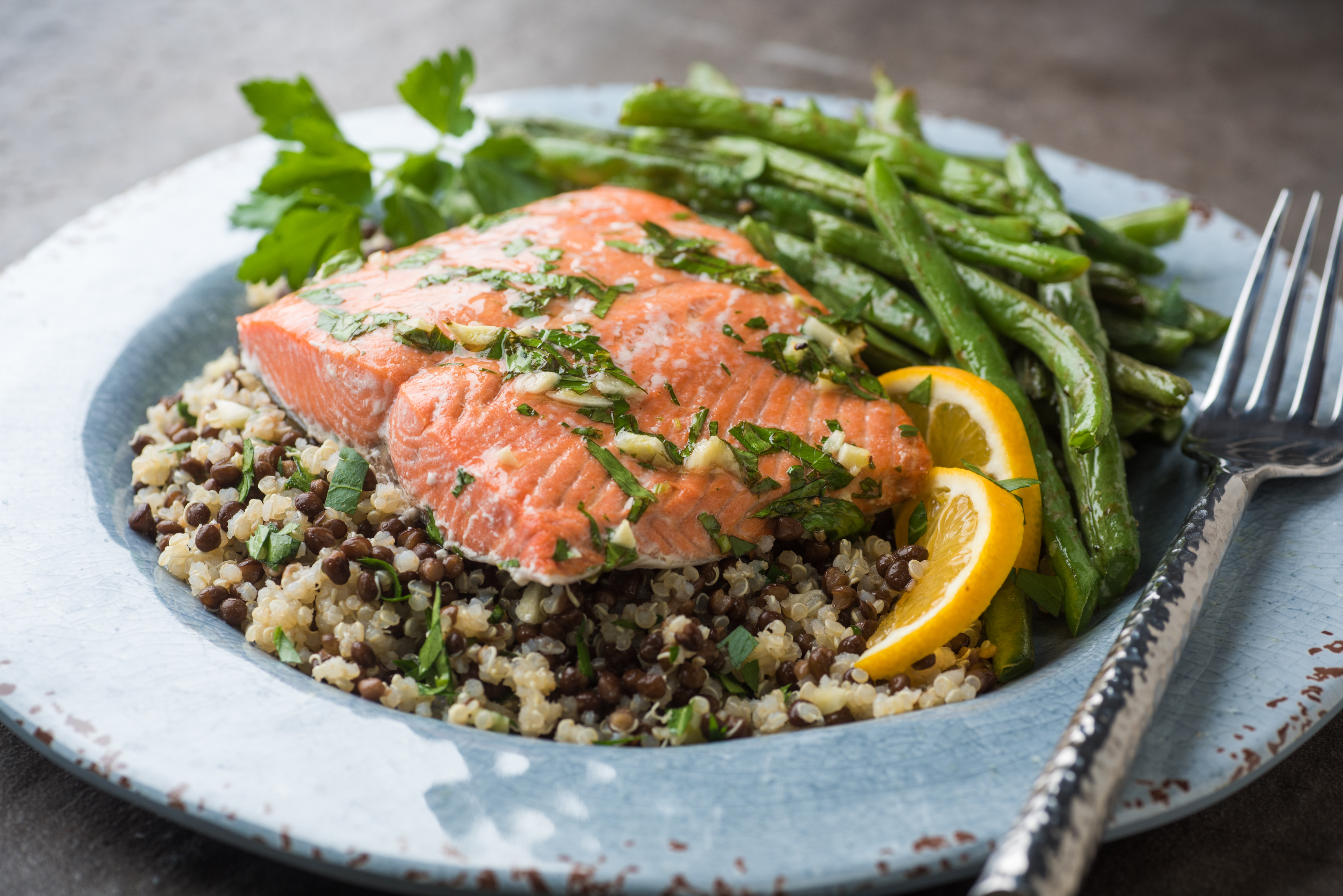
In the darker months, dietary sources become more important. These include oily fish, red meat, liver, eggs, and fortified foods such as some cereals and spreads.
Even then, getting enough vitamin D through food alone can be difficult. For that reason, Government guidance recommends that everyone should consider taking a daily 10-microgram vitamin D supplement, particularly during autumn and winter.
People who spend little time outdoors, cover most of their skin, have darker skin, are older, or are overweight may be more likely to have low levels.
“Many people in the UK have low vitamin D levels, particularly in the winter and spring, when respiratory infections are most common,” says lead researcher Professor Adrian Martineau.
“Vitamin D deficiency is more common in older people, in people who are overweight, and in black and Asian people – all of the groups who are at increased risk of becoming very ill with Covid-19.”
1. Vitamin D Helps Keep Bones Strong
Vitamin D helps the body absorb calcium properly. Without enough of it, bones can become poorly mineralised, leaving them weaker than they should be.
In children, prolonged vitamin D deficiency can lead to rickets, a condition linked with bone pain, poor growth and bone deformities, including bowed legs, curvature of the spine, thickening of the ankles, wrists and knees, and fractures.
Rickets was once thought to have been largely pushed into Britain’s medical past, but cases have been reported again in recent years.
In adults, vitamin D also plays a role in bone strength and can help support the management of bone-health conditions such as osteoporosis.
2. Vitamin D Supports Muscle Function
Low vitamin D can affect more than bones. In adults, deficiency can contribute to osteomalacia, which may cause aching bones, muscle pain and muscle weakness.
That matters for everyday life. Strong muscles are not just for athletes, gym-goers or people who think “leg day” is a personality trait. They help with walking, standing, balance, independence and injury prevention.
For active adults, older people and anyone trying to stay mobile, vitamin D is a small but significant part of the wider health picture.
3. Vitamin D Helps Maintain Healthy Teeth
Because vitamin D helps regulate calcium absorption, it also supports healthy teeth.
It may not be the flashiest benefit, but teeth depend on the same mineral story as bones. Without enough vitamin D, the body is less efficient at managing the calcium and phosphorus needed to maintain strong teeth.
Think of it as structural maintenance, only without the hard hat and clipboard.
4. Vitamin D Supports Immune Health
Vitamin D is also involved in immune function. That does not mean it can prevent illness on its own, but it does mean deficiency is worth taking seriously.
A 2019 University of Edinburgh study suggested low levels of vitamin D may lead to an increase in immune responses potentially linked to a raised risk of autoimmune conditions, such as multiple sclerosis.
“There are vitamin D receptors on many immune cells,” says Ruxton, “suggesting that it has a widespread role in optimal immunity – an important point as we face a continuation of the Covid-19 crisis, just when the winter flu and cold season approaches.”
The broader takeaway remains useful beyond any single virus: vitamin D plays a recognised role in supporting normal immune function.
Best Food Sources Of Vitamin D
The best dietary sources of vitamin D include:
- Oily fish such as salmon, sardines and mackerel
- Red meat
- Liver
- Egg yolks
- Fortified breakfast cereals
- Fortified spreads
Oily fish is one of the strongest natural food sources, though not everyone eats it regularly. That is one reason supplements are often recommended during the darker months.
Should You Take A Vitamin D Supplement?
For most adults in the UK, a daily 10-microgram vitamin D supplement is a sensible option during autumn and winter.
Some people may need to consider supplementation year-round, particularly those who get very little sun exposure or who are at higher risk of deficiency.
Anyone taking medication, managing a medical condition, pregnant, breastfeeding, or considering higher-dose supplements should speak with a qualified healthcare professional first.
The Key Takeaway Here
Vitamin D is not glamorous. It will not transform a grey Monday into a Mediterranean wellness retreat. But it does help keep bones, muscles, teeth and the immune system working as they should.
In spring and summer, sunlight can do much of the work. In autumn and winter, especially in the UK, a modest daily supplement may help cover the gap.
It is a small habit, but health is often built that way: not by grand gestures, but by quiet consistency. Vitamin D just happens to be one of the quiet ones worth remembering.