Six practical ways to ease period pain naturally, from heat and yoga to tea, magnesium and massage.
A period can arrive with all the grace of a burglar in the night: uninvited, disruptive and somehow able to ruin your plans before breakfast. For some women, it is little more than an inconvenience. For others, it feels like the lower abdomen has declared war.
The good news is that while painful cramps can be miserable, there are several practical ways to make a rough period more manageable without immediately turning to medication.
Regular menstruation is often a sign that the body is working as it should. That does not make the pain any less irritating when it turns up, of course. Period symptoms vary wildly from one person to the next, and even from one month to another.
One cycle may pass quietly; the next can feel like an act of sabotage. That unpredictability is part of what makes period pain so frustrating.
What matters is knowing how to respond when cramps arrive in full voice. Some remedies are simple, some surprising, and most are less glamorous than the wellness industry would have you believe. Still, when a period is particularly uncomfortable, small interventions can sometimes make a meaningful difference.
Chamomile tea: the old faithful
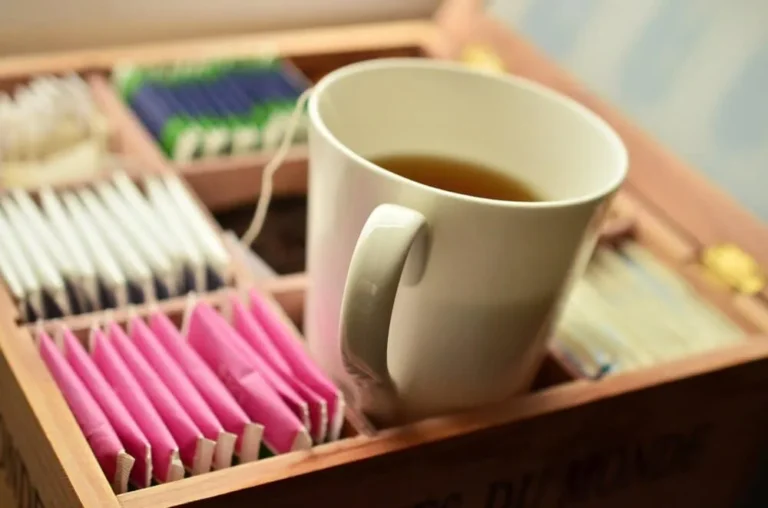
There is a reason chamomile has lasted this long. It is not fashionable, flashy or expensive, but it has earned a loyal following among women dealing with period cramps, poor sleep and the general irritability that often tags along with menstruation like an annoying little sibling.
A warm mug of chamomile tea can offer comfort on two fronts. First, there is the obvious physical warmth, which rarely hurts when cramps are involved. Second, there is the ritual of stopping, sitting down and taking ten minutes to breathe like a civilised human being rather than a hostage to your own hormones.
The preparation is straightforward: pour boiling water over a tea bag or loose chamomile flowers, let it steep for 10 minutes, then drink it slowly. That may not sound revolutionary, but during a difficult period, relief does not have to be dramatic to be useful.
Orgasm: awkward to discuss, useful to know

This is the part where many people lower their voice for, as though the uterus might be listening. But it is worth saying plainly: orgasm can help some women manage period pain.
There are a few reasons for that. Sexual release may help reduce cramping, encourage the release of oxytocin and endorphins, and provide something rare during a painful period: a brief shift of focus away from discomfort. In other words, it may help biologically and psychologically, which is more than can be said for many expensive “wellness” products sold in tasteful pastel packaging.
For those who do not fancy period sex, masturbation is another option. It is not a cure, and it will not suit everyone, but it belongs firmly in the category of things that sound frivolous until you realise there is a very practical logic behind it.
Heat: humble, effective and blessedly uncomplicated
Sometimes the body does not need a miracle. It needs warmth.
A heating pad remains one of the most reliable ways to calm period cramps, largely because heat helps the muscles relax. It is simple, accessible and refreshingly free of marketing jargon. No one needs a branded “pelvic wellness system” when a straightforward source of heat can often do the job.
The advice is equally simple: place heat on the lower abdomen rather than the lower back, and do not overdo it. Fifteen to 20 minutes at a time is sensible. Enough to soothe, not enough to leave you feeling like a forgotten roast potato.
Yoga poses that may help during a period

Yoga is often recommended for period pain, and not always for silly reasons. Gentle stretching, breathing and movement can help relax the body, improve circulation and reduce the sense that your middle section has tightened into a clenched fist.
The key here is not athletic ambition. This is not the moment to audition for a wellness retreat in Ibiza. The aim is relief, not performance.
Cobra Pose
The Cobra Pose can help open the front of the body and gently stimulate the abdominal area. For some women, that can ease cramps and reduce the heavy, fatigued feeling that sometimes arrives with a difficult period.
Lie on your stomach, stretch your arms forward, then raise your upper body into a gentle curve. If comfortable, place your hands under your chest for support. Hold the pose briefly while breathing deeply, then release.
Bridge Pose
The Bridge Pose works the pelvic and abdominal muscles and may support better blood flow. That can be helpful during a painful period, particularly when the body feels stiff and sluggish.
Lie on your back with your knees bent and feet flat on the floor. Lift the hips toward the ceiling, hold for a few seconds, then lower back down with control.
Child’s Pose
If ever there were a yoga position built for retreating from the world, this is it. Child’s Pose is gentle, restorative and often useful when a period feels especially draining.
Kneel with the knees apart, stretch the arms forward and fold down until the forehead rests near or on the floor. Breathe slowly. Stay there long enough for the body to loosen its grip.
Essential oils and massage
Massage can be helpful during a period simply because it encourages the body to relax. Add essential oils, and some women find the effect even more soothing.
Lavender is often mentioned for relaxation and sleep, while peppermint, eucalyptus, rosemary and tea tree are also commonly used in massage blends. The important point is not to treat these oils like harmless perfume. They should always be diluted in a carrier oil before touching the skin.
What matters most here is the massage itself: gentle pressure, warmth and a few minutes devoted to easing tension in the abdomen rather than powering through the day as though discomfort is some moral failing.
Magnesium and the role of diet
A period does not begin and end with what happens over a few painful hours. Diet can play a part in how the body feels across the month, and magnesium is one nutrient often mentioned in conversations around menstrual pain.
Foods such as pumpkin seeds, almonds, spinach, chia seeds, flax seeds, sesame seeds, sunflower seeds, buckwheat and raw cacao are all magnesium-rich options. They are not magic bullets, but building them into the diet may be worthwhile for women who suspect they are not getting enough.
Supplements are another route, but that is a decision better made with medical guidance rather than a guess and a hopeful trip to the health-food aisle.
When period pain is no longer routine
There is a difference between an uncomfortable period and one that regularly knocks the wind out of you. If cramps are severe, persistent or not improving with home remedies, that is the point at which medical advice matters.
Painful periods can sometimes signal underlying conditions, and there is no medal for suffering in silence. Too many women are taught to treat debilitating pain as normal simply because it is common. Those are not the same thing.
The bottom line
A painful period can make the day feel smaller, meaner and far less negotiable. But natural remedies such as chamomile tea, heat, gentle yoga, massage, orgasm and magnesium-rich foods may help take the edge off for some women.
None of this is about pretending period pain is charming or character-building. It is about finding practical relief, trusting your own experience and recognising when home remedies are enough and when it is time to speak to a doctor. Sometimes the smartest form of strength is not gritting your teeth. It is knowing when not to.