If there are certain bits you want to target, you might want to give these activities a go.
The best sports for toning up are the ones you will actually keep playing — a point often lost somewhere between the gym mirror and the twelfth joyless set of crunches.
Volleyball challenges the core, cycling and football load the legs, rowing recruits the upper body, tennis tests the shoulders, golf demands rotational control and skiing gives the glutes a fairly stern afternoon.
None can remodel one body part by decree, but each has a clear muscular emphasis.
First, What “Toning” Really Involves
“Toning” is useful shorthand, though the body has never shown much respect for fitness jargon. In practice, it usually means building or preserving muscle while reducing enough body fat for greater definition to show.
Sport can strengthen particular muscles, but it cannot dictate where fat is lost. A stronger waist is not automatically a narrower one; nor will a fortnight of serving turn anyone into a beach-volleyball poster. Frequency, effort, recovery and diet still sit on the committee, looking serious.
The advantage of sport is adherence. Chasing a ball, a boat or a clean turn down a piste can make hard work feel less like an appointment with fluorescent lighting.
Volleyball: The Core Under Pressure
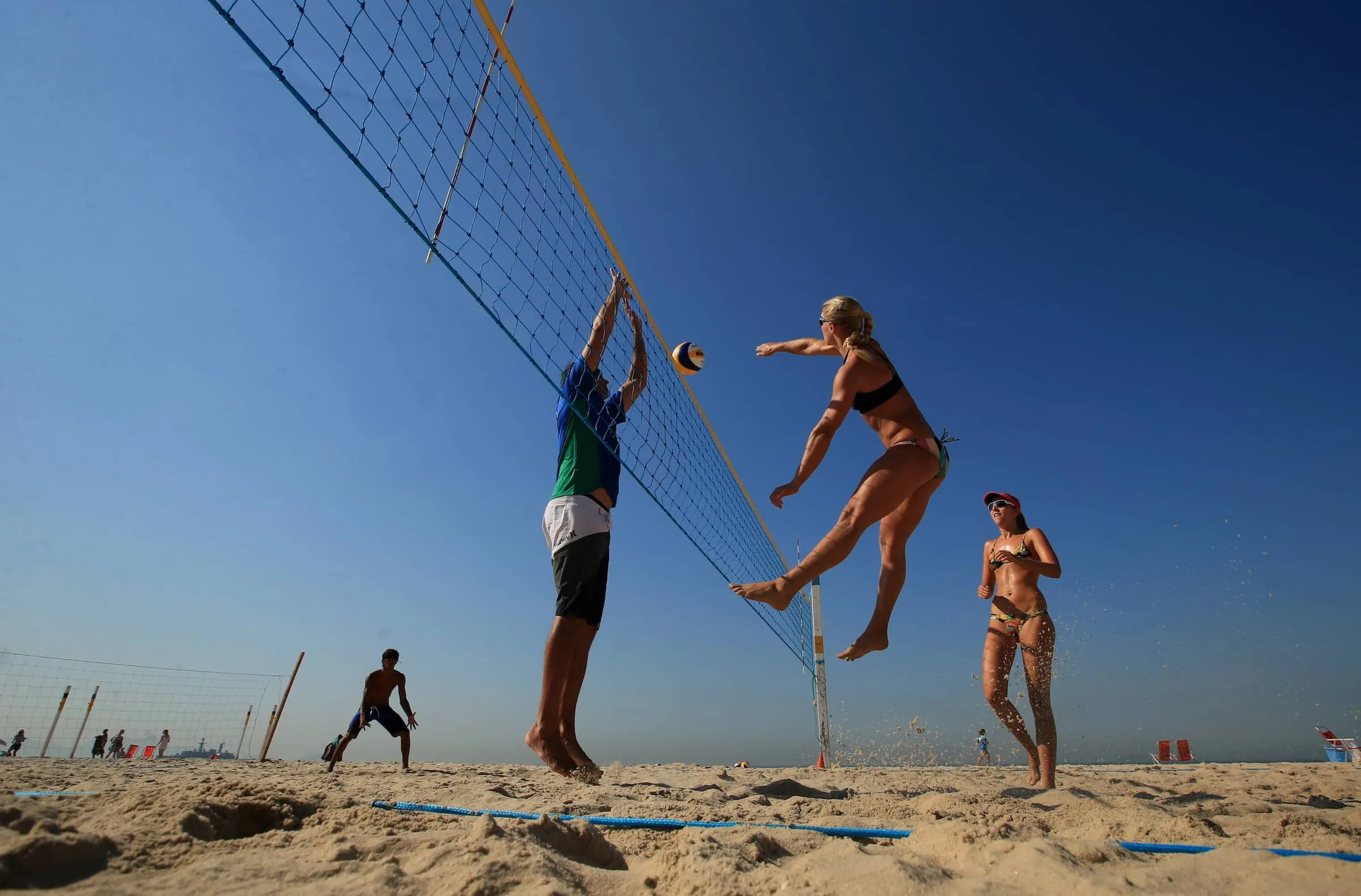
Volleyball is an excellent choice for trunk strength because almost every useful action asks the body to stabilise quickly. Jumping, landing, changing direction, serving and striking overhead all require the abdominal and back muscles to control force rather than merely produce a theatrical burn.
Beach volleyball raises the difficulty. Sand shifts beneath the feet, so the body must work harder to stay balanced and transfer power. It is less forgiving than a sprung indoor court and considerably less interested in your dignity.
The payoff is broader than visible abdominals. Better trunk control supports balance and the efficient transfer of force across other sports. Anyone new to the game should build up jumping volume gradually, as repeated landings can be demanding on the knees and ankles.
Cycling and Football: The Legs Do the Overtime
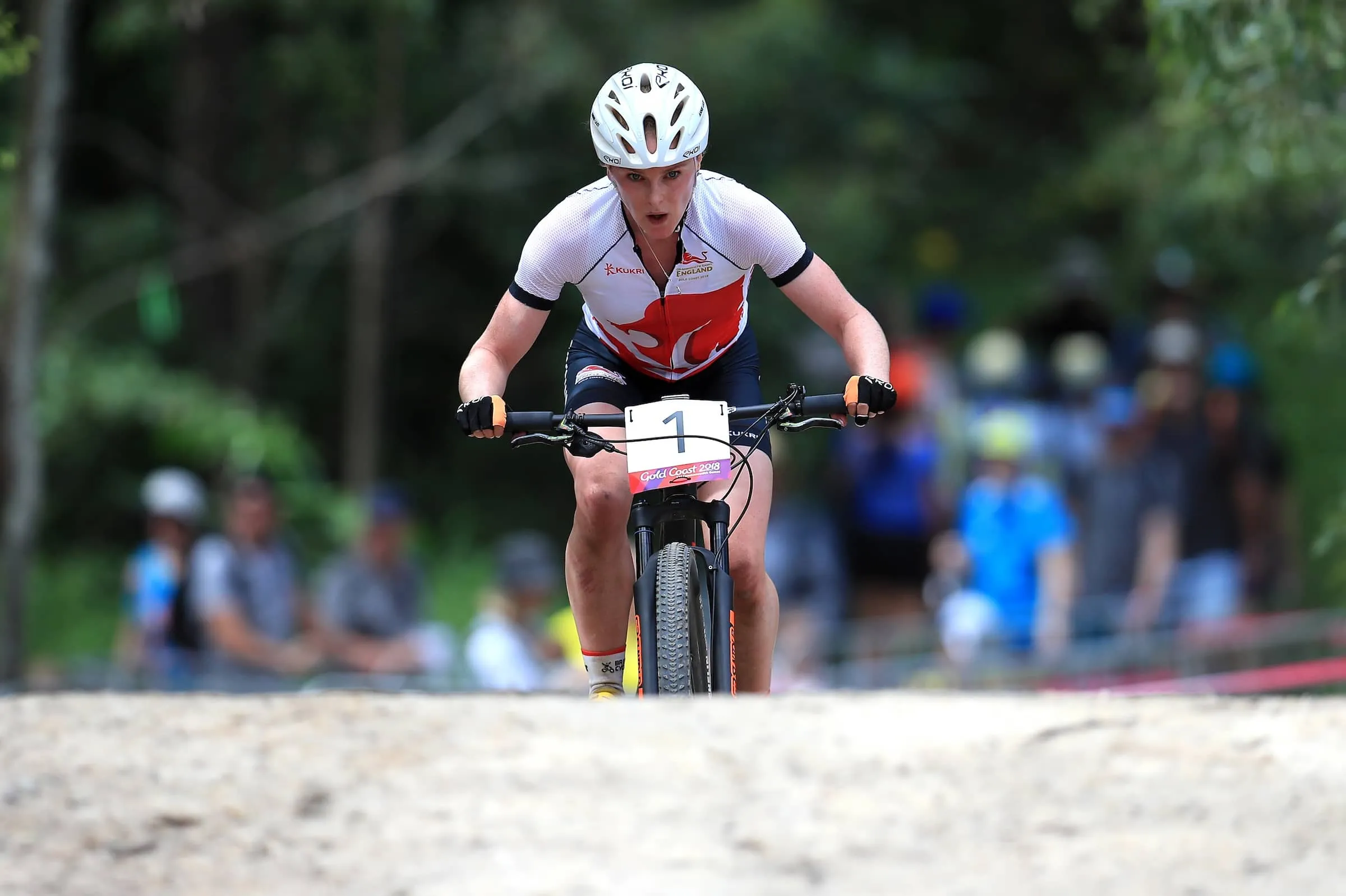
For stronger thighs, cycling is the obvious candidate, but resistance matters. The quadriceps drive the pedals, while the hamstrings, calves and glutes contribute throughout the stroke.
Hills and heavier gears increase the muscular demand; spinning an almost resistance-free bike while reading messages does not.
Football offers a more varied leg workout. Jogging, sprinting, braking, cutting and kicking load the lower body in different ways, with repeated changes of pace doing much of the useful damage. The quads and hamstrings work, but so do the calves, hips and glutes.
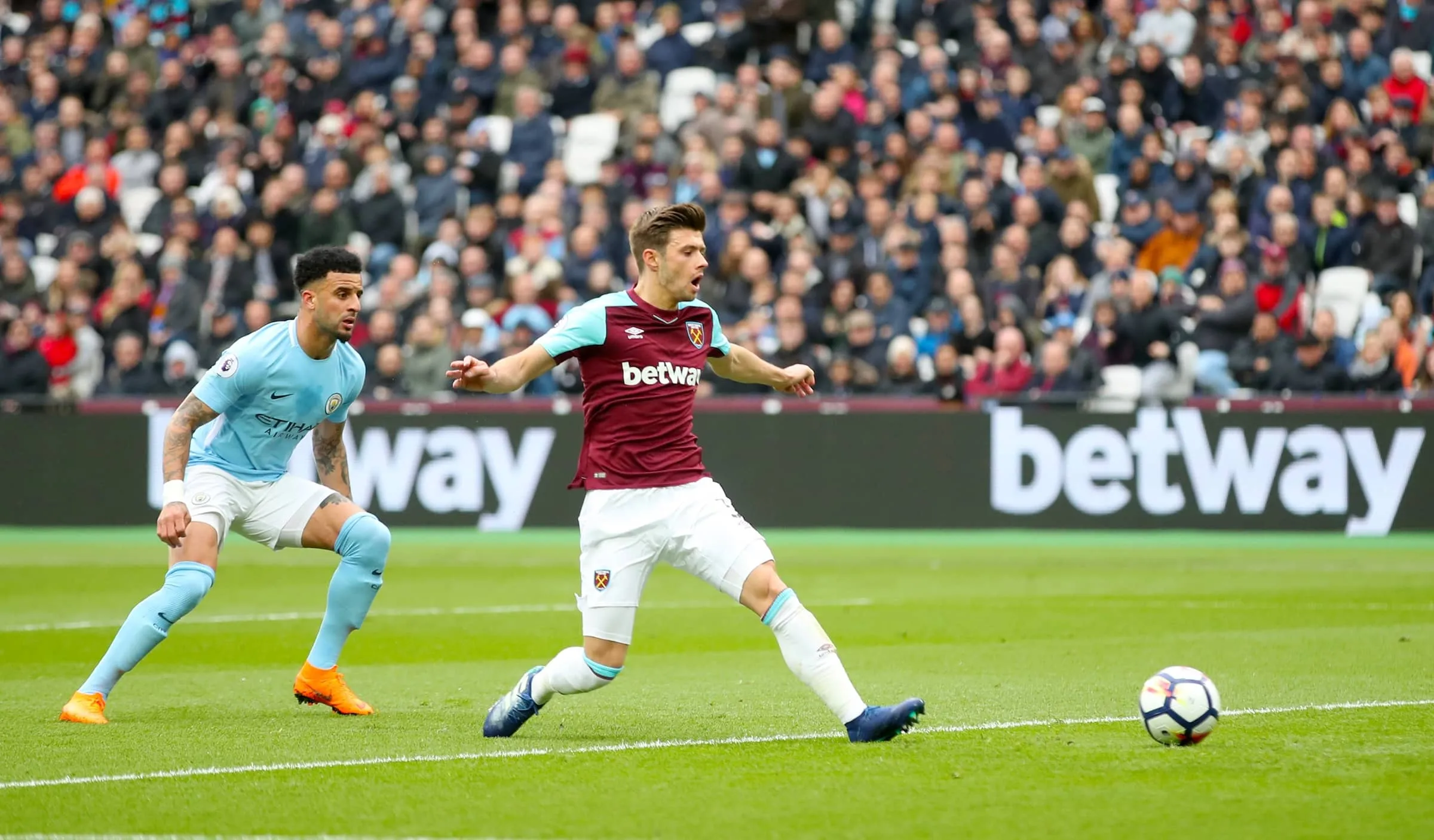
The distinction is simple. Cycling provides controlled, repeatable loading. Football adds unpredictability, acceleration and lateral movement.
One is kinder to those who enjoy measured suffering; the other includes opponents, bad bounces and a team-mate who remains convinced every free-kick belongs to him.
Rowing and Tennis: Upper-Body Strength, With Conditions
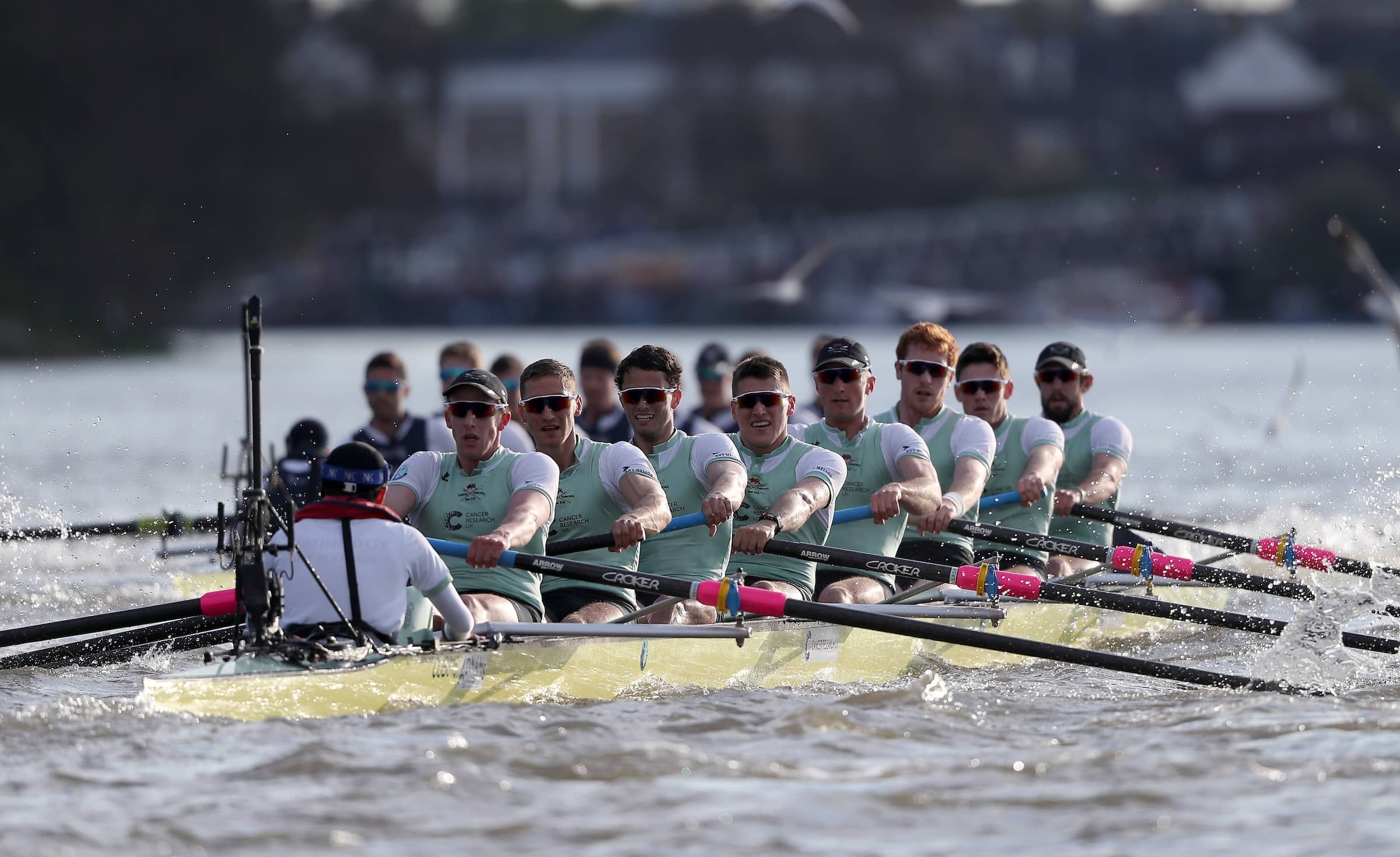
Rowing can build the arms, shoulders and upper back, but it is not chiefly an arm exercise disguised as boating. Good strokes begin with the legs, pass through a braced trunk and finish with the pull.
That sequence makes rowing a demanding whole-body activity, on water or on an indoor machine.
For useful definition through the upper body, technique beats frantic handle-yanking. Keep the drive smooth, the spine controlled and the resistance sensible.
A rowing club adds coaching and company; the machine adds convenience and a small screen that can become surprisingly judgemental.
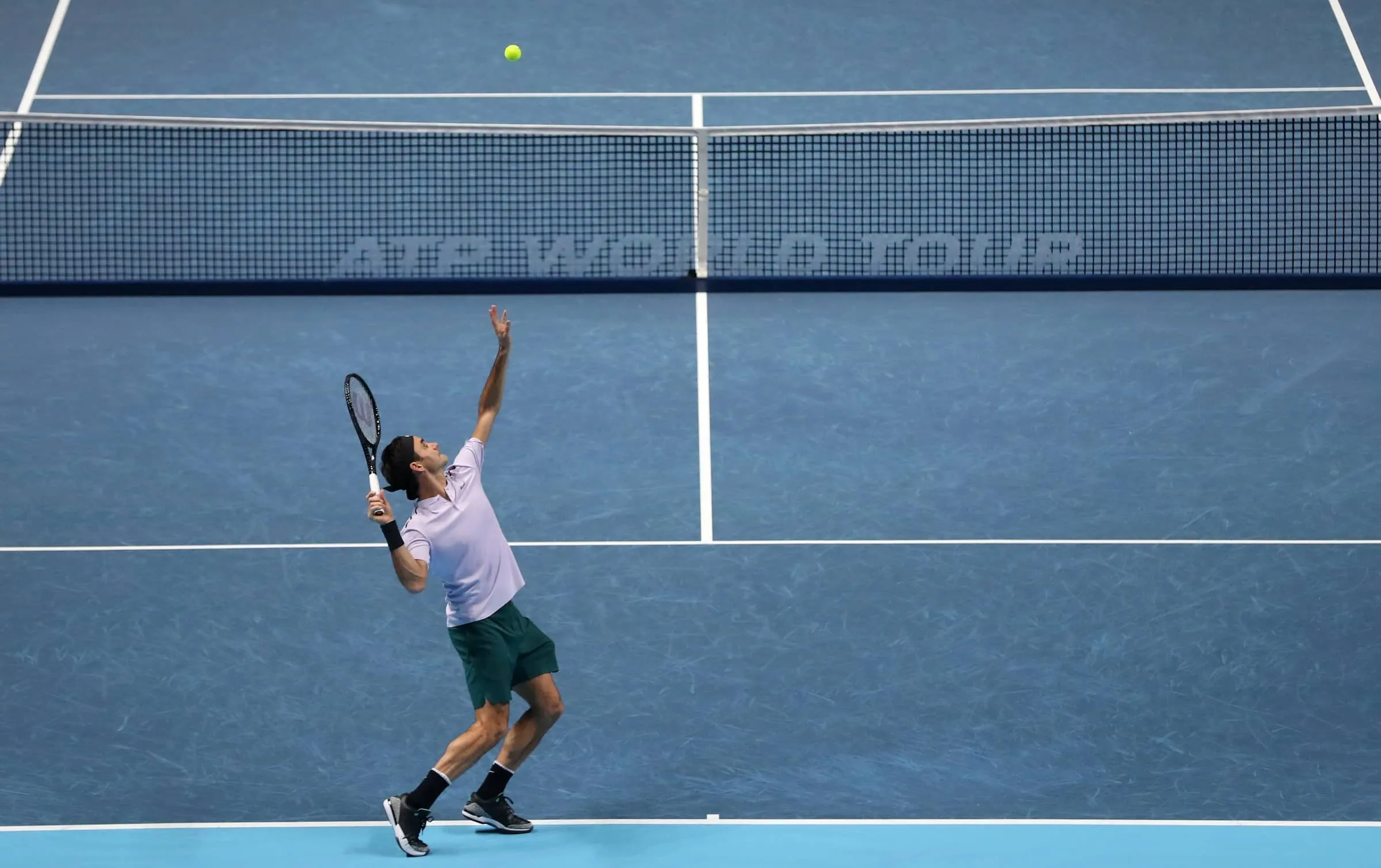
Tennis places a different demand on the shoulders. Serves and overheads require mobility, timing and force, while groundstrokes involve the chest, back and arms as part of a full-body rotation.
The running adds a substantial lower-body component, making tennis one of the strongest all-round options here.
Repeated serving can irritate the shoulder if volume rises too quickly or technique is poor. Warm up, strengthen the muscles around the shoulder blade and resist the urge to hit every ball as though a selector is watching.
Golf for a trim waist
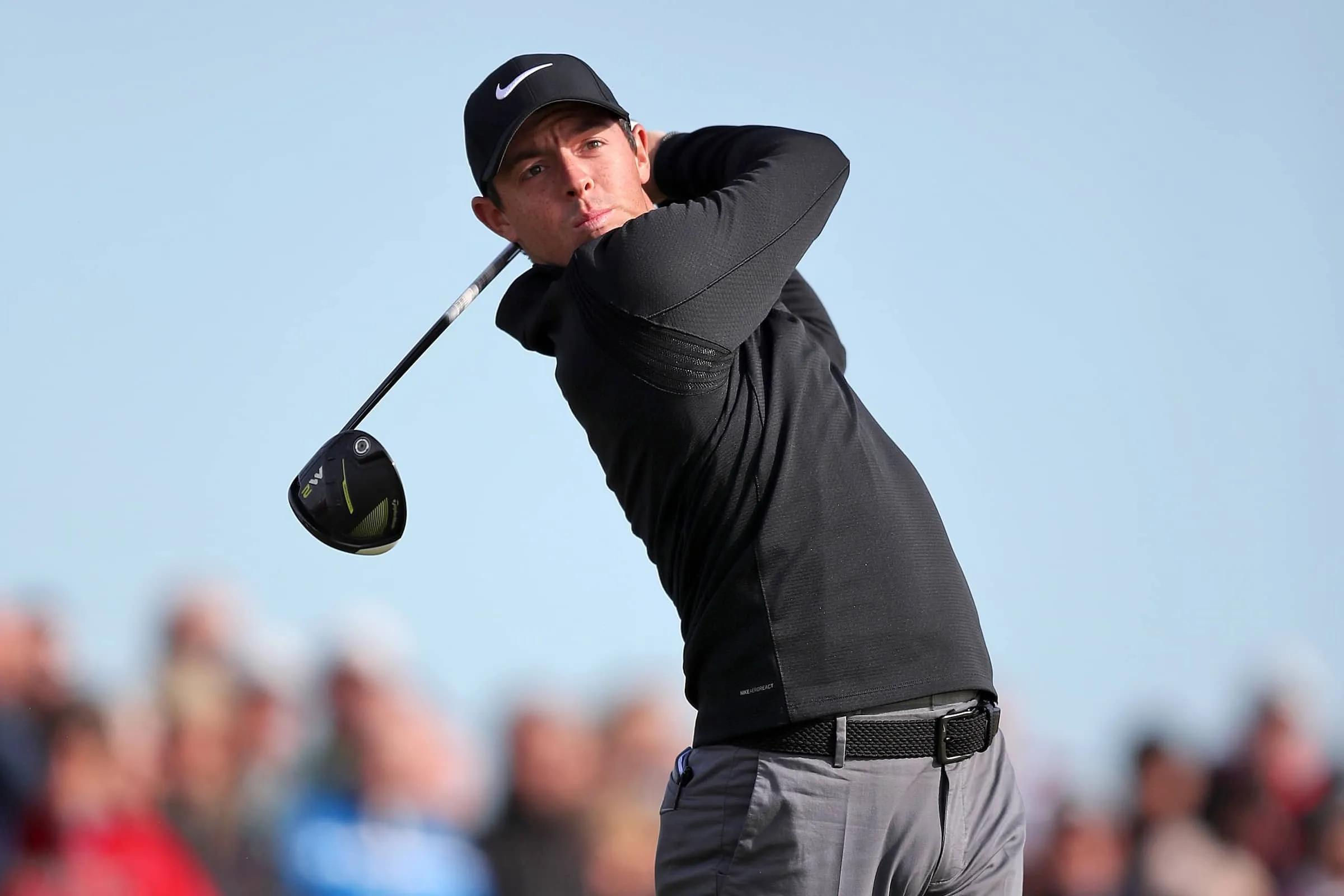
Golf will not pass for interval training, however briskly someone replaces a divot. Yet the swing asks for coordinated rotation through the hips and torso, with the abdominal and back muscles controlling speed and balance.
That can strengthen the obliques and improve rotational control, particularly when paired with walking the course and sensible strength work. It will not selectively melt fat from the waist. Golf’s benefit is movement repeated over several hours, plus a technical action that rewards mobility and stability.
There is also a practical warning. Trying to manufacture speed solely by wrenching the lower back is not athleticism; it is an invoice in waiting. Good coaching and adequate mobility through the hips and upper back matter.
Skiing for a peachy bum
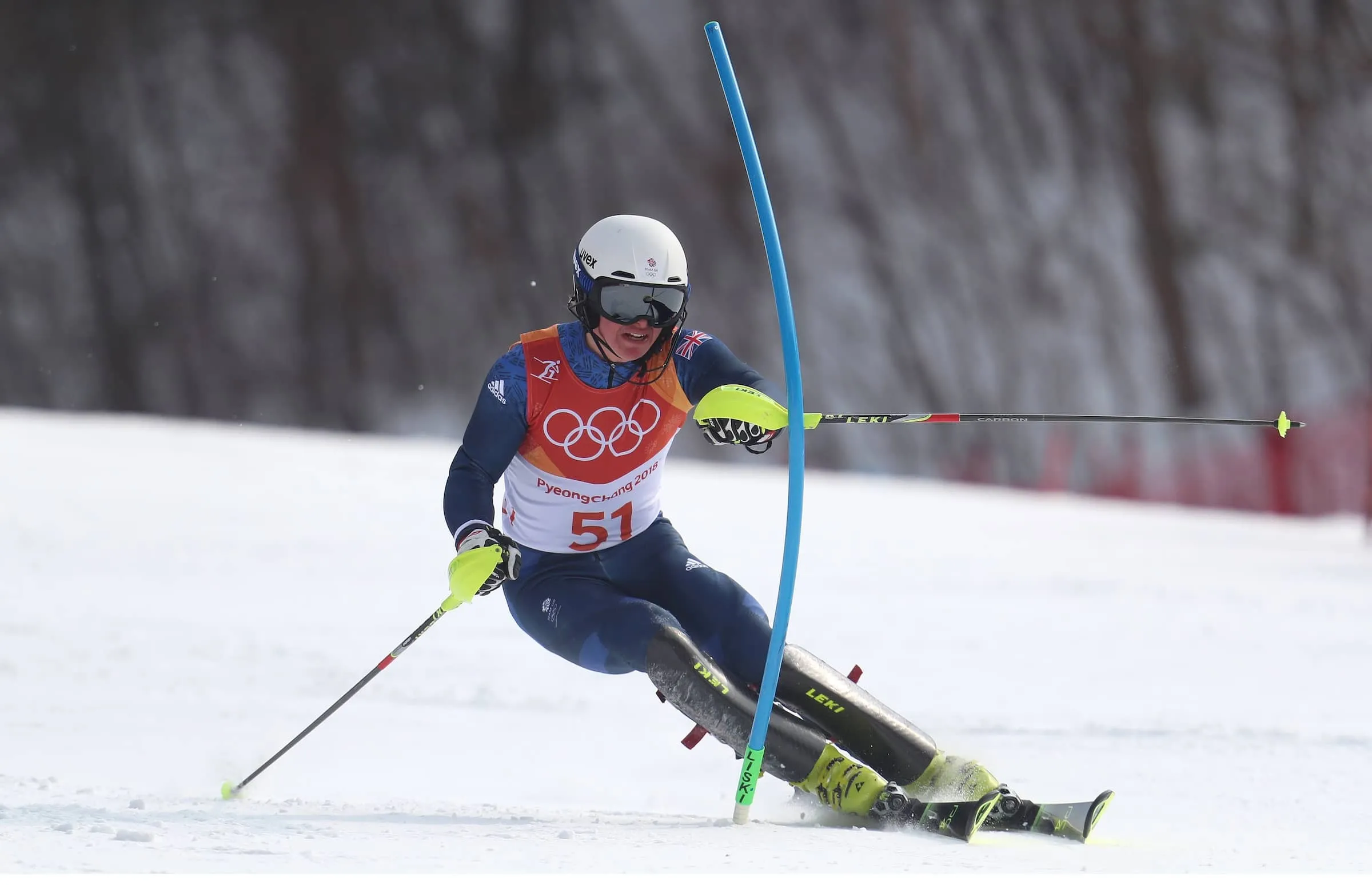
Skiing keeps the hips and knees flexed for extended periods while the legs absorb force and steer the body. The quads and glutes do much of the work, with the core keeping everything organised as the surface changes beneath you.
The muscular challenge becomes especially obvious during long descents, when the legs must control movement continuously rather than simply produce one large effort. That familiar end-of-day ache is not proof of a “peachier” anything, but it is persuasive evidence that the lower body has been busy.
Skiing is expensive and inaccessible compared with football or cycling, so it is hardly the democratic answer to everyday fitness. As an occasional full-body challenge, though, it is formidable.
The best sports for toning up are therefore less about finding a perfect anatomical match than choosing a movement you enjoy enough to repeat.
Pick the game that suits your body, budget and temperament, then give it time. Muscles respond to consistency; boredom rarely survives it.