Fitness recovery is reshaping training, with sleep, nutrition, mobility and tech now as vital as the workout itself.
For years, the gospel of getting fit was shouted through gritted teeth: train harder, train longer, and have another go tomorrow. But fitness recovery has now moved from the margins to the main event, and not before time. Muscles do not grow because you glared at a dumbbell with sufficient menace. They grow, repair and adapt afterwards, when the body is finally given half a chance to do its housekeeping.
That shift in thinking has changed the shape of modern training. Recovery is no longer code for collapsing on the sofa and calling it discipline. It is now its own corner of the fitness world, with stretching classes, massage tools, compression systems, mobility work and sleep routines all jostling for a place in the weekly schedule.
The message is simple enough. The workout may light the fire, but recovery decides whether anything useful is left standing once the smoke clears.
Why recovery is no longer optional

The hard truth is that training breaks the body down before it builds it up. That is the bargain. Push through a session, stress the muscles, drain the tank, and trust the recovery process to turn all that effort into something stronger.
Jake Roston, a trainer from PureGym, puts it plainly: “I always tell my clients that recovery is important to build into any exercise regime. It’s the time the body takes to adapt to the stresses of exercise, replenish energy stores and repair damaged muscle tissue.”
That repair process matters because strength is built in the aftermath, not in the middle of the suffering. Roston explains it further: “During recovery, the body repairs these tears, making them more resilient to future exercise. Without physical therapy though, you’d continue to rupture your muscle, which can eventually result in injury.”
It is a useful corrective to the old no-pain-no-gain theatre. Plenty of people still treat soreness as a medal. Often it is really a warning light.
The cost of under-recovering
This is where the trouble starts for the keen, the ambitious and the slightly unhinged. People who pride themselves on discipline are often excellent at turning up and rather poor at backing off.
Elliott Upton, senior personal trainer at Ultimate Performance, does not dress it up: “If you’re not employing proper recovery strategies, you may see sub-optimal results from your training and slower progress. Lack of proper rest can also impact your immune system, your susceptibility to illness, your mood and your sleep too.
“It’s important to remember that you do not adapt and grow during your workout, you adapt and grow when you recover,” adds Upton, who explains that for many people who like to push themselves, the problem “is not over-training, it is actually under-recovering”.
That distinction matters. Poor recovery does not just leave you tired and grumpy. It can blunt performance, drag down consistency and increase injury risk. There is nothing heroic about limping into week three because week one was full of admirable nonsense.
How much rest do you actually need?
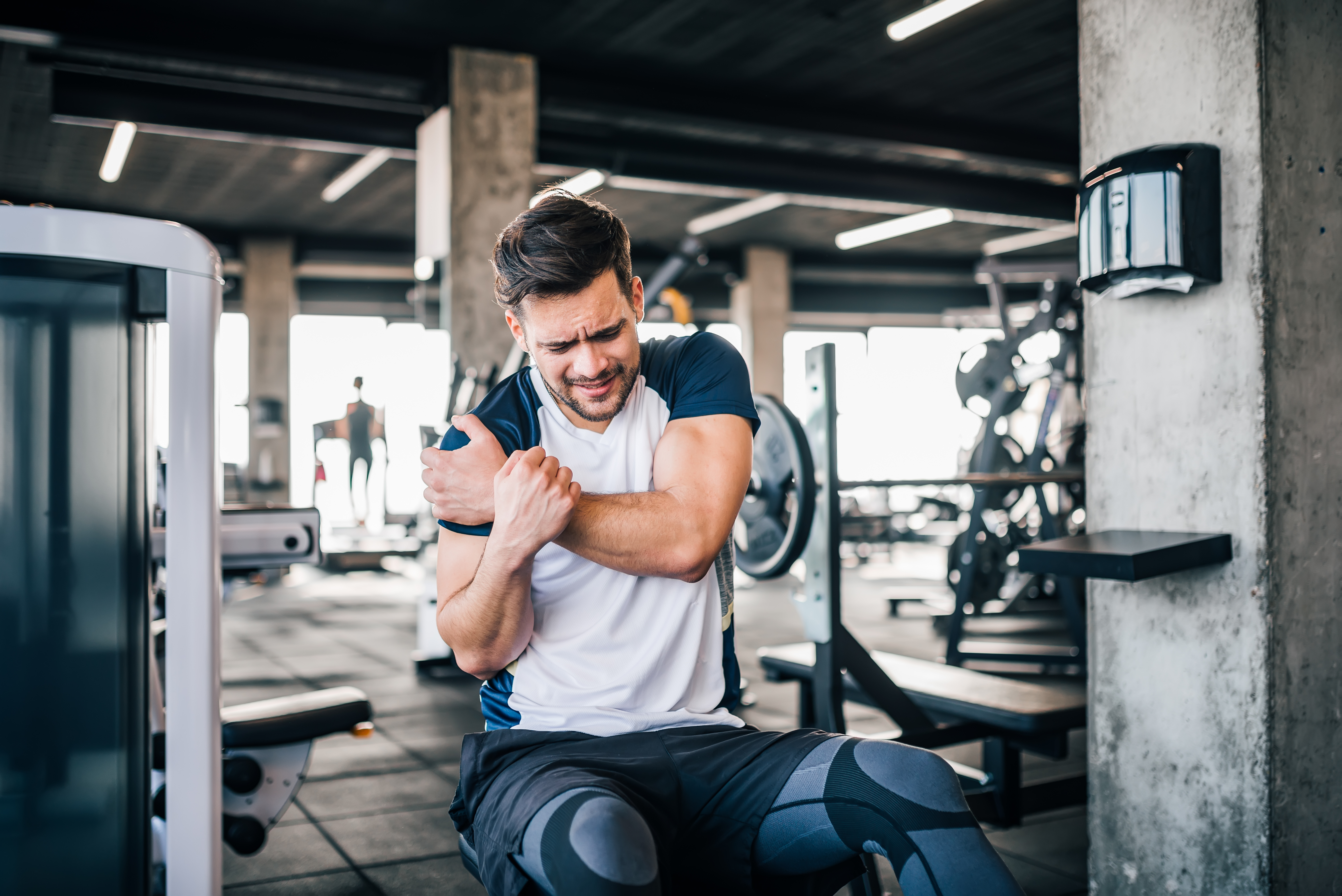
There is no universal formula, because bodies are awkward like that. Training age, intensity, volume, sleep, diet and general life stress all pull at the same rope.
As a broad guide, average muscle recovery tends to take 24 to 48 hours. Upton notes that soreness can hang around a while after a demanding session, especially for beginners, those returning after time off, or anyone launching into a new training cycle.
“Many people can suffer from DOMS (delayed onset muscle soreness) for up to 48 hours after a hard workout,” says Upton.
If that soreness is still clinging on four or five days later, something has usually gone a bit sideways. Too much volume. Too much intensity. Not enough recovery support. Sometimes all three, which is a marvellous way to feel terrible.
Fitness recovery is more than doing nothing
This is where the conversation gets more interesting. Rest is part of recovery, yes, but fitness recovery is broader than mere inactivity. It includes mobility work, soft tissue care, nutrition, hydration and sleep quality, all of which affect muscle repair, inflammation and readiness for the next session.
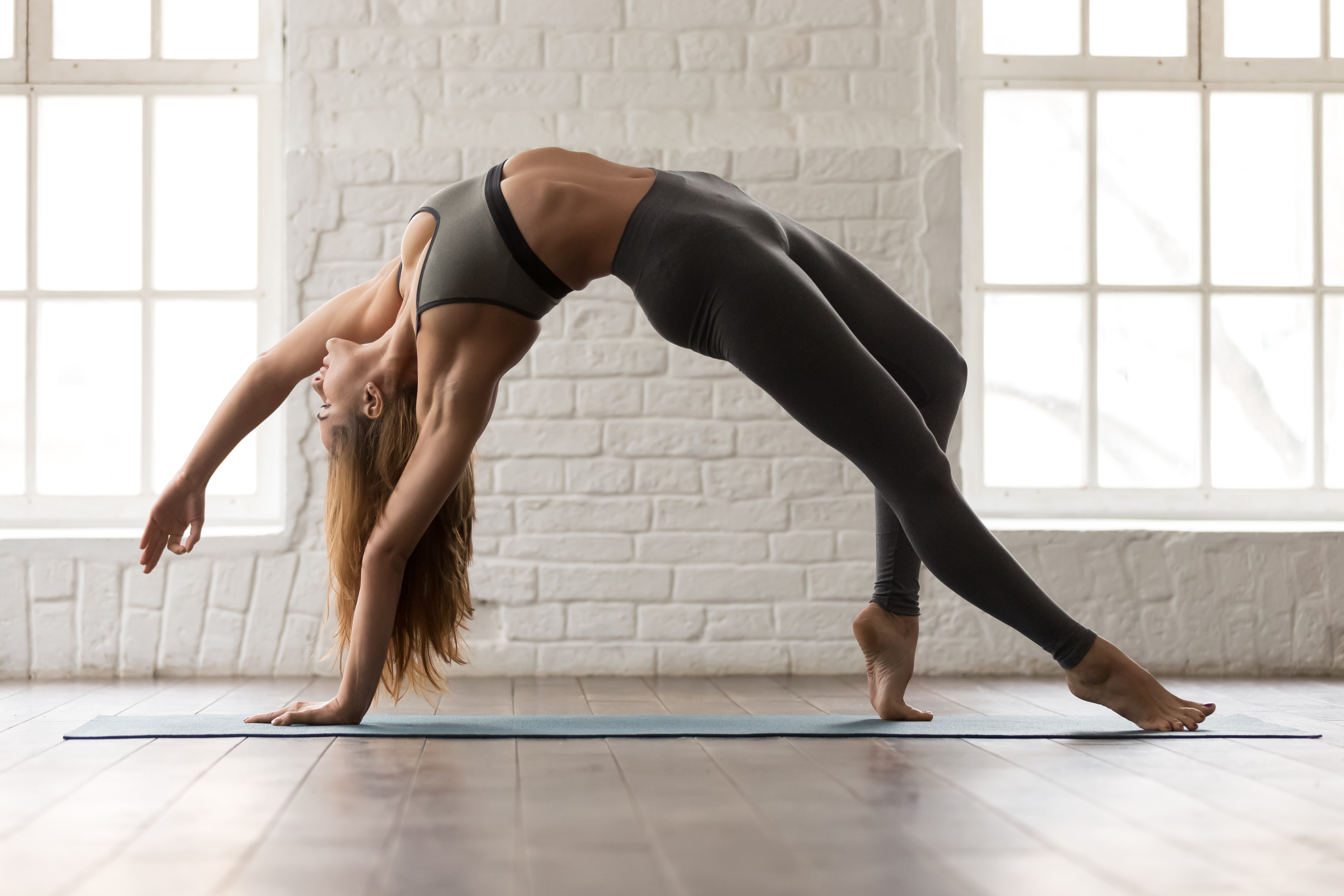
Dave Mercer, a personal trainer at Nuffield Health, sums that up neatly: “Fitness recovery can take many forms, such as stretching, yoga, foam-rolling or even focusing on your post-workout nutrition.”
That range is part of the appeal. Recovery is no longer a blank space between training days. It is a set of tools, and the smart approach is choosing the ones that fit your body, your schedule and the sort of exercise you actually do.
Food, inflammation and the unglamorous basics

For all the excitement around gadgets and recovery lounges, the old workhorses still matter most. Nutrition remains one of them.
Upton says: “nutrition is really key – and following a high-protein diet is important for anyone who trains hard. Protein’s primary role in the body is growth and repair, and this can help to minimise muscle soreness after a workout,” he adds.
That is the practical end of sports nutrition. Protein supports muscle repair. Whole foods help replenish energy. Smart eating habits improve the body’s ability to adapt rather than merely survive.
Inflammation is another piece of the puzzle, particularly for people training regularly and recovering poorly. Upton warns: “In an inflamed state, it’s not only the risk of injury that increases but the time taken to recover too. Eating a diet rich in green vegetables and essential fats containing anti-inflammatory omega-3s, like oily fish, whilst limiting overly-processed foods is a good rule to follow when looking to reduce inflammation.
“Foods that are pro-inflammatory include refined sugar, alcohol, trans and hydrogenated fats, pro-inflammatory omega-6 fats like seed and vegetable oils.”
None of this is terribly glamorous, which may be why it gets ignored. But a sensible plate of food and a decent night’s sleep still outperform most miracle claims being sold in athleisure packaging.
Sleep: the best recovery tool money doesn’t need to buy
There is no fashionable way to say this: sleep still runs the show.
Upton’s verdict is refreshingly direct: “Sleep is the best free recovery and performance-enhancing tool in your arsenal. It’s the body’s way of recharging our batteries, recovering our energy and regenerating our cells.”
That may be the least sexy advice in fitness and perhaps the most useful. The body does a remarkable amount of repair work while you are unconscious and not posting about it. Recovery routines can help, but if sleep is poor, the whole system starts to wobble.
Why active recovery has taken off
The phrase once sounded like a contradiction dreamt up by someone who cannot sit still. Now it has become standard practice.
“Staying active, moving your body and using your muscles is important, even when you are recovering,” says Upton.
The point is not to turn every rest day into a secret training session in disguise. It is to keep the body moving without piling on more fatigue. Gentle activity can improve circulation, reduce stiffness and help sore muscles feel less like old rope.
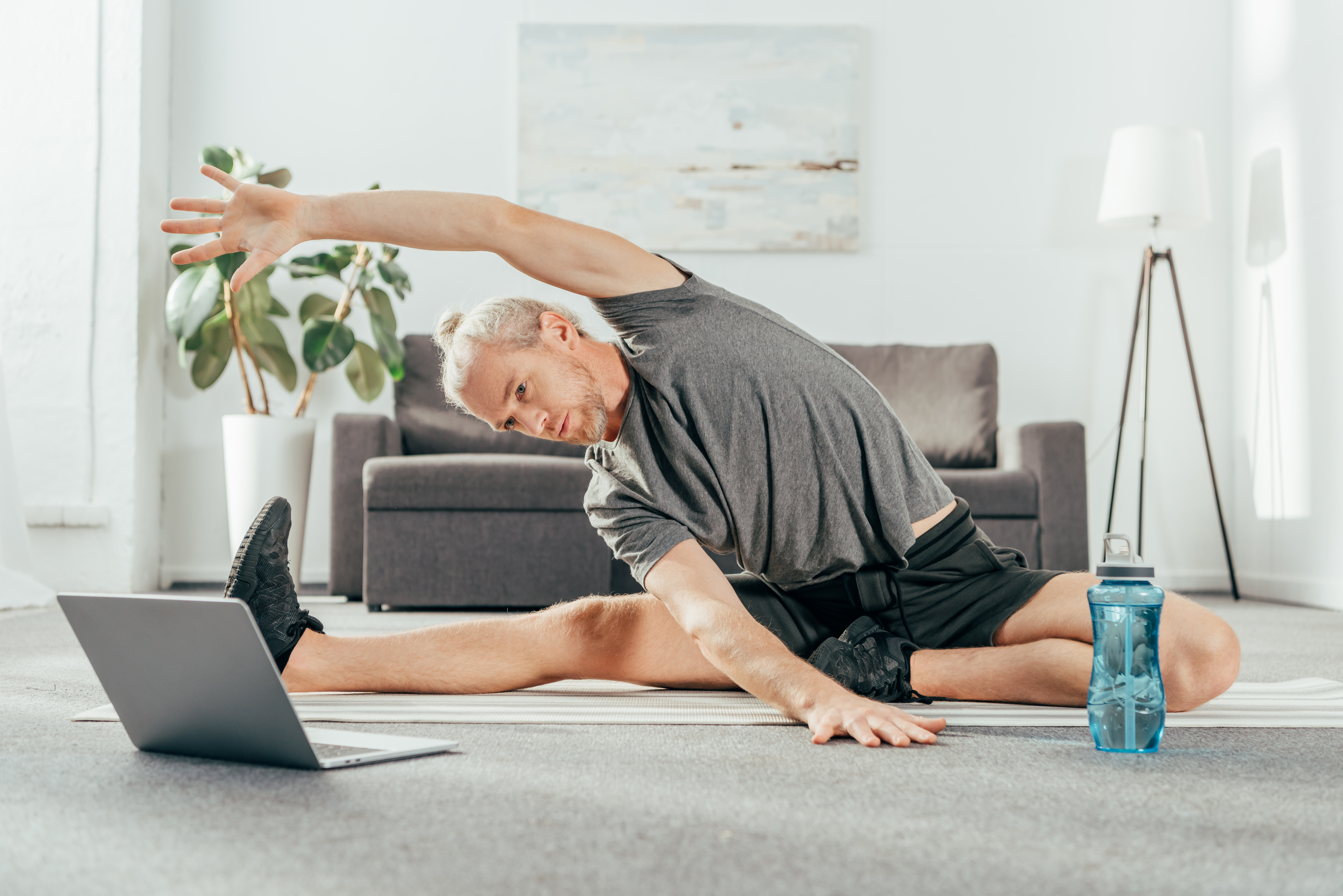
Upton explains: “Types of active recovery that are low-impact and not overly taxing on your body can be things like a gentle walk, swim or bike ride, or even yoga. Massage or using a foam roller can help increase circulation and nutrient delivery while ‘breaking down’ tightly-bound muscles,” he adds.
That helps explain the surge in stretch classes, mobility sessions and yoga-based recovery blocks. They scratch the itch to do something, while still allowing the body to recover from heavier work.
The business of recovery has arrived
There is no fashionable way to say this: sleep still runs the show.
Upton’s verdict is refreshingly direct: “Sleep is the best free recovery and performance-enhancing tool in your arsenal. It’s the body’s way of recharging our batteries, recovering our energy and regenerating our cells.”
That may be the least sexy advice in fitness and perhaps the most useful. The body does a remarkable amount of repair work while you are unconscious and not posting about it. Recovery routines can help, but if sleep is poor, the whole system starts to wobble.
Why active recovery has taken off
The phrase once sounded like a contradiction dreamt up by someone who cannot sit still. Now it has become standard practice.
“Staying active, moving your body and using your muscles is important, even when you are recovering,” says Upton.
The point is not to turn every rest day into a secret training session in disguise. It is to keep the body moving without piling on more fatigue. Gentle activity can improve circulation, reduce stiffness and help sore muscles feel less like old rope.
Upton explains: “Types of active recovery that are low-impact and not overly taxing on your body can be things like a gentle walk, swim or bike ride, or even yoga. Massage or using a foam roller can help increase circulation and nutrient delivery while ‘breaking down’ tightly-bound muscles,” he adds.
That helps explain the surge in stretch classes, mobility sessions and yoga-based recovery blocks. They scratch the itch to do something, while still allowing the body to recover from heavier work.
The business of recovery has arrived
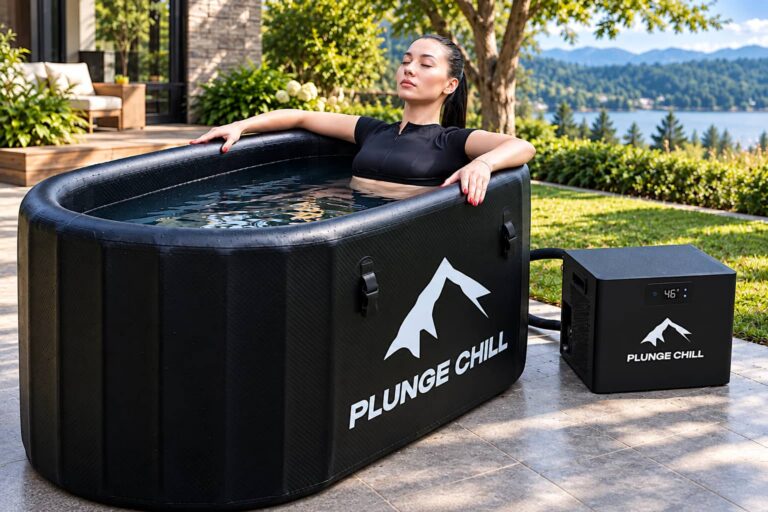
The most visible symbols of the trend are the gadgets, especially those promising faster relief for sore, stiff or overworked muscles.
Ben McNamara, community manager at Theragun, sees the wider shift as part of a broader health awakening: “The growth of the health, fitness and wellness industry in recent years has been instrumental in getting people to sit up and pay more attention to recovery as part of a greater appreciation of our health.”
Theragun’s percussive therapy device is a good example of where the market has gone. It offers a portable, aggressive form of self-massage intended to loosen knots, reduce stiffness and bring some deep-tissue relief without booking a therapist and remortgaging the dog.
McNamara believes the appetite for this category is not hard to explain: “It’s no secret we’re living in an increasingly time-poor society, where people are often confined to a desk, day in, day out, and that’s only exacerbated the need for proper recovery.”
That feels about right. Modern life leaves plenty of people under-moved, over-seated and then suddenly trying to compensate with very enthusiastic exercise. Recovery tech steps into that gap and offers convenience, if not always miracles.
Recovery is mental as well as physical
One of the more sensible developments in all this is the recognition that rest days are not just about muscle tissue. They also matter for mood, energy, concentration and general mental wear and tear.
That is why recovery-focused spaces now often blend physical and mental reset. Breathing classes, meditation sessions and mindfulness studios have found an audience among the same people who spend the week chasing personal bests and punishing intervals.
It turns out the nervous system enjoys a day off too.
The smarter way to train
The new wisdom is not that hard training has become obsolete. Far from it. Effort still matters. Discipline still matters. Progress still asks something of you.
But fitness recovery has earned its place because it answers the question that hard training alone cannot: what allows you to come back and do it again, better?
The strongest training plan is not the one that leaves you flattened by Thursday. It is the one that keeps you improving by Sunday, next month and six months from now. In the end, recovery is not the soft option. It is the intelligent one.