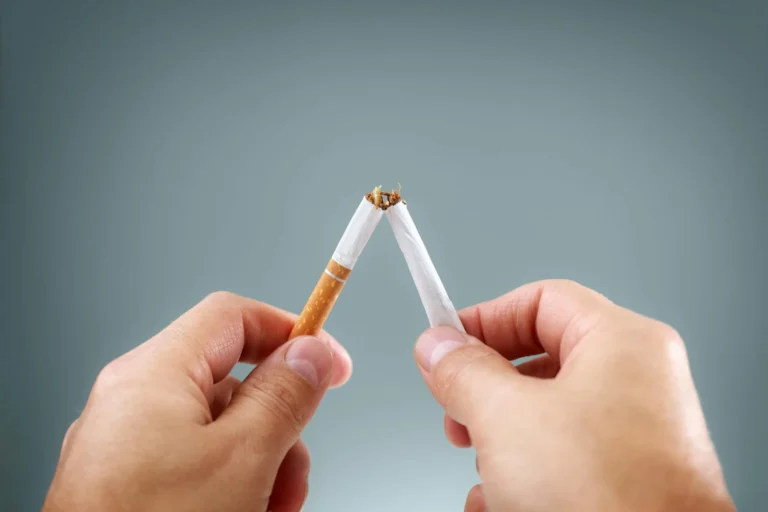
Quitting smoking must be a gradual process
Smoking alternatives can be the difference between yet another failed quit attempt and finally stubbing out the habit for good. Used properly, smoking alternatives like nicotine pouches and patches can help you step down your dependence on cigarettes instead of trying to go “cold turkey” overnight and falling flat on your face.
Quitting smoking is hard graft. Nicotine has trained your brain to expect a hit on schedule, and when it doesn’t arrive, the withdrawal symptoms – irritability, cravings, poor sleep, trouble concentrating – can be enough to send you straight back to the packet. In fact, a 2019 report found that over 23% of Brits actually became more dependent on cigarettes and other vices after a failed cold-turkey attempt.
For many people, a gradual, structured approach – backed by evidence-based smoking alternatives and proper support – is simply more realistic and more likely to stick over the long haul.
Below, we break down the smoking alternatives that can genuinely help, the ones you should treat with caution, and how to use them in a way that gives you a fighting chance of quitting for good.
Why “just stopping” so often goes wrong
The idea of waking up one morning a brand-new, smoke-free saint is appealing, but for most long-term smokers, abrupt quitting is brutally difficult. Nicotine has rewired reward pathways in your brain, and removing it overnight can trigger strong physical and psychological withdrawal.
When that hits, willpower alone is rarely enough. You’re more likely to:
- “Just have one” cigarette that becomes a full relapse
- Swap cigarettes for another unhealthy vice
- End up smoking more than before, convinced you’ve “failed” and there’s no point trying again
That’s where well-chosen smoking alternatives come in: they don’t magically cure addiction, but they can soften the landing, reduce withdrawal, and buy you enough breathing space to change your habits.
Smoking alternatives that are worth considering
Nicotine pouches: discreet backup for busy days
Nicotine pouches are small, tobacco-free pouches placed between your lip and gum so nicotine can be absorbed through the lining of your mouth. They don’t need a lighter, there’s no smoke, and you’re not inhaling anything into your lungs.
The products showcased on Prilla show that the top nicotine pouches are available in various strengths. For example, you can start using a stronger dose such as 10mg if you’re a heavy smoker.
Then, you can gradually lower the dosage to 3mg once you’re more comfortable. These pouches also come in different flavours like dragon fruit, mint, and coffee to suit your tastes.
Because they’re small, nicotine pouches are discreet and can be used in public spaces. This means they’re easily available to combat your withdrawal symptoms.
Used sensibly, pouches can:
- Take the edge off sudden cravings
- Help you through high-risk moments – commuting, work breaks, social events
- Avoid second-hand smoke and the thousands of toxic chemicals in cigarettes
But let’s be clear: they still contain nicotine, which is addictive. They are an option for people who already smoke and are trying to quit – not a new hobby for non-smokers. And if you’re pregnant, have heart or circulation problems, or are on other medication, you should speak to a healthcare professional before using any nicotine product.
Nicotine patches: slow and steady support
Nicotine patches are placed on the skin – usually your hip, shoulder or upper arm – and deliver a low, steady dose of nicotine through the day. They’re one of the most established forms of nicotine replacement therapy (NRT), and large reviews show NRT products can roughly double your chances of quitting compared with willpower alone.
The patches sold by Nicotinell are available in 21mg doses. While that may seem like a lot, do note that it releases nicotine gradually throughout the day.
Nicotine patches are often translucent or come in skin tone colours, so they are similarly discreet and can be hidden under clothing. They’re a great option for quitters who prefer not to take anything orally.
Remember that patches must be removed after 24 hours and a new patch must not be placed on the same area of the skin as before.
Patches work best when:
- You use the right strength for your previous smoking level (a pharmacist or stop-smoking adviser can help you choose)
- You combine them with something “fast-acting” for sudden cravings (like gum, lozenges or, in this case, pouches)
- You stick to them every day as part of a clear quit plan
Again, they’re safer than smoking because you’re not inhaling tar, carbon monoxide or thousands of burned-chemical byproducts – but they are still a medical product, and you should always follow the instructions or seek professional advice.
Smoking alternatives that aren’t the magic answer
Not all smoking alternatives are created equal. Some products are heavily marketed as “cleaner” or “safer” without long-term evidence to back up the hype.
Vapes: less harmful than smoking, but not a free pass
Vapes are electronic devices that allow you to inhale vapour containing nicotine. Like other smoking alternatives, vape liquids come in different flavours like strawberry and candy floss.
While it is less harmful than smoking, it does not mean it is risk-free. The NHS’ take on vaping reveals that its side effects include shortness of breath, coughing, and a dry throat—effects that are similar to those experienced by cigarette smokers.
This is because you’re still inhaling the vapour into your lungs, despite it not being as harmful as cigarette smoke. Further, there have been instances where smokers who switch to vaping end up using both that and cigarettes. This outcome only doubles their nicotine intake rather than completely eradicating it.
The current evidence says:
- For adult smokers who switch completely from cigarettes, vaping is likely to be far less harmful in the short and medium term
- Vaping is not risk-free, and the long-term effects are still being studied
- Children, teenagers and non-smokers should not vape at all
So, could vaping play a role as a smoking alternative? Possibly – but only as part of a planned, time-limited quit attempt for existing smokers, not as a lifestyle accessory. And if you’re using a vape and still smoking, you’re not cutting your risk the way you think you are.
Heated tobacco: different gadget, same old problems
Heated tobacco devices warm tobacco leaves to release nicotine without actually burning them. They’re smoke-free because they don’t necessarily burn the tobacco but heat it enough for you to inhale something.
Since it doesn’t produce smoke, one would think it is a better option. However, this is not the case. Heated products can still cause damage to the lining of your blood vessels.
To add, an International Journal study found that heated tobacco product users were less prepared to quit as compared to cigarette smokers.
Independent research backs up those concerns. Studies in humans and animals show that even brief use of heated tobacco can impair blood vessel function, increase arterial stiffness and affect blood clotting – all red flags for heart and circulation problems.
It would be counterproductive to stop smoking using heated tobacco since you’ll only be switching to another unhealthy vice. You’re not removing nicotine, you’re not removing risk – you’re just changing the device in your hand.
Making smoking alternatives work for you – not the other way round
If you’re going to use smoking alternatives, you may as well stack the deck in your favour. Here’s how to do it in a way that’s honest and effective instead of wishful thinking.
1. Set a real quit date – and mean it
Pick a date in the next couple of weeks and mark it. In the days leading up to it:
- Cut down the number of cigarettes you smoke
- Work out when your worst cravings usually hit
- Decide which smoking alternatives you’ll use and when
Having a clear plan beats vague “I’ll stop next month” promises every single time.
2. Combine support with the right products
You don’t have to do this on your own – and frankly, you shouldn’t. NHS stop smoking services can offer free one-to-one or group support, plus access to NRT like patches, gum, lozenges, inhalators or sprays, and sometimes prescription medication such as varenicline or bupropion.
That mix – expert support plus properly used smoking alternatives – gives you a far better chance than white-knuckling it alone.
3. Use nicotine to step down, not stay stuck
Whether you’re using nicotine pouches, patches or both, the goal is to reduce your nicotine dependence over time, not swap one forever-habit for another. That means:
- Starting on a strength appropriate for how much you used to smoke
- Gradually stepping down to lower strengths
- Setting a date to stop using nicotine products altogether
If you’re still on the same dose a year later with no plan to cut down, it’s time for an honest chat with your stop-smoking adviser or GP.
The bottom line
Quitting smoking can be challenging, but not impossible. With the right smoking alternatives, you’ll gradually be able to quit and stop being dependent on cigarettes.
Use nicotine pouches and patches as tools, not crutches. Treat vapes – if you use them at all – as a short-term stepping stone, not a cool accessory. Steer well clear of heated tobacco if you’re serious about improving your health.
Most importantly, don’t try to be a hero. Get support, use what the evidence says actually helps, and give yourself long enough for new habits to bed in. You’ve already proved you’re tough enough to live with smoking; you’re absolutely tough enough to live without it.