Studies show how a tasty, healthy brew is just as efficient as water in keeping your body and mind hydrated
If you thought tea was just Britain’s favourite comfort blanket, think again. Tea, as it turns out, is elbowing its way into the world of sport and fitness with the confidence of a seasoned prop forward. A new paper, Tea for Sport and Fitness: A Scoping Review, has served up fresh evidence that tea isn’t just a pleasant ritual—it’s a legitimate performance booster.
This research pulls together study after study suggesting tea isn’t simply a cosy companion on a cold morning; it’s a potent addition to any athlete’s daily routine. And considering 77% of British adults already drink the stuff, four cups a day—the amount noted for tangible benefits—doesn’t sound like much of a stretch.
Dr Tim Bond of the Tea Advisory Panel (TAP) puts it plainly: the fuel we put in determines the performance we get out.
“In the UK, Public Health England recommends 6 to 8 hydrating drinks per day, which includes water, lower-fat milk and sugar-free drinks such as tea.
A staggering 50 to 60% of our body weight is water so we need to keep this topped up regularly. And if you like to work out and keep active, ensuring your hydration levels are topped up is essential, especially when it comes to performance.”
For years, tea’s caffeine content had people wrongly assuming it was dehydrating. But controlled tests—bloods, urine samples, the whole forensic routine—show tea hydrates just as well as water. The humble brew holds its own.
Nutritionist Dr Emma Derbyshire clears up the caffeine complaint once and for all: “The average cup of tea contains less than half the level of caffeine than coffee.”
No wonder personal trainer—and proud tea loyalist—Chris Ruxton swears by it: “Staying hydrated helps with all aspects of sports performance. We should aim to maintain ‘euhydration’; essentially normal hydration balance and tea helps tick the boxes here.”
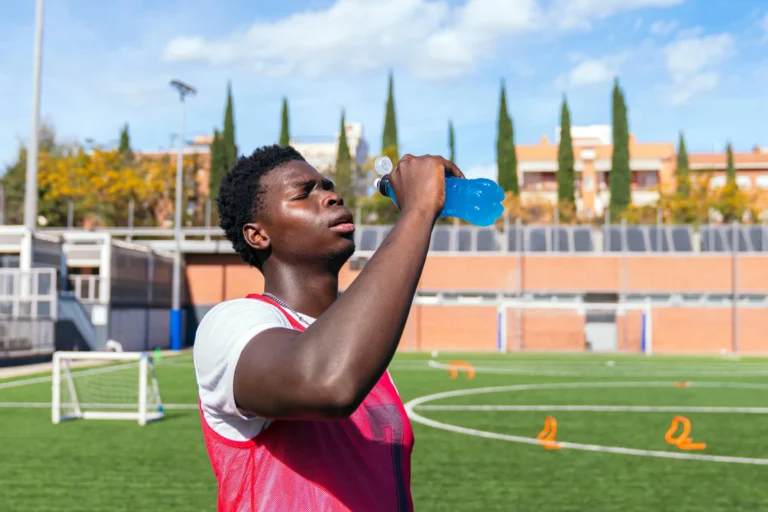
Lose just 2% of your body mass as water and your performance starts sliding. Tea helps plug that gap throughout the day without fuss, frills or fluorescent sports drink branding.
Strength Gains From… Tea? Absolutely.
Here’s where the science starts flexing its muscles—literally.
Men who drank 200ml of mate tea three times a day for eight days had better strength recovery 24 hours post-workout. Meanwhile, Japanese women with sarcopenia (age-related muscle loss) who consumed 350ml of tea daily for three months improved their walking speed thanks to gains in muscle mass strength.
Tea isn’t just warming your hands. It’s quietly working on your engine.
Tea for Weight Loss: The Matcha Effect
Dr Derbyshire points out another arrow in tea’s quiver: “There’s also the weight loss benefits from tea. Several studies have linked the consumption of matcha green tea to weight loss.
Just 4 cups of matcha green tea drunk over a 24-hour period resulted in increased fat oxidation when volunteers went on a 30-minute brisk walk, while another study proved how sedentary females who drank 3 cups of green tea a day over 8 weeks lost weight around their middle.”
Matcha fires fat-burning into gear and targets central weight—the area most stubborn for many.
Tea and Sleep: The Nighttime Recovery Tool

Sleep is where the real repair happens, and tea seems to help here too.
Dr Bond explains that 300ml or more of low-caffeine green tea can promote better sleep quality and reduce stress:
‘Dubbed the ‘silent killer’, stress can also hinder our sleep so it’s important to reduce it when we can.’
Improved sleep, reduced stress, better recovery—tea’s basically doing the quiet night shift for your body.
Bottom Line
Tea is no longer just something your gran hands you when life gets a bit much. The science now stacks up: hydration, strength, fat-burning, sleep, recovery—all supported by the nation’s favourite hot drink.
So if you needed a nudge, here it is. Pop the kettle on, pour a brew, and let tea pull its weight in your fitness routine.