What you choose to snack on before bedtime can play a big role in how well you slumber
If you’re struggling to sleep, the solution is not necessarily found in counting sheep, buying another pillow, or glaring at the ceiling as though it personally insulted your family. Sometimes, experts suggest, the more useful place to start is the kitchen.
Poor sleep has a way of turning perfectly reasonable adults into badly rebooted laptops. Concentration wobbles. Patience evaporates. The biscuit tin begins to look less like a snack cupboard and more like an emotional support unit.

While diet will not magically cure persistent insomnia, the right evening food choices may help support the body’s natural sleep processes. That means thinking about nutrients linked with melatonin, tryptophan, magnesium, zinc and the calming rituals that tell the brain: enough now, lights out.
Here are four sleep-supporting foods and drinks worth putting on the shopping list.
Nuts: Small, Crunchy And Potentially Useful At Bedtime
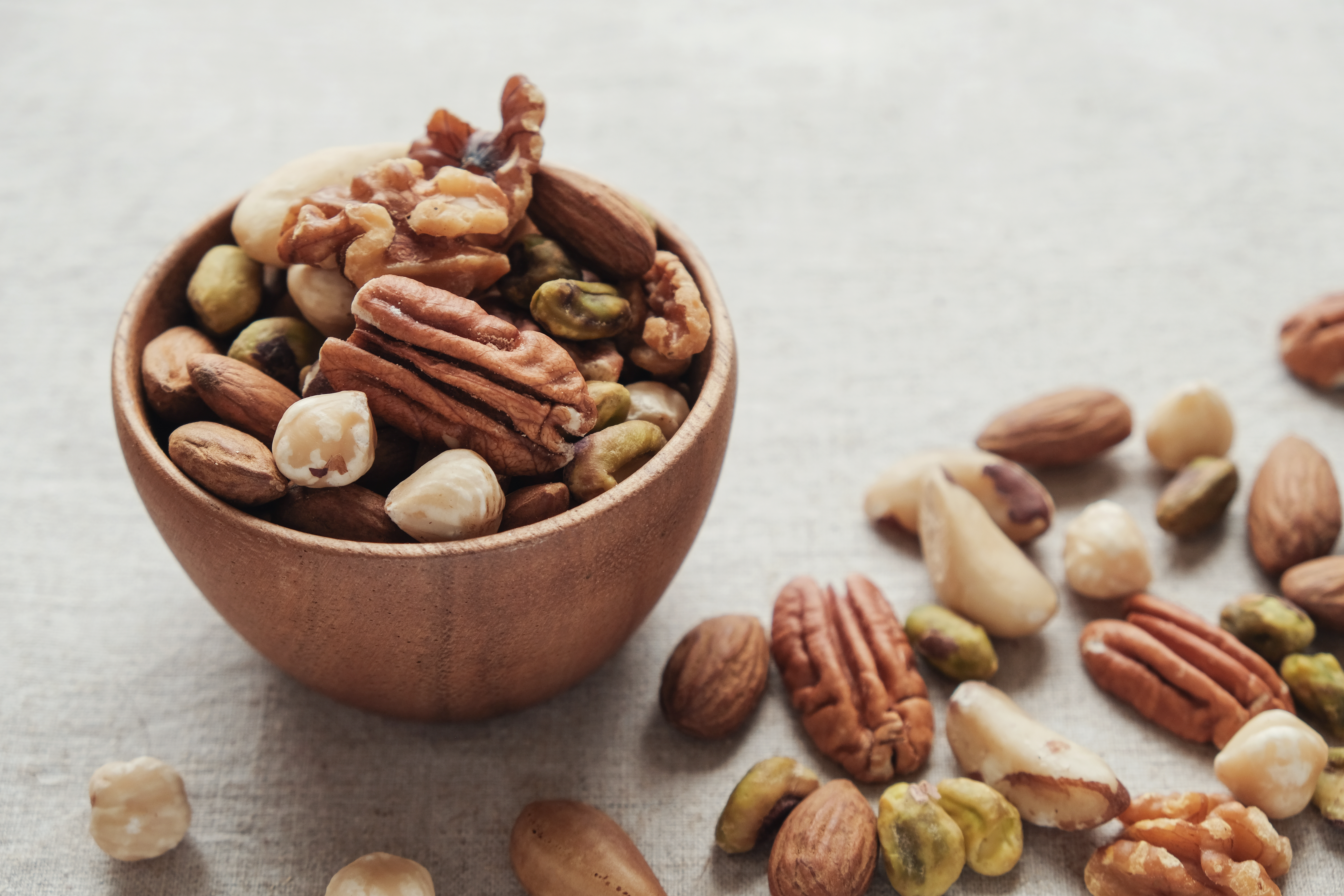
Nuts do not look particularly soothing. They rattle about in a bowl like gravel in a golf buggy. Yet almonds, walnuts, pistachios and cashews have earned their place in the sleep conversation because they contain nutrients associated with rest and recovery.
These nuts are thought to support sleep quality partly because they contain melatonin, the hormone that helps signal to the body that it is time to sleep. They also bring protein, fibre and essential fats to the table, along with minerals such as magnesium and zinc.
Magnesium is often discussed in relation to relaxation and muscle function, while zinc plays a role in wider health and recovery. Together, they make nuts a more intelligent evening snack than the sort of sugar-heavy option that barges into your bloodstream wearing tap shoes.
“Studies show that eating a handful of nuts a day can increase levels of serotonin, a hormone that makes us feel happier too,” adds nutritionist Anita Bean.
A handful is the operative phrase. Not half a family-sized bag consumed while standing by the fridge in slippers, looking haunted.
Turkey: Not Just For Christmas And Sleepy Uncles
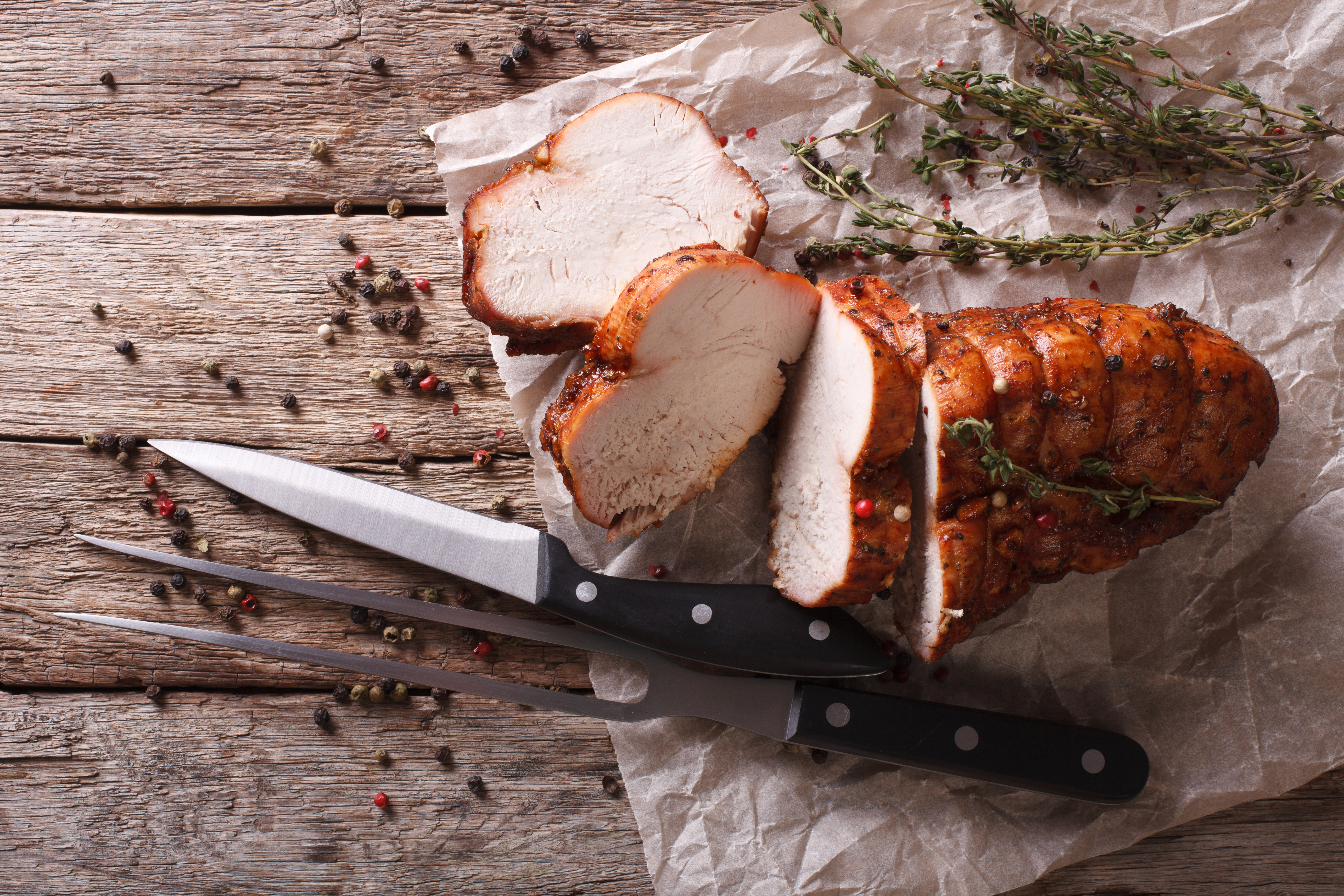
Turkey has long carried a reputation for making people drowsy, although it is often unfairly blamed for the post-lunch collapse that follows a festive plate large enough to require planning permission.
Still, turkey and other protein-rich poultry contain amino acids, including tryptophan, which is central to the body’s sleep chemistry.
“Tryptophan is really important for sleep, as it’s used in the brain to synthesise the sleep hormone melatonin,” explains Healthspan nutritionist Rob Hobson.
Because the body cannot produce tryptophan by itself, it has to come from food. Turkey is one option, but it is not the only one. Soy, seeds, oily fish, beans and pulses can also provide tryptophan, making this a useful route for meat-eaters, vegetarians and anyone whose relationship with roast turkey is limited to polite seasonal appearances.
The practical point is simple: a balanced evening meal containing quality protein may support the building blocks the body uses for sleep.
Pasta And Rice: Carbs With A Bedtime Role
Carbohydrates are often treated like dietary villains, lurking in cupboards and plotting against waistbands. But in the context of sleep, they may have a legitimate role.
A large bowl of pasta can leave many people feeling ready for bed, though portion size and timing still matter. The more useful explanation is that carbohydrates may support the uptake of tryptophan into the brain, helping encourage the calming processes that prepare the body for sleep.
“If you’re struggling with restless nights, I’d recommend eating an evening meal that contains carbohydrates such as pasta or rice, as this helps with the uptake of tryptophan into the brain,” says psychologist Dr Meg Arroll (drmegarroll.com).
That is not a licence to treat dinner like a competitive eating event. A sensible serving of pasta, rice or another carbohydrate as part of a balanced evening meal may be more helpful than going to bed hungry, over-caffeinated and faintly furious.
For people struggling to sleep, the smartest plate is usually not extreme. It is steady, satisfying and timed well enough that the digestive system is not still doing cartwheels at midnight.
Camomile: The Bedtime Brew With Better Manners Than Coffee

There is something civilised about a warm drink before bed. Unfortunately, coffee at 10pm is less a comforting ritual and more a written threat to your nervous system.
Camomile tea is the calmer alternative. It contains apigenin, a plant compound that is thought to interact with brain receptors involved in sleep. It also has the advantage of turning bedtime into a ritual rather than a negotiation.
For many people, that ritual matters. The mug, the warmth, the lack of caffeine and the quiet few minutes away from screens can all help create a more sleep-friendly routine.
Camomile will not knock you out like a cartoon mallet, and nor should it. But as part of a broader bedtime pattern — dimmer lights, fewer stimulants, less doom-scrolling and a more consistent routine — it may help nudge the body in the right direction.
The Bottom Line On Food And Sleep
If restless nights have become a regular feature, diet is only one part of the picture. Stress, caffeine, alcohol, irregular bedtimes, late-night screens, medication, health conditions and lifestyle pressures can all play their part.
Still, the foods you eat in the evening can either help the body prepare for rest or make sleep feel like a committee meeting chaired by a squirrel.
Nuts, turkey, pasta, rice and camomile tea are not miracle cures. They are practical, accessible options that support the nutrients and routines associated with better sleep. For anyone struggling to sleep, that is a sensible place to begin.
The bedroom may be where sleep happens, but the groundwork often starts much earlier — sometimes with a handful of almonds, a proper dinner and the radical decision not to finish the day with a double espresso.