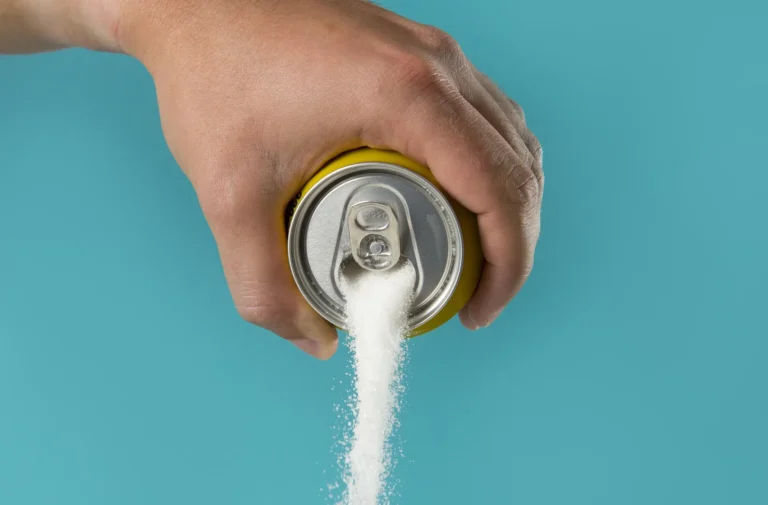
Learn why sugar addiction mimics drug dependency and how Dr Mosley’s Fast 800 approach helps curb cravings effectively.
Sugar addiction has a way of strolling into your life like a harmless treat and then quietly rearranging the furniture. One biscuit becomes three. One “little something” after dinner becomes a nightly ritual. And before you know it, you’re negotiating with yourself like a hostage mediator—except the villain is a packet of chocolate buttons and it lives in your kitchen.
Dr Michael Mosley, the man behind the Fast800 programme, spent years cutting through nutritional nonsense, and he’s blunt about the scale of the problem. Dieters, he says, don’t just battle temptation—they battle biology.
“We’ve all been there: the empty box of chocolates, the litter of sweet wrappers, the feelings of never-again – joined, of course, to a longing for more.
Sweet food, unlike savoury food, never seems to arrive in large enough quantities.
Sugar addiction is real: it cues people to eat sugar when it is present, to crave it when it is not, and as people eat more sugar, their appetite for sugary food increases.
Obesity levels continue to soar, and so does the threat to public health.”
That’s not melodrama; it’s the modern food environment described with the politeness removed. The uncomfortable truth is this: for many people, sugar doesn’t behave like “a little indulgence.” It behaves like a trigger—reliable, repeatable, and very hard to ignore once it’s been pulled.
The brain loves sugar. That’s the problem.
He’s not exaggerating. The brain lights up for sugar with the same fireworks display triggered by cocaine and heroin. It’s reward circuitry run amok: dopamine hits, urges deepen, and before long you’re standing over the biscuit tin wondering where your self-respect went.
And here’s the catch: the more often that circuit fires, the more efficiently it learns. Sugar addiction isn’t just about liking sweet things. It’s about patterns—cue, craving, repeat—until the habit starts to feel like it has hands.
Why sugar grabs hold and doesn’t let go
From the very first bite, sweet food kicks off a neural chain reaction powerful enough to keep even the most disciplined eater circling back for more. Deep in the midbrain, dopamine pours in like someone opened a fire hydrant. That sudden rush is exactly what fuels sugar addiction, pushing you to eat, repeat and regret.
Researchers have even watched this play out in real time. A famous University of Bordeaux study gave 43 laboratory rats the choice between a sucrose drink or intravenous cocaine. Eight opportunities a day, fifteen days straight. Within two days, the rats made their loyalties very clear—straight for the sugar, and with gusto.
They even worked harder for it. More lever presses, more patience for delays, more determination. And when scientists swapped sugar for saccharine, the rats didn’t flinch. Turns out sugar addiction isn’t about glucose at all—it’s the sweet taste that drives the compulsion.
Then there’s the opiate angle. A dose of sugar triggers the release of the body’s own opioid chemicals—the same family involved in morphine and heroin. Take sugar away from rodents after prolonged use and they tremble, chatter their teeth and shake like they’re in withdrawal.
Not everyone buys the rodent comparisons, but the message from Mosley is clear: humans may not live in cages, but we’re surrounded by sugar 24/7—and acting on impulse just as predictably.
Why our diets crash and burn
Back in the prehistoric world, a sudden sweet feast was a blessing. Life didn’t deliver dessert on demand. But today, high-calorie food is everywhere, and the ancient wiring still fires.
This is where conventional dieting goes sideways. Restrictive plans force your brain into famine mode. Hunger sharpens, cravings sharpen, and before long you’re elbow-deep in a family-sized packet of something you swear you bought “just for guests.”
The other force at work is what Mosley calls metabolic overload. Constant sugar intake triggers constant insulin release. But insulin receptors aren’t built to be on duty 24 hours a day. Over time they dull, slow down, and leave your cells crying out for more glucose. So you eat again. And again. The hit shrinks. The servings grow.
It’s the perfect storm for sugar addiction, and junk food manufacturers know it.
How to break free from sugar’s grip
Mosley and his Fast800 medical team aren’t interested in hand-wringing. Their advice is direct, practical and doable.
1) Choose full-fat food.
“Low fat” often translates to “sugar added.” Full-fat choices keep you satisfied for longer.
2) Drink water, not sugar.
Soft drinks and fruit juices pack a staggering amount of sugar. If plain water bores you, add lemon or cucumber.
3) Read your labels.
Hidden sugars lurk everywhere. The only defence is knowing what you’re really consuming.
4) Dive into the Fast800 resources.
“Visit www.thefast800.com and find more tips and sugar-free recipes to help you counter sugar addiction, lose weight, improve mood, reduce blood pressure, inflammation and improve blood sugar levels.”
The Fast800 approach, built with Dr Mosley’s guidance, leans on evidence rather than fad. It’s designed for those who want long-term results, not temporary victories followed by old habits snapping back like a rubber band.
A final word
The stakes are rising, and the framing matters. Sugar addiction isn’t simply a character flaw or a willpower wobble—it’s chemistry, conditioning, and a food landscape engineered for overconsumption. The good news is that patterns can be interrupted. With the right structure, the cravings don’t have to run the show.