What Hot Pilates is, how it differs, benefits, and the truth about aches, metabolism and weight loss.
If you’ve spent any time on fitness TikTok lately, you’ll have seen Hot Pilates bubbling away like a kettle someone forgot on the hob—equal parts intriguing, intimidating, and weirdly addictive. Pilates was already having a moment (low-impact, low-faff, high-reward), but add heat, humidity, and a little theatre, and suddenly everyone wants to “just try one class” and then walks out looking like they’ve been gently poached.
Pilates has taken over for good reasons: short sessions can still feel productive, it’s accessible across ages and abilities, and you don’t need a small warehouse of kit to get going. But Hot Pilates isn’t here to be polite. It’s here to turn the dial up.
To separate the genuine benefits from the sweaty mythology, we spoke to Abby McLachlan, Founder of pilates studio, East of Eden, who answered the most common questions about why Hot Pilates is trending—and what you’re actually signing up for when you step into the heat.
What is Hot Pilates, exactly?
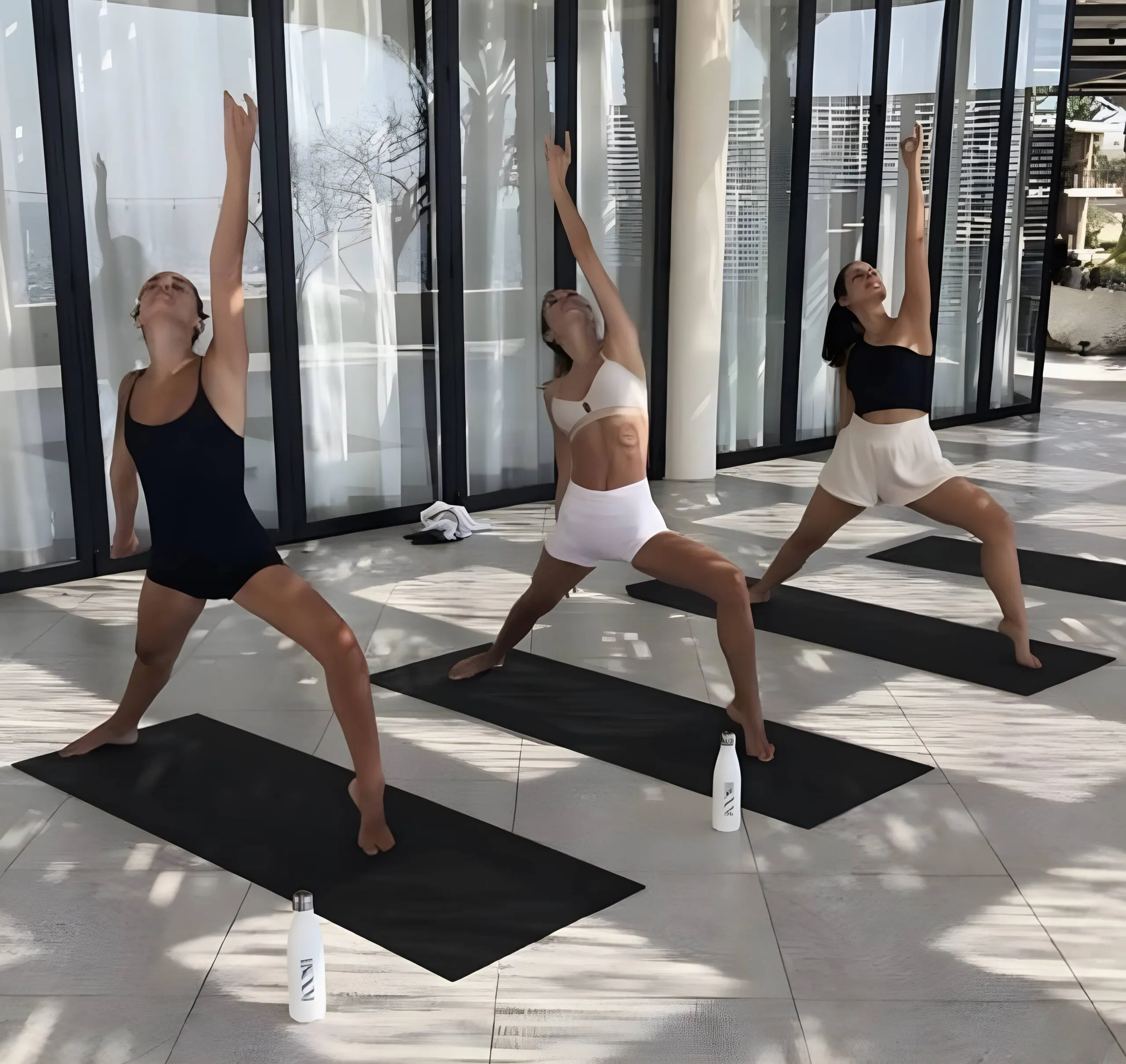
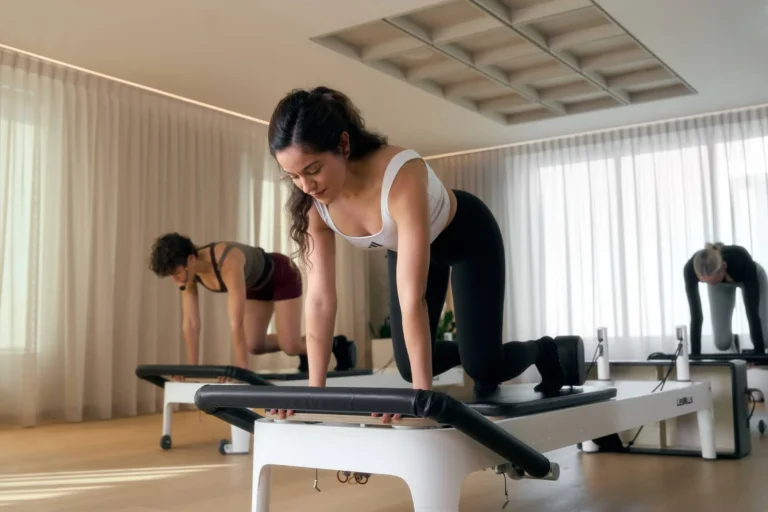
At its core, it’s Pilates principles taught in a heated room—simple idea, a serious sensation.
“Hot Pilates is simply a class using Pilates principles in a warm room. Our hot yoga and Pilates classes at East of Eden is taught at 37 degrees, with 50%+ humidity.”
And if that sounds like a brisk stroll through the tropics, wait for the spicier option:
“Some studios offer more classical Pilates in the heat; however, you can also get a dynamic high high-intensity, low-impact class called Inferno Hot Pilates. This is a Pilates-based HIIT class in the heat to increase the intensity and challenge – not for the faint-hearted!”
So yes, it can be controlled and classical. Or it can be a low-impact fire drill with core work.
How does Hot Pilates differ from “normal” Pilates?
Heat changes everything. Not just how you feel—but how hard the room makes you work to stay composed.
“Aside from the heat and humidity, and at East of Eden, the use of aromatherapy scents and coloured lights to enhance the experience, hot Pilates tends to be more dynamic, more focused on building strength and endurance, and more of a challenge.”
In other words: you’re not only battling gravity and your own hamstrings—you’re battling the climate.
Why has Hot Pilates suddenly exploded (and why TikTok)?
Fitness trends don’t spread because they’re sensible. They spread because they’re visual, social, and just different enough to feel like a “hack.” Hot Pilates also has a key advantage: it’s hard to replicate properly at home.
“We’ve seen a rise in popularity for classes and workouts that people can’t easily replicate at home, and hot Pilates definitely falls into this category.”
There’s also the novelty factor—Pilates, but with a twist that feels more “event” than “workout.”
“The heat offers something new to the more traditional mat Pilates classes, and people are often attracted to new and challenging workout routines that offer a more intense experience.”
And, of course, the obvious: “The combination of Pilates with a hot and sweaty environment could be appealing to those looking for a different and exhilarating fitness experience.”
Then TikTok does what TikTok does—amplifies the most dramatic version of reality until it becomes a movement:
“Plus, there’s a rise in social media influencers on TikTok talking about hot Pilates, especially Inferno Hot Pilates – this will absolutely lead to a rise in popularity.”
What are the benefits of Hot Pilates?
If you do more traditional Pilates in the heat, you’re largely stacking “standard Pilates benefits” with a couple of heat-driven extras:
“If you are in a more traditional Pilates class in the heat, then you get all the benefits of a regular Pilates class, plus increased flexibility and an enhanced cardiovascular workout as a result of the heat.”
Heat also makes the experience feel more intense—and for some people, that sensation matters. It feels like you’ve done something.
“You might also detoxify through sweating more and improve your circulation.”
And if you go the Inferno route, you’re adding load and pace: “If you try Inferno Pilates, as well as these benefits, you’ll also improve your endurance and calorie burn, and your strength as you’ll use weights and resistance bands to get your muscles working.”
The headline here is that Hot Pilates can still be joint-friendly and low-impact, while feeling far more demanding than your living-room mat session.
Does Hot Pilates reduce aches and pains?
Some people swear by it—especially those who like the idea of warmth loosening tight tissues. But Abby is clear about the evidence and the limits of what anyone should claim.
“Moving your body regularly, and improving flexibility and circulation, plus stress reduction and better sleep from regular exercise will help to reduce aches and pains.”
Pilates itself is often recommended for posture, stability, and trunk control: “Pilates focuses on core strength and stability, and which can help improve posture and alleviate pressure on the back and spine, potentially reducing back pain.”
But when it comes to hot Pilates specifically: “There isn’t any research that I know of specifically relating hot Pilates to reducing aches and pains, although anecdotally I would say it absolutely does, but I would always consult your doctor before starting a new exercise regimen, especially if you are experiencing back pain or recovering from injury.”
That last line is the grown-up bit. The heat may feel wonderful, but if you’re injured or dealing with pain, enthusiasm is not a treatment plan.
Does Hot Pilates boost metabolism?
The logic is straightforward: higher intensity + heat stress can mean you burn more energy during the session, and your body keeps working afterwards.
“Hot Pilates is more physically demanding than traditional Pilates due to the higher intensity and the added challenge of exercising in heat.”
And then: “As a result, it may lead to increased caloric expenditure during the workout, and even afterwards, as your body continues to have an increased oxygen consumption even after you’ve finished the class..”
The outcome depends on the broader picture—especially diet: “When the body expends more calories than it consumes, it can contribute to weight loss and a temporary increase in metabolic rate.”
Can Hot Pilates help with weight loss?
Here’s where reality needs to take the microphone back from the internet. Weight loss is mostly a food equation, supported by activity—not replaced by it.
“Weight loss is primarily influenced by what you eat – burning more calories than you consume.”
Exercise contributes, but it’s not a magic lever: “Exercise can increase energy expenditure which can contribute to weight loss when combined with a balanced diet, plus you’ll feel stronger and sleep better and have better self-esteem if you move regularly and feel strong, but exercise itself won’t help you lose weight.”
Hot Pilates can burn calories (particularly the more intense versions), but the scale can also lie in the short term because sweat is fluid:
“As mentioned above, Hot Pilates, like any high-intensity exercise, can be an effective way to burn calories and the heated environment and intensity of the workout may lead to increased sweating, which could be perceived as immediate weight loss due to water loss. However, this initial weight reduction is temporary and related to fluid loss, not fat loss.”
That is the sentence most “before-and-after” posts conveniently forget to mention.
Who should try Hot Pilates (and who should think twice)?
If you love structure, coaching, and a challenge that doesn’t involve pounding pavements, Hot Pilates can be a compelling upgrade—especially if traditional classes feel too gentle.
But be sensible. Heat is a stressor. If you’re pregnant, managing cardiovascular concerns, prone to dizziness, or recovering from injury, get proper medical advice first and consider starting with non-heated Pilates to build foundations.
Practical tips for your first Hot Pilates class
- Hydrate early, not just on the walk there.
- Arrive 10 minutes early to acclimatise and set up without rushing.
- Bring a towel (and expect to use it).
- Don’t chase the influencer pace on day one—form comes first.
- Eat light beforehand; the room will do the rest.
- If you feel faint, stop. Heroics are for action films, not heated studios.
FAQ
Is Hot Pilates good for beginners?
It can be, but beginners should start with a slower class and focus on technique before jumping into high-intensity formats.
What’s the difference between Hot Pilates and Inferno Hot Pilates?
Inferno is typically faster, more intense, and often uses weights or bands—still low-impact, but more demanding.
Does Hot Pilates burn more calories than regular Pilates?
It may, because heat and intensity can increase energy expenditure, but results vary widely by class style and effort.
Is sweating “detox”?
Sweating helps regulate temperature. People often feel “cleansed,” but “detox” claims are frequently overstated.