From Robbie Williams’ 5am bedtime to chronotypes: the benefits and risks of night owl sleep patterns.
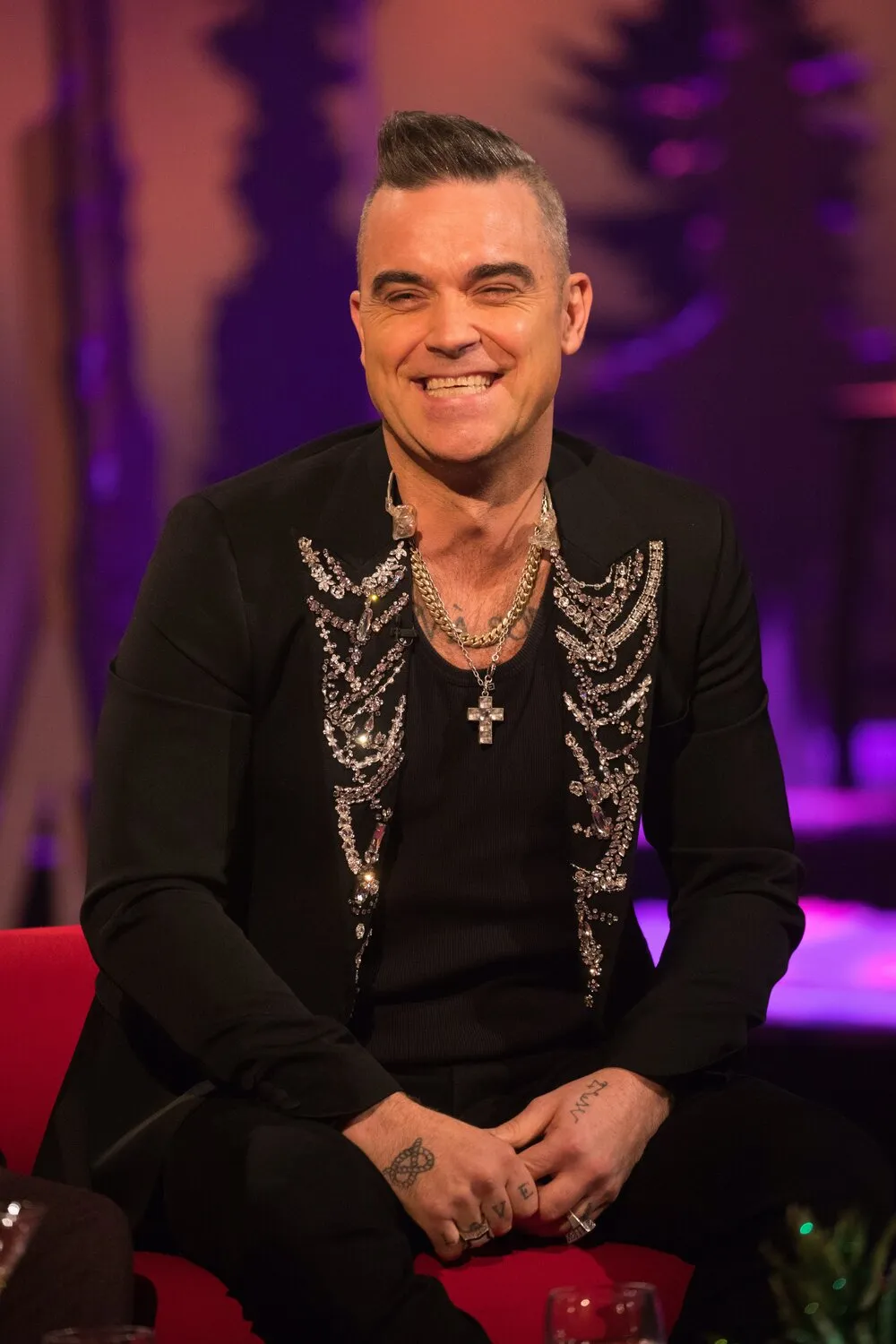
If you think staying up till midnight with Netflix and a packet of biscuits makes you a night owl, Robbie Williams’ idea of sleep will make you look like a rank amateur. The former Take That star treats the small hours the way most of us treat mid-morning – prime time for productivity, pondering and, presumably, the occasional late-night dance move.
Speaking to The Sun about his recent weight loss, the 46-year-old said: “I don’t get up in the morning. You know people say I have been fasting, well, no. “I have just been sleeping through that fast. I don’t sleep until 5 am or 6 am. I’m a night owl; it is the way I am programmed.”
The father-of-four says he’s “very productive” from 1 am until 5 am, then he sleeps until noon. Somewhere in there he’s also Robbie Williams, global pop star and confirmed dad dancer – as his Instagram happily documents – but his body clock is clearly marching to its own drummer.
So is Robbie onto something… or just playing chicken with his circadian rhythm?
Night Owls, Larks and the Science of Your Body Clock
“Night owl is not just a commonly-used expression; it’s actually science,” says Karl Rollison, author of Sleep Ninja.
“As humans, our sleep is controlled by genetics known as our ‘chronotype’. There are two main types: night owls and morning larks.
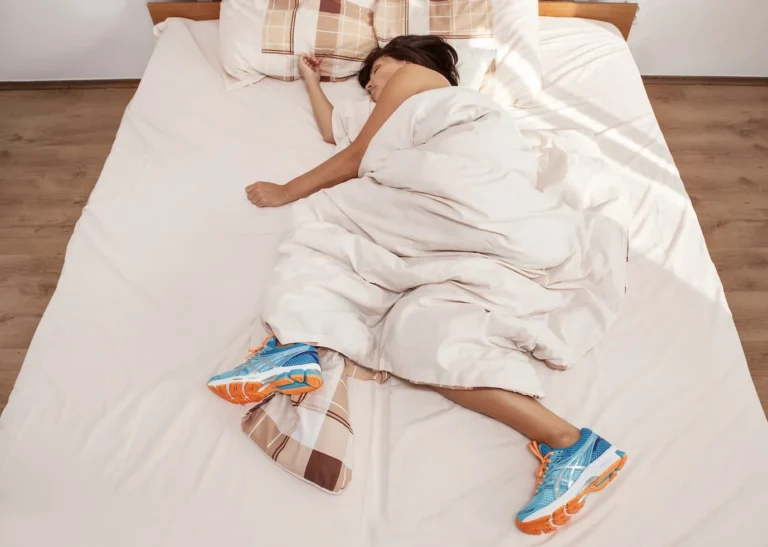
“Owls need their alarm clocks to wake up in the morning, but are most active at night, whereas larks usually wake before their alarm and fall asleep in the early evening.”
In other words, it’s not simply that you “like” staying up late – your wiring may genuinely be set to the Robbie Williams timetable while your boss insists on the 9–5. And that, as any golfer who’s ever tried to putt in the dark will tell you, is a recipe for mishits.
The hitch? Society is built for larks. Office hours, school runs, rush hours – the whole circus is designed around getting up with the birds, not hooting with the owls.
Productivity: Genius After Midnight, Zombie by Lunch

“There is some suggestion that being a night owl may be associated with greater creativity,” says Dr Paul McLaren, Consultant Psychiatrist and Medical Director at Priory Hayes Grove Hospital.
“Reduced mental sharpness may be compensated for by fewer incoming distractions for tasks that require mental sharpness.”
When most people are snoring, the night owl’s world goes wonderfully quiet. No Teams calls, no WhatsApp family chat, no neighbour deciding now is the moment to mow the lawn. Just you, your thoughts and, if you’re Robbie, perhaps a half-finished chorus.
“Working in the small hours usually means fewer demands from others – no emails, texts, social media notifications and most of all, no phone calls,” says Rollison.
“Research suggests that night owls tend to be able to focus on a task for longer than a morning person. They seem to be able to override the natural rhythms that govern us, particularly the ‘circadian rhythms’ or our sleep/wake cycle.”
For deep work, that sounds like heaven. But then comes the bill.
“Night owls have enough problems getting out of bed on a normal day, so the next morning (and possibly the whole day) can be a write-off,” Rollinson adds.
For teenagers and students trying to revise for exams on four hours’ sleep, the impact is even more obvious.
“For teenagers and students, it can have a negative effect on learning and engagement with studies,” says Dr McLaren.
Health: When Late Nights Start to Bite

The romantic picture of the late-night creative quickly fades when you look at what chronic lack of sleep does to the body and brain.
“Trying to sleep during the day after a productive night’s work can be tricky when the whole world is awake and making noise,” Rollison says.
“Being out of sync with our natural rhythms and being awake when we are supposed to be asleep is really bad for our mental health, and can cause anxiety and ‘social jet-lag’.”
That term – social jet-lag – is exactly what it feels like: being permanently a few time zones out of phase with everyone else, even though your passport hasn’t moved.
If you’re consistently staying up past your usual bedtime, you need to ask yourself if you’re getting enough sleep, Dr McLaren warns: “Night owls tend to get less sleep overall, and can end up with a deficit, resulting in daytime tiredness. That can increase the risk of making mistakes and having accidents.
“There is a small but definite increase in mortality rates for night owls,” he continues. “It is associated with a more sedentary lifestyle, less exercise and more food and alcohol and tobacco use, all of which can have a negative effect on physical health.
“For some, it could be a sign of serious mental illness, such as depression, mania or substance misuse.”
So while being a night owl might feel “natural”, scraping by on too little sleep and fuelling yourself with coffee and crisps is not. At some point, your body will call a penalty.
Love, Family and the “Sleep Divorce”
People online were quick to point out that if Robbie Williams sleeps until noon every day, he can’t be doing much of the school run. And that’s where chronotypes stop being just an individual quirk and start to affect the people you live with.
“It may suit your social life or work, but is being a night owl good for family life and intimate relationships?” asks Dr McLaren.
“Chronotype mismatch can lead to ‘sleep divorce,” Rollison says. “As the name suggests, having different sleeping patterns isn’t conducive to a happy relationship.”
If one partner is in bed by 9 pm and up with the sunrise while the other doesn’t even think about sleep before 3am, you end up with a relationship that’s essentially running in shifts.
On the other hand, there can be fringe benefits. Partners of different chronotypes might quietly enjoy having the bed to themselves for part of the night, or relish a couple of hours of peace while the other snoozes on. Still, you don’t need a degree in sleep research to see that permanently missing each other’s waking hours isn’t ideal.
Social Life: King of the Night, Ghost of the Morning
“Night owls are usually party animals who are the last ones standing in social occasions,” says Rollison. “They are alert and active; this is their arena.”
If you’re the one still dancing when the lights come on and the bar staff are stacking chairs, you know the thrill. For nightlife, concerts and late-kick-off football, owls have an obvious advantage.
But while being the life and soul at 2 am on a Saturday is terrific, it’s less helpful when you’re trying to have a lunchtime catch-up with friends or make a 9 am meeting. Most of the world’s social and working life is still scheduled for the daylight hours, not the graveyard shift, and no amount of bravado can fully compensate for chronic lack of sleep.
“Humans are supposed to wake up in the light and sleep in the dark, so it’s not just society that is biased towards larks,” Rollison concludes.
“Being a night owl can be fun and productive, but it can also be lonely, and isn’t great for mental health.”
So Should You Fight Your Inner Owl – or Work With It?

Robbie Williams might be perfectly happy writing songs while the rest of us are drooling on the pillow, but most people don’t have the luxury of structuring their whole life around a 5 am bedtime and a midday wake-up call.
If you recognise yourself in the night owl description, the goal isn’t to shame your body clock into submission – it’s to protect your sleep as much as possible:
- Prioritise enough hours in bed, even if your schedule is shifted later.
- Keep a consistent routine on both weekdays and weekends to reduce “social jet-lag”.
- Use light wisely – bright light in the morning, softer light in the evening – to help your body clock.
- Watch the lifestyle extras: too much sitting, junk food, alcohol and nicotine make everything worse, especially when layered on top of sleep loss.
Being a night owl can feel glamorous, creative and gloriously quiet – a bit like having backstage access to the world while everyone else is stuck in the cheap seats. But if the way you sleep leaves you permanently exhausted, blue and out of step with your own life, it might be time to nudge that chronotype a little closer to the daylight.