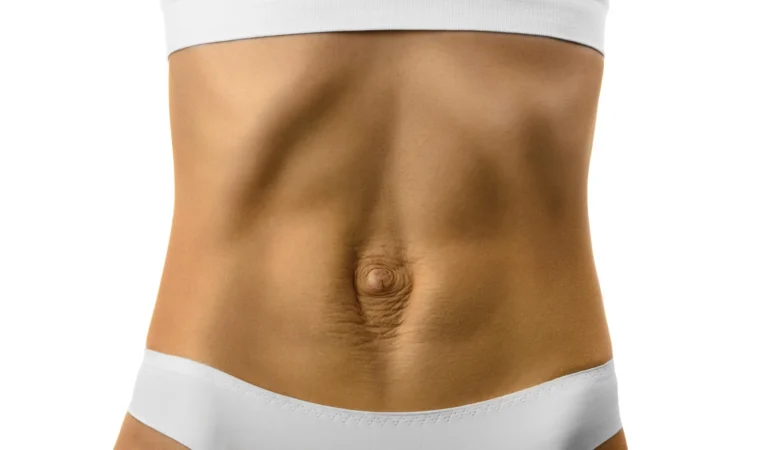
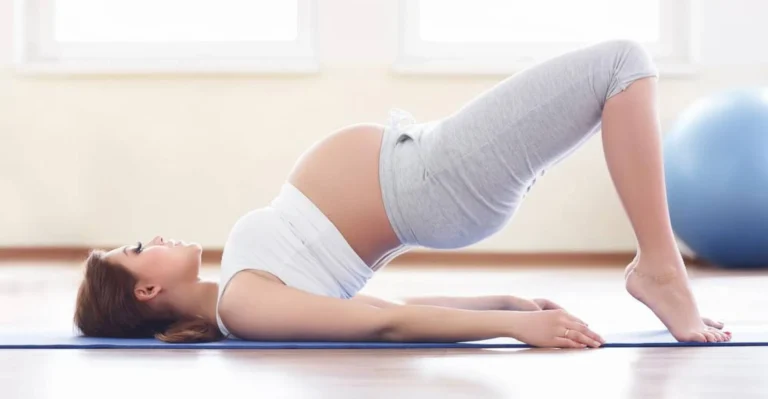
One in two women suffers from abdominal separation, which occurs after pregnancy. The condition may persist well into the menopausal years and, if untreated, may cause urinary incontinence, back pain, hernia, and reduced quality of life.
After childbirth, many women encounter Diastasis Recti—a condition marked by the separation of abdominal muscles. This occurrence can lead to postpartum discomfort like back pain.
However, before anyone starts panic-googling “how to get my stomach back” at 2 am with one hand on a baby bottle, it’s worth saying this plainly: this is common, it is manageable, and it responds far better to smart steps than to heroic ones.
Let’s talk about what’s going on, what helps, and what absolutely isn’t worth rushing.
Understanding Diastasis Recti

Diastasis recti entails the parting of the rectus abdominis muscles that extend along the abdominal midline. This separation emerges when the linea alba—the connective tissue uniting the abdominal sides—undergoes excessive stretching during pregnancy, lacking ample time for proper recovery.
This condition is more prevalent among women who undergo multiple pregnancies or those who omit regular prenatal exercise. Diastasis recti can result in back pain, a destabilised pelvic area, and diminished core strength.
In other words: your core isn’t “weak” because you’ve done something wrong. It’s been through a structural remodel. And if your back is complaining, it’s often because the rest of your body is trying to compensate for a centre that’s temporarily lost some tension and coordination.
The good news: you can address Diastasis Recti—properly

Effective Solutions to Address Diastasis Recti:
The promising news is that resolving diastasis recti is attainable. Here are three pivotal actions you should consider:
1) Prioritise healing first (the step everyone tries to skip)
Prioritise Healing – Prior to engaging in any exercise regimen, ensure complete recovery from childbirth. This step guarantees that your body can withstand exercise strain without aggravating existing injuries or hampering the recovery process.
This is the unglamorous foundation. Not the “get your body back” bit. The “let your body finish what it started” bit. If you go too hard too soon, you can irritate tissues that are still trying to close, stabilise, and calm down. And that can keep Diastasis Recti symptoms hanging around longer than they need to.
2) Strengthen the core—without bullying it
Strengthen Core Muscles – Once you’re prepared for physical activity, concentrate on enhancing your core muscles using exercises such as plank variations, reverse crunches, and leg lifts. During these routines, maintain neutral pelvis alignment to avert exacerbating any prevailing abdominal separation.
This is where most people go wrong: they chase intensity instead of control. With Diastasis Recti, the goal is not “harder.” The goal is “cleaner.” Neutral pelvis, steady breathing, and movements you can own—because if your form collapses, your midline takes the hit.
Plank variations, reverse crunches, and leg lifts can be useful tools, but only when your body is ready and your technique stays disciplined. If you can’t keep the alignment, you lower the difficulty. That’s not a setback; that’s how progress actually works.
3) Fix posture (yes, really—this matters more than people think)
Embrace Optimal Posture – Enhancing your posture can alleviate back discomfort stemming from diastasis recti and enhance overall fitness outcomes from various exercises. Maintain an erect stance with shoulders retracted and abdomen engaged throughout your day.
This practice contributes to the gradual strengthening of both back and abdominal muscles.
Posture sounds like advice your mum would give while you’re slouching at the dinner table—but postpartum life is basically a slouching competition: feeding, rocking, carrying, and living in a forward hunch. Good posture reduces strain, supports your spine, and helps your deep core do its job, which is exactly what you want when managing Diastasis Recti.
Think of it as training you do all day, every day, without needing a mat.
The simple routine that keeps you moving in the right direction
Numerous methods exist to bolster your postpartum core through abdominal separation exercises, without worsening existing problems or endangering yourself through incorrect form or technique.
By adhering to a concise regimen—initiating healing, bolstering core muscles via planks, crunches, and leg lifts, and refining posture—you’re well on your way to achieving a more robust core!
And here’s the responsible bottom line—because bravado has no place in postnatal recovery: It is important to consult a medical professional prior to embarking on any new exercise routine to ensure personalised guidance and safety.
Take the first step towards enhancing your core strength and overall well-being today.