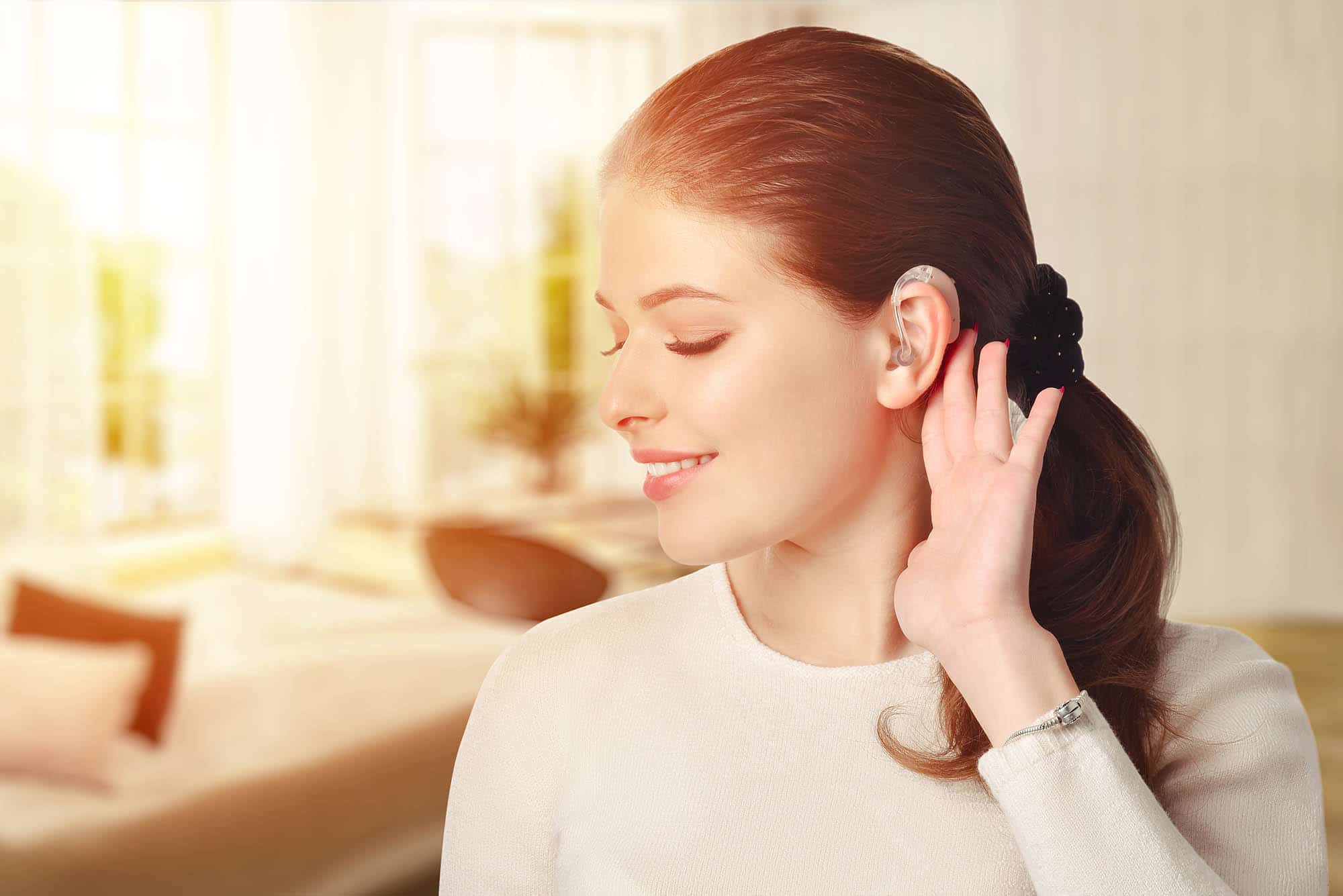
<p class="">Despite claims that 45% of the population have suffered from a health condition related to their ears in the past, a new study of 2,000 adults has revealed that one in three have never had their hearing tested. </p>
Britain may be a nation of health app obsessives and dentist-booking martyrs, but when it comes to hearing, a new study suggests we’re behaving like the ears are optional extras. Despite claims that 45% of the population have suffered from a health condition related to their ears in the past, research among 2,000 adults has revealed that one in three have never had their hearing tested.
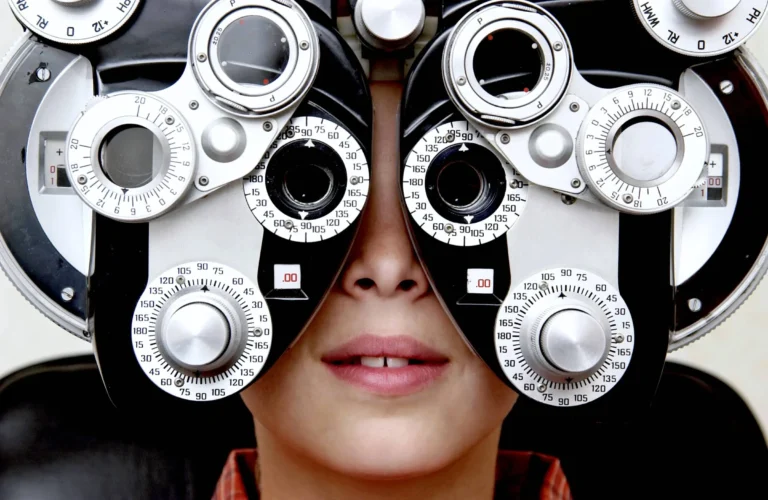
That’s not a minor oversight. Over 90% of the population will regularly have their eyesight tested, yet our ears are often left to fend for themselves—right up until the day the telly “mysteriously” gets louder and everyone else starts “mumbling.”
The study: what 2,000 adults revealed
The research, commissioned by Earex, points to a simple truth: we’re diligent with sight and teeth, but slack with ear health. Over half of those surveyed (51%) said they believed hearing was neglected compared to sight and teeth.
Even the public seems to know we’re taking liberties. The same study found that twenty-six is the average age people think we should start having regular hearing check-ups, particularly because lifestyle habits in our twenties and thirties can quietly stack the odds against us.
Why people skip hearing tests
The excuses are familiar, and depressingly human:
- Lack of concern about hearing (37%)
- A shortage of time (27%)
- Lack of knowledge about how to get hearing tested (26%)
In other words: “I’m fine,” “I’m busy,” and “I wouldn’t know where to start.” All very British. None very wise.
Headphones, habits and winter: what’s doing the damage

The study also flags everyday habits that can chip away at ear health: unhealthy eating, smoking and use of in-ear headphones all showed up as key contributing factors to diminishing ear health.
Younger adults, in particular, are living with tiny speakers jammed into their ears for hours on end. 18–24-year-olds are the biggest culprits for wearing in-ear headphones, while almost half of 25–34-year-olds admit to regularly listening to music at full volume. If your ears could file an HR complaint, they would.
Winter gets a special mention too—because cold weather can affect earwax and blocked ears, which can then impact hearing at the worst possible time of year (when you’re already tired, stressed, and trying to hear directions at a packed station).
Dr Henderson: the blunt truth about ear health and earwax
Dr Henderson, leading GP and Earex spokesperson, puts it plainly: “We take our hearing for granted but it’s only really when things go seriously wrong that we realise just how important it is to take good care of our ears.
We want to educate the British public about their ears so that they are no longer the neglected sense.
“Treating your ears with the same level of care that you’d treat your eyes and your teeth is key. Ears are ultra-sensitive, so they need to be looked after carefully. The number one cause of earache is earwax build-up which affects over one third of ear pain sufferers.
Rather than using cotton buds which can push wax further into the ear, making ear problems worse, blocked ears should be cleaned with a product such as Earex Advance Ear Drops. Ear drops such as these contain urea peroxide which releases oxygen and works alongside glycerol to break up and soften hardened wax deposits.
“At this time of year when temperatures drop it’s even more essential that we look after our hearing. Cold weather can contribute to the hardening of earwax which is naturally made by our bodies to help keep our ears clean and free of germs.
It’s during the winter months that our ears are most vulnerable to becoming blocked with the build-up of wax, which if left can become both painful and detrimental to our hearing.
Dr Henderson added: “Simply being aware of just how delicate the balance of ear health is and taking steps to minimise the factors that contribute to poor ear health can really help.
“For example, more people than ever are wearing in-ear bud headphones which can act as a stopper to prevent wax from being naturally pushed out of the ears. This can then block the ear passages and increase the number of bacteria in the inner ear by up to 700 times.
As well as ensuring the noise level of headphones isn’t too high, users should ensure they regularly take breaks from headphones to let their ears self-clean and minimise infection.
“Additionally, lots of people don’t realise the ears – much like other parts of the body are impacted directly by how we look after our general health, so things like a poor diet, excessive drinking and smoking can all have an adverse effect on our ears too.
“By understanding how our ears work and the factors that can affect them, we can hopefully ensure they get the care they deserve.”
It’s a rare public-health message that manages to be both sensible and slightly accusatory, which is exactly what most of us need.
Five top tips for keeping your ears healthy
1) Swap in-ear headphones for over-the-ear headphones
Extensive use of in-ear headphones can act as a ‘stopper’ preventing wax from naturally dispelling itself, so try opting for over-the-ear headphones instead.
2) Never put anything smaller than your elbow in your ear
As tempting as it may be, don’t use cotton buds for cleaning your inner ear as this pushes earwax further into the canal, compacting it which can cause blockages and hardened wax build-up.
3) Manage earwax buildup
If you do find you have a build-up of excessive wax try using Earex Olive Oil Ear Drops twice a day for up to 7 days. Made with a medicinal-grade olive oil the drops gently lubricate, soften and remove earwax.
Earex Advance Ear Drops are suited to people particularly prone to earwax problems, including the elderly, children, hearing aid users and water sports enthusiasts. In addition to using the drops to clear a build-up of wax, these drops can be used preventatively once a week to minimise earwax build-up. Always follow on-pack instructions.
4) Protect your ears from the sun
It’s recommended SPF should be used on our faces all year round as even during the winter we need to protect ourselves from the sun’s harmful rays, and this also goes for our ears. The ears are a sensitive area of the body and are often overlooked despite them being prone to skin cancer just like the face.
5) Treat your ears with respect – get them checked!
Just as you would book yourself in to get your eyes tested and teeth checked, book yourself in for a hearing test with an audiologist every 2-3 years. It is important to make sure that you look after this sense just as you would for all the others. Often those suffering with hearing loss don’t actually realise as they become accustomed to it over time.
The bottom line
If you can find time to book the dentist, replace a cracked phone screen, or read reviews for a toaster you’ll hate in six months, you can book a hearing test.
Your future self—older, wiser, and trying to follow a conversation in a crowded pub—will be grateful you bothered.