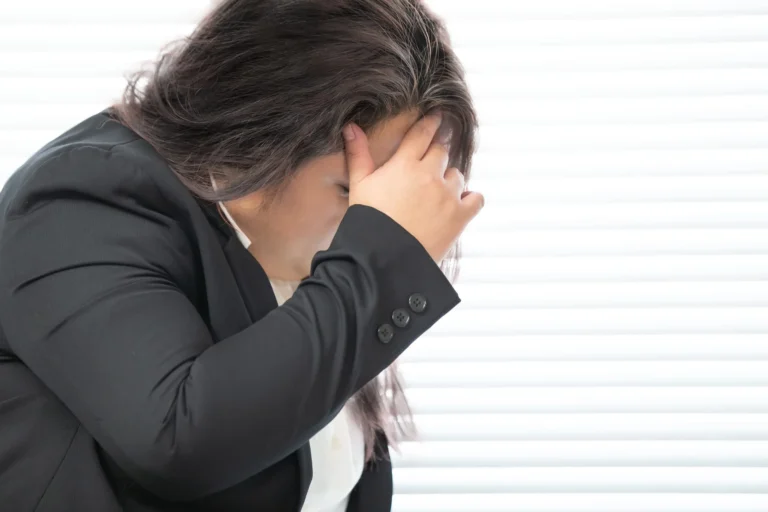
Let’s talk about periods at work—the thing that keeps turning up every month like an uninvited relative, except this one brings cramps, fatigue, brain fog and the expectation that you’ll still smile nicely in the 10:00 meeting. For millions of women, it’s not a niche issue or a “personal” matter. It’s a recurring workplace reality—often handled with silence, side-eyes, and the ancient corporate tradition of pretending bodies don’t exist.
Back in 2018, there were 15.3 million women aged over 16 in employment, with the total female employment rate being 71.4% — the highest ever figure since 1971, when records began. That’s a lot of desks, shop floors, wards, classrooms and Zoom calls. And across them, plenty of women managing PMS and period symptoms while trying not to look like they’ve been hit by a bus made of spreadsheets.
So here’s the question employers can’t dodge forever: could workplaces be more accommodating to the monthly cycle—and if so, how?
The office code of silence

The problem isn’t that periods exist. The problem is how we behave when they do.
In many workplaces, the old reflex still kicks in: if ‘the time of the month’ arrives, some women feel they must keep quiet or risk being dismissed as overreacting. That professional silencing of periods is tied to outdated attitudes that label women as ‘weak’ and ‘irrational’ when hormones enter the chat. It’s the sort of thinking that starts early—girls learning to whisper about menstruation at school—and it doesn’t magically disappear when someone gets a staff badge and an inbox.
Women have been pushing workplace equality into action for decades. As the times have changed, the breadth of issues has only grown—and periods have become one of the most obvious “everyone knows, nobody says” concerns in modern working life.
And the stigma is measurable. A recent survey found one one-third of men think talking about periods in the workplace is unprofessional. Even more telling: periods are treated as embarrassing enough that some women would rather admit to a mistake at work than talk about their period in front of male coworkers.
A YouGov survey dug further into this and found only 27% of women whose performance was affected by period pains had ever admitted to their employer that this was the case, and a further 33% said they’d made up an excuse in the past. The result is bleakly predictable: grin and bear it, burn sick days, or suffer in silence—while the workplace nods along like this is all perfectly normal. It isn’t.
When “health and safety” becomes the problem
If anyone thinks this is just about awkward conversations, consider what happened to Mandy Davies.
In 2018, after suffering extreme menopause symptoms—heavy bleeding that had caused anaemia—Davies took her medication to work. When the container of the diluted mixture was misplaced, she panicked after noticing two men drinking water nearby. She feared her medication might have ended up in the jug they were drinking from.
Davies raised her concern and was met with an in-depth investigation from her company’s health and safety department. The conclusion: dismissal for gross misconduct. Her medication hadn’t been in the water at all. After a court dispute, she was awarded £19,000 in total for lost pay and injury to feelings.
Yes, the symptoms in that case were menopause-related—but the overlap matters. Heavy bleeding, dizziness, brain fog: these can be part of periods too. When those symptoms hit, work doesn’t politely pause. The standard expectation is to carry on, power through, deliver, perform.
The case referred to The Equality Act 2010, which covers nine characteristics—and while period-related problems are not named, severe impacts can prevent women from carrying out day-to-day tasks, which is recognised as an element of disability in law. Translation for employers: if symptoms are serious, you can’t treat this like a joke, a weakness, or a private inconvenience.
The hidden cost: presenteeism and lost days
Workplace culture is always “evolving,” at least according to LinkedIn posts and management away-days. In reality, HR departments are facing a rising tide of wellbeing issues—and period-related concerns are increasingly part of employee welfare.
More than one in ten women have reported receiving negative comments directed at them in relation to menstruating. These micro-aggressions don’t just sting; they change behaviour. They drive presenteeism—people turning up when they’re not fit to work, because the alternative is stigma, disbelief, or being labelled unreliable.
One study revealed that 80.7% of respondents said they lost an average of 23.2 days per year to presenteeism and reduced productivity linked to being on their period. If you’re an employer reading that and thinking, “Surely not,” consider the mechanism: pain, fatigue, disrupted sleep, heavy bleeding, anxiety about leaks, concentration dips—and zero permission to be human.
This is how periods become a business issue, not just a personal one.
What employers can do—without turning the office into a confessional
There are practical fixes, and they do not require grand gestures or gimmicks.
Emma Barnett, author of Period, It’s About Bloody Time argued that while menstrual leave might not be feasible for larger companies, making period pain a valid reason for taking sick leave should become a reality. She also points to flexible working as a common-sense option—letting employees manage symptoms without pretending they’re “fine.” And she raised the need for more honesty through a formal workplace ‘menstrual policy’, giving women clearer workplace rights when it comes to periods.
That phrase—‘menstrual policy’—is the difference between goodwill and consistency. It turns “ask your manager” into “here’s how we handle this.” It also protects managers, who often want to help but don’t know what’s appropriate or allowed.
What should that look like in real terms?
A sensible “period-friendly” baseline
- Explicit sick leave acceptance for period pain where symptoms are debilitating (handled like any other health issue).
- Flexible working options: remote days, adjusted start times, the ability to step away when symptoms spike.
- Quiet spaces where possible (even a small wellbeing room) for dizziness, cramps, or migraine symptoms.
- Free supplies in toilets: pads/tampons, disposal bins, and clear signage—no drama, no fanfare.
- Manager training: how to respond neutrally, confidentially, and without minimising language.
- Zero tolerance on “banter”: negative comments and snide jokes are a policy issue, not a personality quirk.
The cautionary tale: badges, backlash, and getting it wrong
In Japan, a department store recently tried a very visible solution: assigning ‘period badges’ to female staff to wear while they are menstruating. The idea used a pink cartoon character—Seiri Chan—whose name translates to ‘Miss Period’, aimed at tackling stigma through openness.
It did not go smoothly. The move faced backlash, with claims of harassment. And it’s easy to see why: visibility without consent turns “support” into surveillance.
It’s highly unlikely a step like that would be welcomed in UK workplaces, and frankly it shouldn’t be the template. The goal is support and dignity, not broadcasting private health information to colleagues and customers.
The bottom line
There is room—plenty of it—for workplaces to become more period-friendly. Not with gimmicks, not with forced visibility, and not by making women feel like they’re requesting special treatment.
Start with policies, build in flexibility, treat symptoms like legitimate health issues, and cut the stigma off at the knees. Because periods don’t disappear when someone clocks in—and employers pretending otherwise is a tradition that deserves to be retired.